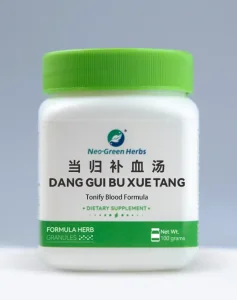
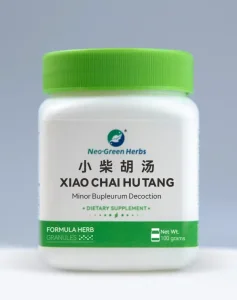
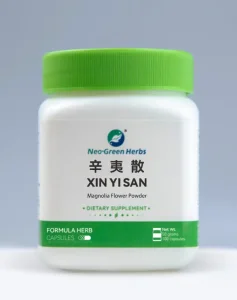
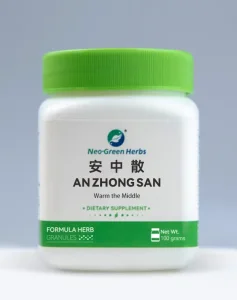
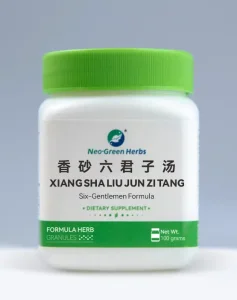
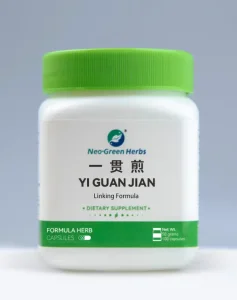
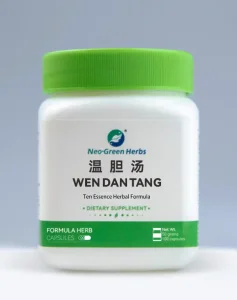
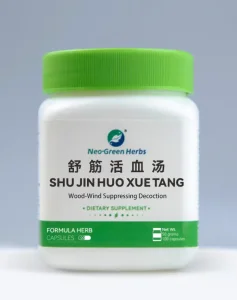
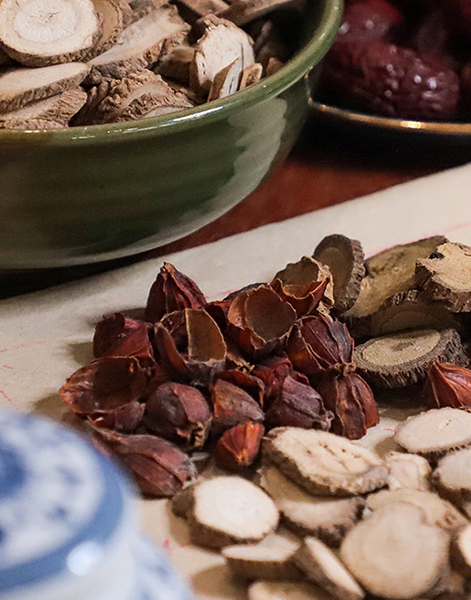
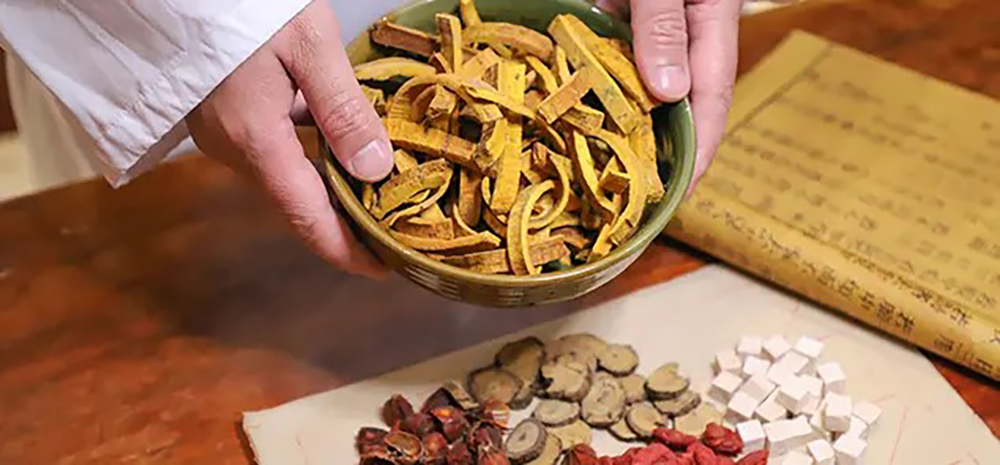
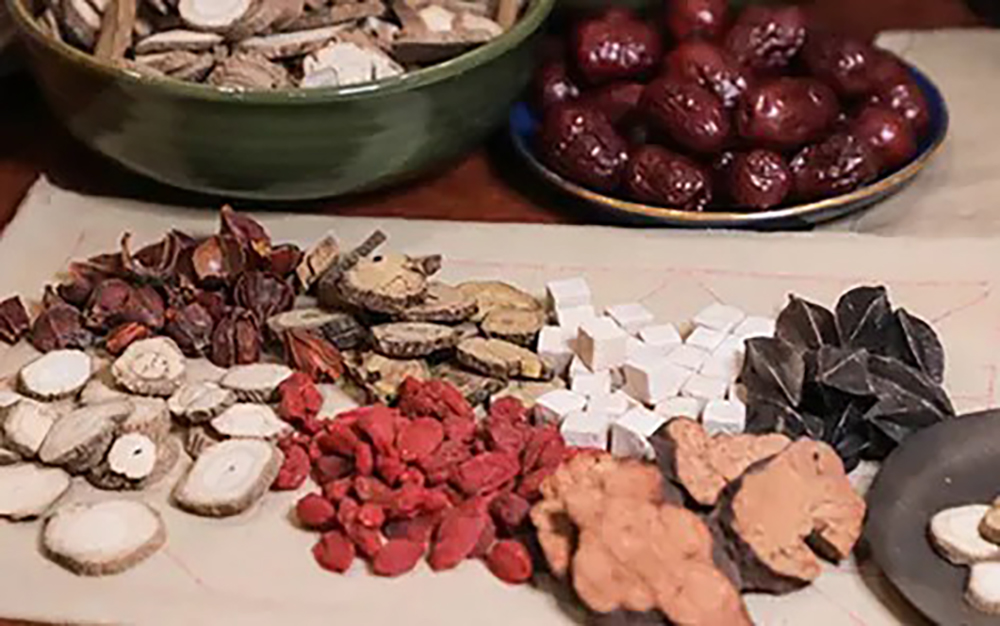
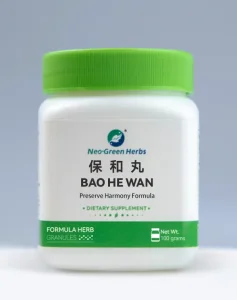
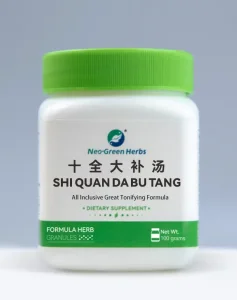
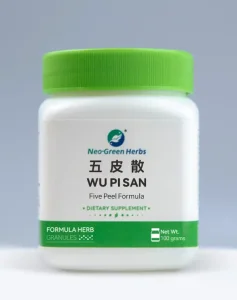
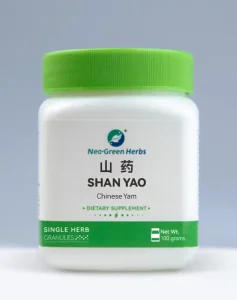
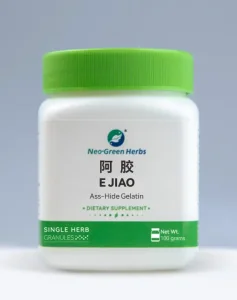
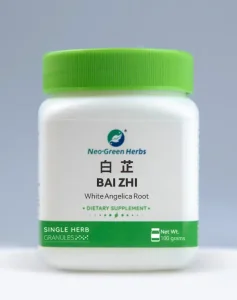
Explore eight selected products from the Neo-Green Herbs range. These entries preserve the original product names, images, and product URLs, giving B2B buyers a direct path from category discovery to specification review.
Neo-Green Herbs INC, the US subsidiary of Sichuan Neo-Green Pharmaceutical Technology Development Co., Ltd. was founded in 2023, and has been adhering to the developing concept of the parent company, NGP, which has always stood strong in the face of inheriting and popularizing the millennial-long TCM culture with modern techniques...
We have served many regions around the world, including traditional Chinese medicine clinics, herbal extract wholesalers, medical institutions, and clinics. “We are committed to empowering global pharmacies through an efficient B2B supply chain to safeguard health.”
The operating model combines parent-company manufacturing depth, a U.S.-based subsidiary for market communication, and a product architecture built around TCM granules, classical formula granules, single-herb granules, and herbal capsules. For international buyers, this means product discovery can be paired with documentation coordination, specification review, and practical discussion of local market requirements.
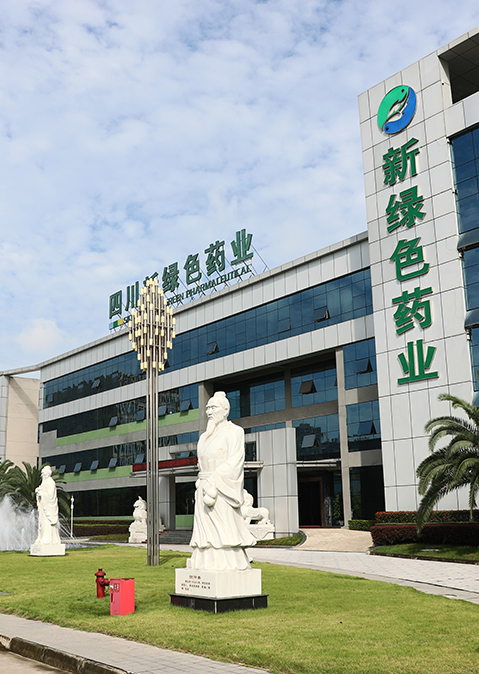
Ancient formulas remain relevant because they encode centuries of practical, pattern-based use. For the modern B2B buyer, however, tradition must be matched by reproducibility, documentation, and supply reliability.
TCM granules convert classical decoctions and single herbs into concentrated, lot-controlled formats that support clinic workflows, inventory planning, and quality review. The value is not only convenience; it is the ability to connect raw herb identity, extraction, drying, granulation, packaging, and final documentation into a defensible chain of custody.
Professional buyers should evaluate identity, purity, potency markers where applicable, uniformity, moisture control, microbial limits, heavy metals, pesticide residues, and batch-to-batch consistency. A credible TCM granules supplier must make these controls understandable to clinics, distributors, and institutional procurement teams.
Regulatory expectations differ across the United States, Europe, Asia-Pacific, the Middle East, and Latin America. Neo-Green Herbs therefore positions documentation and localization as part of the product, not an afterthought. Final market classification, labeling, and claims remain subject to destination-market review.
Information-gain principle: the strongest supplier relationships are built around specification clarity, traceable source materials, change-control discipline, and transparent communication about what a product is—and what it is not.
A manufacturer and supplier of ancient Chinese medicine herbs must solve for very different buyers. The common thread is a need for reliable formulas, practical formats, and documentation that survives internal review.
Granules reduce storage space, simplify dispensing, and support formula flexibility. Clinics can maintain a focused library of single herbs and classical formulas while improving inventory visibility. Support materials should help staff understand naming conventions, lot records, and storage conditions.
Distributors need SKU breadth, predictable specifications, and responsive batch documentation. A B2B supply partner should be able to discuss packaging formats, market-specific labels, minimum order planning, and the practical difference between single-herb granules and classical formula granules.
Institutional buyers often require a higher level of procurement documentation, staff training, and quality agreement clarity. Reproducible formula preparation, audit trails, and consistent naming are central to building confidence across pharmacy, clinical, and administrative stakeholders.
For private-label and contract-manufacturing projects, early alignment on formulation, packaging, claims boundaries, documentation, and change control reduces downstream risk. A structured technical brief is more valuable than a price-only comparison.
Teaching clinics, simulation centers, and research groups need reference samples with clear identity and consistent documentation. Product specification sheets and lot-level traceability can support education without replacing local academic or clinical oversight.
Patient-facing channels increasingly expect accurate product names, storage instructions, and localized labeling. A traceability-first supply model helps fulfillment teams connect an order, a formula, and a batch record while keeping claims aligned with local regulatory pathways.
The global herbal products sector is expanding amid aging populations, preventive-health interest, professional education, and the growth of integrative care. Maturity is uneven. In some markets, TCM granules are used within regulated professional practice; in others, they sit within dietary supplement, traditional herbal, or food categories. Buyers must therefore treat regulatory classification as a first-order sourcing variable, not a late-stage administrative task.
China’s standardized TCM granule sector offers one of the most industrialized models. According to the company profile, the parent company NGP is one of the six pilot manufacturers approved by China for the formulation and production of TCM granules, and the only TCM granule enterprise in southwestern China. With 5,000+ employees, 300+ planting bases, 200+ patent applications, and service to 15+ countries and regions, the group connects agricultural sourcing, manufacturing, and commercialization. The U.S. subsidiary, Neo-Green Herbs INC, founded in 2023, adds bilingual coordination and local market responsiveness for international customers.
Standardized extraction, drying, granulation, and packaging can improve uniformity and handling efficiency compared with raw herb logistics. The industrial advantage is strongest when source identity and process controls are visible to the buyer.
Professional purchasers increasingly ask for specifications, COAs, batch traceability, and clear change-control pathways. Price per kilogram remains relevant, but total cost of quality and risk management is rising.
Ingredient names, labeling language, import documentation, and claims can vary by destination. A supplier with export experience can support coordination while the buyer retains responsibility for local legal and regulatory review.
Adoption depends on more than supply. Clinics, distributors, and retail teams need product knowledge, storage guidance, and clear naming conventions so that ancient formula concepts can be handled accurately in modern workflows.
For a TCM granules manufacturer and supplier, compliance support is a communication discipline. Neo-Green Herbs supports B2B customers with product information and documentation coordination while respecting that final legal classification and market authorization remain destination-specific.
Product specifications, certificates of analysis, and batch-related records can be coordinated for buyer review. Documentation should be read alongside destination-market requirements and the buyer’s own quality agreement.
Local rules may classify herbal granules and capsules differently. Customers should confirm permitted ingredients, claims, labeling, import pathways, and professional-use restrictions with local regulatory counsel before commercialization.
Market-specific labels require accurate ingredient names, net contents, storage statements, warnings, and responsible-party information. Claims should be conservative and aligned with the product’s legal status in the target market.
Lot traceability, supplier qualification, and controlled changes help protect brand owners and clinics. When a specification or source changes, a documented review process supports continuity and reduces surprise.
For distributors and contract projects, quality agreements can define responsibilities for storage, complaint intake, deviation handling, recall coordination, and documentation retention. Clear agreements are a hallmark of professional B2B supply.
The U.S. subsidiary improves time-zone alignment for North American buyers and supports bilingual communication between local teams and parent-company technical functions. Escalation pathways should be agreed before the first purchase order.
A practical localization strategy starts with the workflow in which the product will be used. The examples below are commercial planning scenarios, not medical advice. Product use, claims, and professional requirements must be evaluated under local law and by qualified professionals.
Space-efficient granule libraries and classical formula granules can support day-to-day dispensary organization. Success depends on accurate naming, storage discipline, clear lot records, and staff familiarity with the supplier’s documentation format.
Integrative settings often need standardized ingredient names and consistent specification sheets. Procurement teams benefit from a supplier that can separate product information from promotional language and respond to documentation requests efficiently.
Retail and pharmacy channels require local labeling, storage guidance, and responsible category management. Single-herb granules and capsule formats may fit different shelf and service models, so packaging and market claims should be planned together.
Distributors can build a portfolio around high-demand classical formulas, single herbs, and local packaging preferences. A clear SKU roadmap, documentation checklist, and replenishment plan reduce friction between sales, quality, and warehouse teams.
Reference granules, formula cards, and batch documentation can support education about identification, handling, and quality review. Institutions should pair supplier materials with their own academic protocols and oversight.
Modern fulfillment workflows need order traceability from formula selection to batch record. Localized labeling, inventory synchronization, and complaint-response pathways become increasingly important when fulfillment is decentralized.
The next stage of TCM granules manufacturing is likely to be shaped by the same forces affecting advanced pharmaceutical supply chains: digital batch genealogy, process analytics, supplier transparency, sustainable cultivation, and localized service. Neo-Green Herbs approaches this roadmap as an evolution of quality culture rather than a replacement for traditional formula knowledge.
Strengthen supplier qualification, planting-base documentation, lot linkage, and rapid retrieval of product specifications for global B2B buyers.
Support clinic and distributor workflows with better SKU clarity, packaging logic, and data structures that can connect to modern dispensing or inventory systems.
Use trend analysis and process monitoring to detect variability earlier and make change control more proactive, with documentation suitable for buyer review.
Expand the circular-economy approach across cultivation, extraction, and by-product use while preparing for climate, labor, and biodiversity risks in key herb categories.
Future-facing capabilities should remain practical: the goal is not technology for its own sake, but a supply chain in which a clinic, distributor, or brand owner can verify what was purchased, understand how it should be handled, and respond quickly when a quality question arises.
Our Quality Assurance team employs advanced testing equipment and methodologies to monitor all stages of production, guaranteeing the authenticity, potency, purity, and consistency of our herbal medicines. Furthermore, we continuously invest in research and development to innovate while preserving the integrity of ancient TCM practices.



Capability across research, history, production strength, territory, marketing, service, responsibility, circular-economy thinking, and operations.
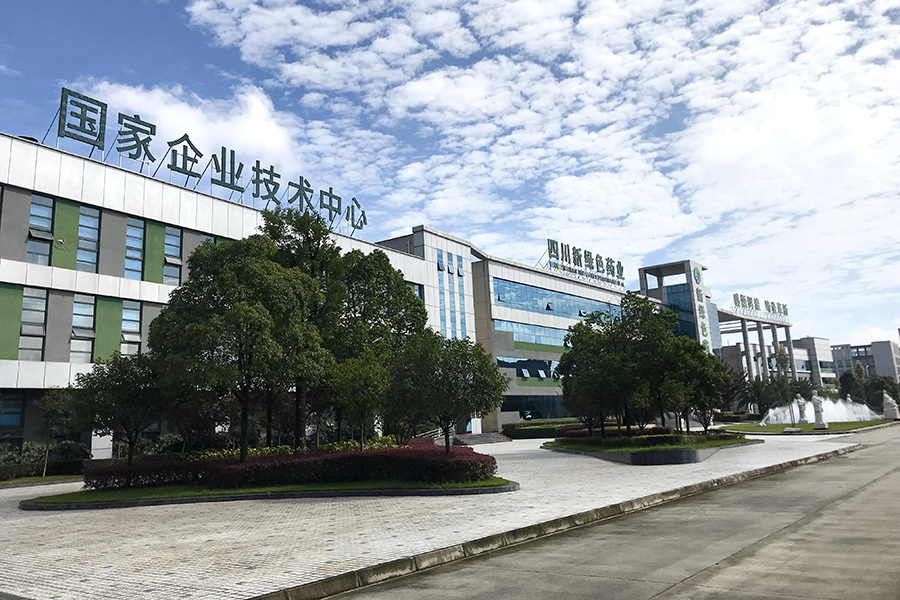
Founded in 2009, Sichuan Neo-Green Pharmaceutical Technology Development Co., Ltd (NGP) is a comprehensive TCM enterprise integrating research and development, production and operation, especially in the field of TCM granules, which enjoys a high reputation. As a “National Enterprise Technology Center”, “High-tech Enterprise” and “National Key Leading Enterprise in Agricultural Industrialization”, NGP is not only one of the six pilot manufacturers approved by China for the formulation and production of TCM granules, but also the only TCM granule enterprise in the southwestern region of China.
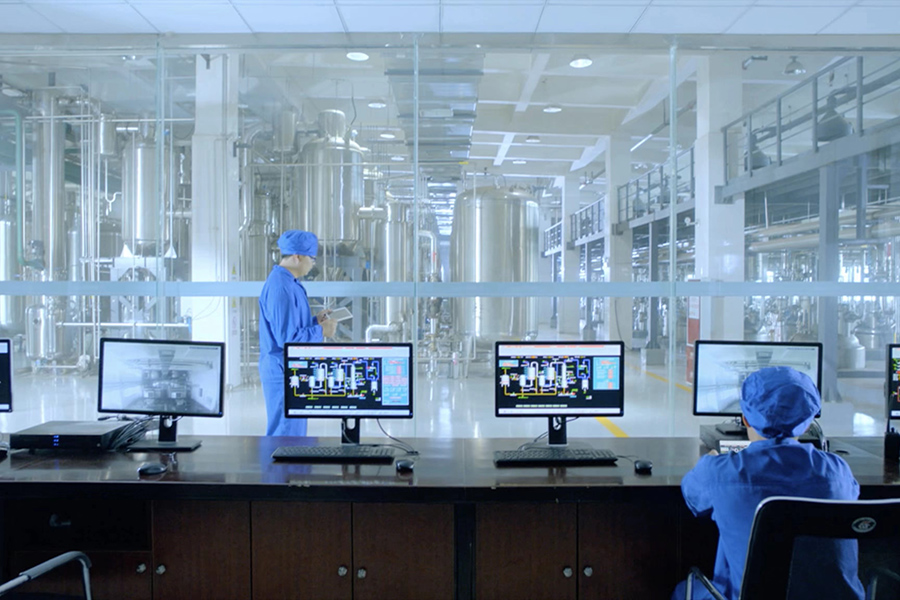
NGP is a large-scale enterprise with more than 5,000 employees and total assets of more than 30 billion RMB. In recent years, NGP has actively responded to the call of the nation, the layout of the national investment strategy, intends to invest in the construction of more than 300 production bases in the country, of which Jiangxi, Yunnan, Chongqing and other places of the project has already begun, with a total investment of up to several tens of billions of dollars, for the company's long-term development has laid a solid foundation.

Integrated TCM research, production, and operations form the practical base for consistent herbal granules and formula products.
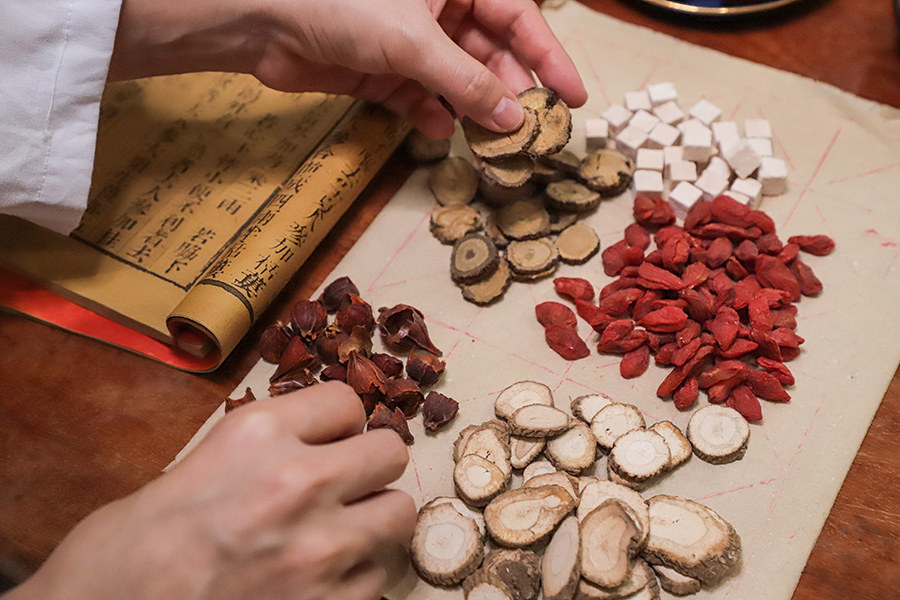
NGP specializes in the field of bio-pharmaceuticals, especially the inheritance and innovation of traditional Chinese medicine culture. Its main products include TCM granules, TCM decoctions, a variety of Chinese medicine dosage forms and TCM wellness products, etc.
In terms of marketing, NGP has built a nationwide sales network, and its core product, TCM granules, not only occupies an important position in the domestic market, but is also exported to overseas, and its brand influence is constantly improving. At the same time, the company actively utilizes e-commerce platforms, social media and other new media means to expand online sales channels and increase brand awareness and market share.
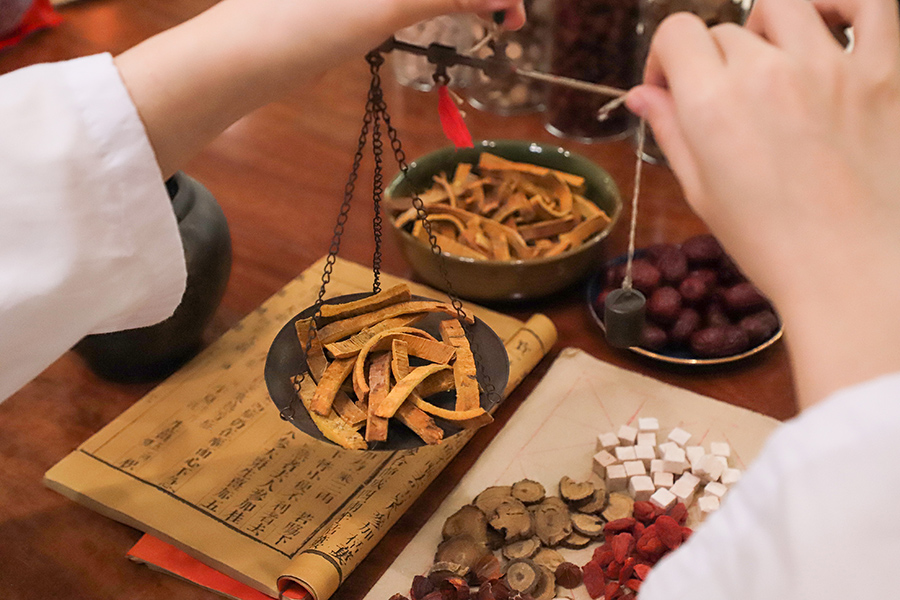
In terms of service, NGP always adheres to the service concept of “people-oriented, service first”, and is committed to providing customers with high-quality products and services. The company has established a perfect quality management system and after-sales service system to ensure product quality and customer satisfaction.
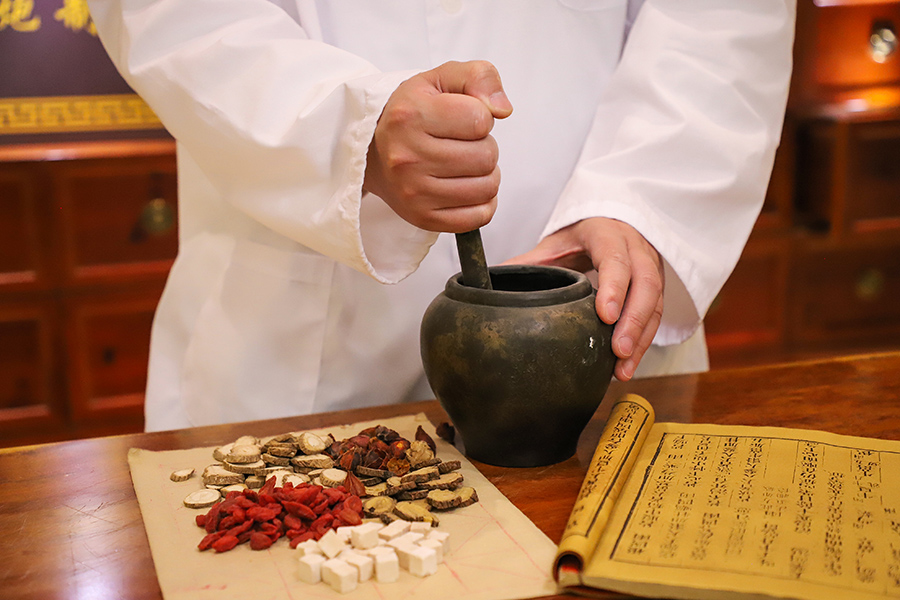
Meanwhile, the company also actively fulfills its social responsibility, participates in public welfare undertakings, and contributes to the harmony and development of the society.
It is worth mentioning that NGP has also created the concept of “New Circular Economy of Traditional Chinese Medicine”, implemented the whole industrial chain mode from planting, breeding, fertilizer integration, traditional Chinese medicine extraction to the environmental protection use of dregs of the medicine, and perfectly combined the primary, secondary and tertiary industries, realizing the goal of harmonious coexistence of man and nature and sustainable development, and demonstrating the social responsibility and environmental protection concepts of the enterprise.
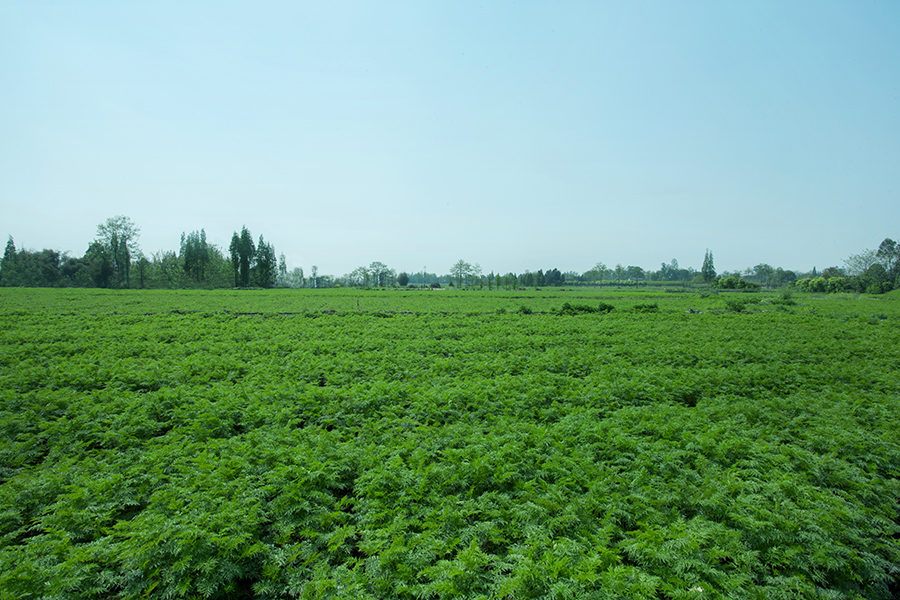
Nowadays, NGP has become a leader in the bio-pharmaceutical industry by virtue of its unique industry position, strong enterprise scale, rich product lines, extensive marketing network, high-quality services and innovative development concepts.
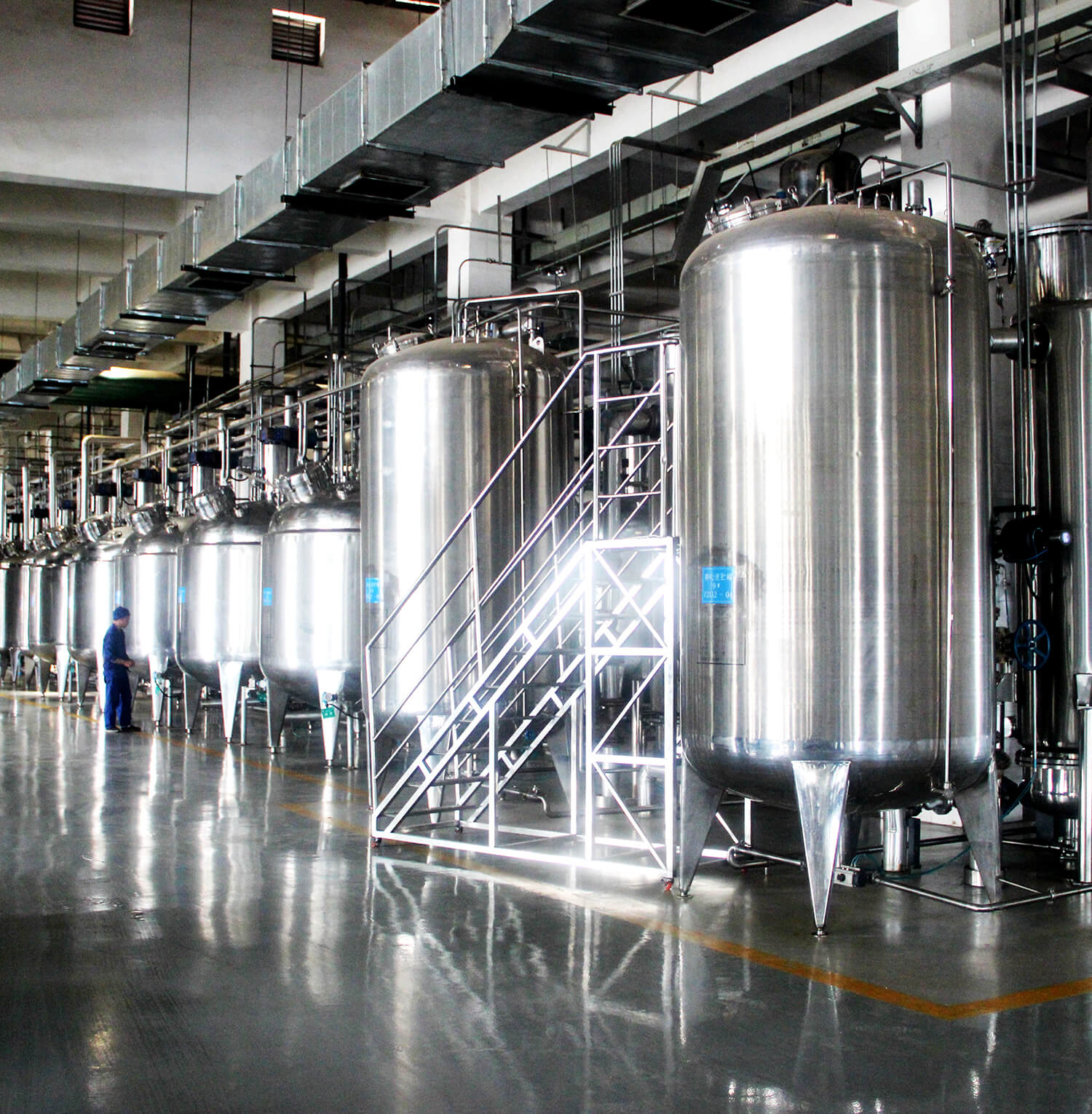



Professional workshops according to GAP, exclusive processes, and strict quality control standards ensure high quality.

Every product comes from verified and certified channels, ensuring complete compliance and safety, and being responsible for your clinic and patients.

Our parent company, NGP, started the research and development of Smart TCM Pharmacy in 2002, after more than 20 years.

Our strict quality control and industry certification provide you with a guarantee, allowing your clinic to purchase with confidence.
We will gather more enterprise advantage to provide innovative products with high quality and excellent service, to keep our long-term friendship. Provide comprehensive and high-quality pharmaceutical supply chain solutions for traditional Chinese medicine practitioners and clinics worldwide.
Contact us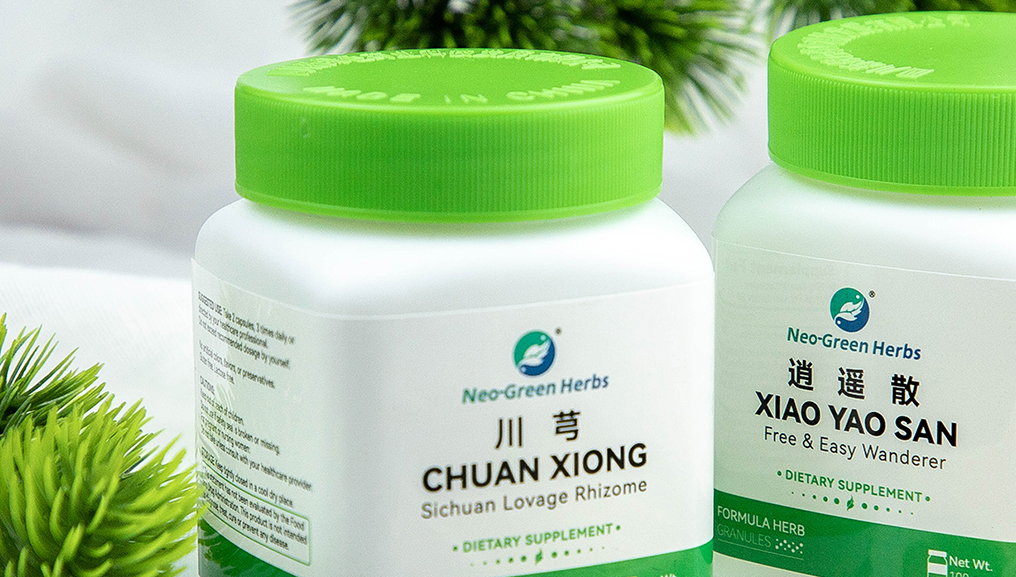
These answers are written for procurement, clinic operations, distribution, and brand teams evaluating a TCM granules manufacturer and supplier. They are not a substitute for local regulatory, medical, or legal advice.
TCM granules are generally produced by processing herbal materials into a concentrated granule format, while raw herbs are supplied in dried plant form for traditional decoction or further processing. For buyers, granules can improve handling efficiency and formula consistency, but the specification, processing method, and documentation should be reviewed product by product.
A supplier may offer both single-herb granules and classical formula granules, as shown across the Neo-Green Herbs product range. Buyers should confirm naming conventions, ingredient composition, packaging, and batch documentation before building a clinic or distribution SKU list.
Depending on the product and destination, buyers may request product specifications, certificates of analysis, ingredient information, storage guidance, and batch-related records. Documentation should be reviewed against the buyer’s quality agreement and the local regulatory framework.
Neo-Green Herbs provides B2B supply and documentation coordination. It does not replace the buyer’s responsibility to confirm product classification, import permission, labeling, claims, and professional-use requirements in the destination market. Local legal and regulatory review is essential.
Clinics should ask for specifications, COAs, and change-control explanations, then compare key quality attributes across lots. Storage, dispensing practice, and staff training also affect the practical handling of granules, so quality review should include both supplier data and internal procedures.
Packaging and private-label requirements should be discussed during the commercial planning stage. Early alignment on label content, claims boundaries, minimum quantities, documentation, and change control helps avoid rework and supports a smoother launch.
According to the company profile, NGP is one of the six pilot manufacturers approved by China for the formulation and production of TCM granules. For buyers, this is useful context for manufacturing experience and industrial scale, but it does not automatically authorize sale or use in another country.
Provide the target market, product list, expected volume, packaging preference, required documentation, and intended use. A structured brief allows the supplier to respond with more relevant specifications and to identify documentation or localization questions early.
The remaining selected products complete the 16-item product display. Original product images, names, and product URLs are preserved for direct B2B review.
 Neo-Green Herbs