Traditional Chinese Medicine (TCM) is a holistic practice with deep roots in history. Dr. Zhang Wei, a renowned TCM expert, states, "TCM offers a unique perspective on health and balance." This ancient system focuses on the body's energy, known as Qi, and its harmony. Practitioners believe that a balanced Qi leads to optimal health.
Many people seek relief from chronic pain, stress, and various ailments through TCM methods. Treatments such as acupuncture, herbal medicine, and tai chi promote healing. These practices often require a tailored approach. Each individual has unique needs, and TCM recognizes that. It aims for a deeper understanding of an individual’s overall well-being.
There are critiques of TCM, especially regarding scientific validation. Some skepticism exists around herbal medicine's safety and efficacy. However, the growing body of research and personal testimonials shows potential benefits. Engaging in TCM can be a reflective journey into personal health. Understanding its principles may lead to greater wellness and balance in life.
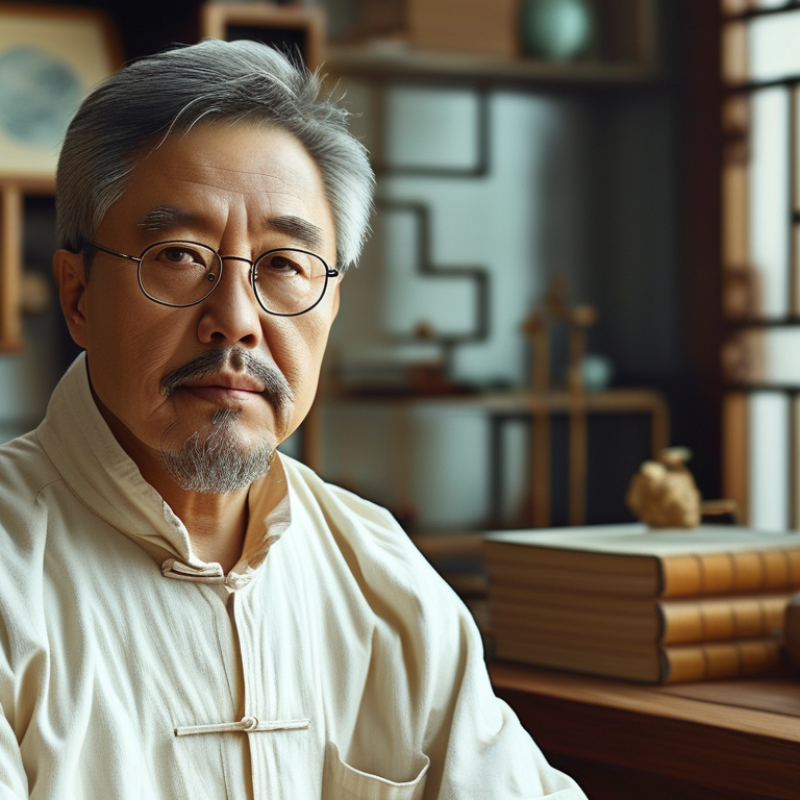
Overview of Traditional Chinese Medicine: History and Philosophy
Traditional Chinese Medicine (TCM) has a rich history spanning over two thousand years. Its foundations lie in ancient Chinese philosophy, particularly the concepts of Yin and Yang, and the Five Elements. These principles dictate that balance in the body leads to health. Conversely, any imbalance can result in illness. TCM focuses on the whole person, considering physical, emotional, and environmental factors.
Diagnosis in TCM often involves observation and palpation. Practitioners look at the tongue and feel the pulse to gather essential data. Each person is unique, and treatment is tailored to individual needs. Techniques like acupuncture, herbal medicine, and Qi Gong are used to restore harmony. However, accessibility to trained practitioners remains a challenge in many regions.
Despite its long-standing history, TCM is not without criticism. Scientific validation is often questioned. Some methods may lack rigorous testing. This raises concerns about safety and efficacy. Yet, many testify to its benefits. People report relief from chronic pain and mental stress. This ongoing dialogue about TCM highlights the need for thoughtful integration of traditional and modern medical practices.
Key Principles of Traditional Chinese Medicine: Yin-Yang and Qi
Traditional Chinese Medicine (TCM) relies heavily on the principles of
Yin-Yang and Qi. These concepts form the core of its philosophy.
Yin and Yang represent opposite forces that need harmony.
Yin symbolizes rest and nourishment, while Yang embodies activity and energy.
For a balanced life, both elements must coexist.
Qi, often translated as "life force," flows through pathways called meridians.
It is essential for health and vitality. Blockages or imbalances in Qi can lead to illness.
TCM practitioners use therapies like acupuncture, herbal medicine, and dietary adjustments to restore this flow.
Patients often describe feeling improved energy and mental clarity after treatment. However, not everyone responds the same way.
Some may feel a slight discomfort during therapy. It’s important to communicate these experiences with practitioners.
Listening to your body is crucial in finding a balance.
TCM invites a personal journey towards health, encouraging individuals to reflect on their well-being.
Common Practices in Traditional Chinese Medicine: Acupuncture and Herbal Remedies
Traditional Chinese Medicine (TCM) has gained popularity for its holistic approach to health. Acupuncture is one of the most recognized practices. It involves inserting thin needles into specific points on the body. Many people report relief from pain and reduced stress after treatment. The practice is based on balancing the body’s energy, or "Qi". This ancient technique has roots that date back thousands of years.
Herbal remedies are another cornerstone of TCM. Different herbs are selected based on individual needs. These remedies can support various health issues, such as digestion or fatigue. Herbs are often combined in complex formulations. They may take time to show effects, which can be frustrating. Patients may question their effectiveness, leading to moments of doubt. However, many find their approach comforting and effective in the long run.
Both acupuncture and herbal remedies require careful consideration. Not everyone responds the same way. Consulting with a knowledgeable practitioner ensures tailored treatment. A deeper understanding of your own body is essential. This often leads to reflection on health and well-being.
Benefits of Traditional Chinese Medicine for Modern Health Issues
Traditional Chinese Medicine (TCM) offers unique benefits for modern health issues. Its holistic approach emphasizes balance between body, mind, and spirit. Today, many seek TCM for various conditions like stress, chronic pain, and digestive disorders. This ancient system provides treatments such as acupuncture, herbal remedies, and tai chi, all aiming to harmonize the body's energies.
For those dealing with stress, acupuncture has shown promising results. It targets specific points to release tension. Many clients report a sense of calm after sessions. Herbal formulations can support immune function and digestion. However, individual reactions to herbs vary. Consulting with a qualified practitioner can provide guidance tailored to your needs.
Tips: Consider incorporating mindfulness practices like tai chi into your routine. This gentle exercise not only improves balance but also promotes mental clarity. Listening to your body’s signals is crucial. Not every treatment will work for everyone, so it’s essential to stay open and patient during the process. Embracing TCM may lead to surprising benefits, but ongoing reflection is vital in this journey toward better health.
Benefits of Traditional Chinese Medicine for Modern Health Issues
How to Incorporate Traditional Chinese Medicine into Your Wellness Routine
Incorporating Traditional Chinese Medicine (TCM) into your wellness routine can be a game changer. Begin by exploring practices like acupuncture, which involves inserting thin needles into specific points on the body. This technique promotes balance and may alleviate chronic pain. Many report feeling relaxed and invigorated after sessions. It's an experience worth trying, even if it feels intimidating at first.
Another valuable aspect of TCM is herbal therapy. Certain herbs can support immunity, digestion, and stress relief. Researching these herbs can be overwhelming. However, consulting a qualified practitioner can provide tailored advice. Keep in mind that individual responses may vary. What works for someone else might not for you. Hence, keeping a journal of your experiences is beneficial.
Integrating TCM practices doesn't need to be an overhaul of your routine. Simple adjustments can yield significant benefits. Consider adding mindfulness meditation or Tai Chi to your daily life. These practices enhance mental clarity and physical health. As you explore TCM, remain open to the process. Each step enriches your understanding, leading to greater overall wellness.
FAQS
: TCM is based on ancient philosophies, particularly Yin and Yang and the Five Elements.
Practitioners use observation and palpation. They check the tongue and feel the pulse for information.
Techniques include acupuncture, herbal medicine, and Qi Gong. These aim to restore balance in the body.
Accessibility to trained practitioners can be limited. It's essential to seek qualified professionals for best results.
Some methods lack scientific validation. Safety and efficacy are often questioned. Yet, many report positive experiences.
Begin with practices like acupuncture or herbal therapy. Start small and adjust your routine gradually.
Yes, individual responses vary. It's crucial to consult a practitioner before trying new herbs.
Mindfulness, like meditation and Tai Chi, enhances mental clarity. These practices complement TCM wellness approaches.
No, small adjustments can lead to significant benefits. Gradual changes are often more manageable and effective.
Yes, maintaining a journal helps you understand what works for you. Individual experiences can differ greatly.
Conclusion
Traditional Chinese Medicine (TCM) is a holistic approach to health that has evolved over thousands of years, rooted in the philosophy that the body is a microcosm of the universe, governed by the interplay of Yin-Yang and the vital life force known as Qi. Central to TCM are practices such as acupuncture and the use of herbal remedies, which aim to restore balance and promote overall well-being.
Incorporating Traditional Chinese Medicine into your wellness routine can offer numerous benefits, especially in addressing modern health issues such as stress, chronic pain, and digestive problems. By integrating TCM principles, individuals can achieve a more balanced and harmonious state of health, emphasizing the importance of prevention and self-care in their everyday lives.

 Neo-Green Herbs