In the realm of global trade, the demand for Single Herbs from China is rising. These herbs are revered for their diverse applications. They serve not only culinary purposes but also traditional medicine. The rich heritage of Chinese herbal practices adds to their allure.
Single Herbs often embody the essence of their local origins. Their unique flavors and medicinal properties reflect the regions they come from. Buyers should be aware of the nuances in quality and sourcing. This complexity can lead to challenges in selection. Understanding these factors is crucial for informed decisions.
As global buyers explore the market, it’s important to approach with caution. Not every supplier guarantees consistency in quality. Research and partnerships with reputable sources are essential for success. The journey into the world of Single Herbs reveals both potential and pitfalls. Striking a balance between exploration and reliability will enhance the experience.
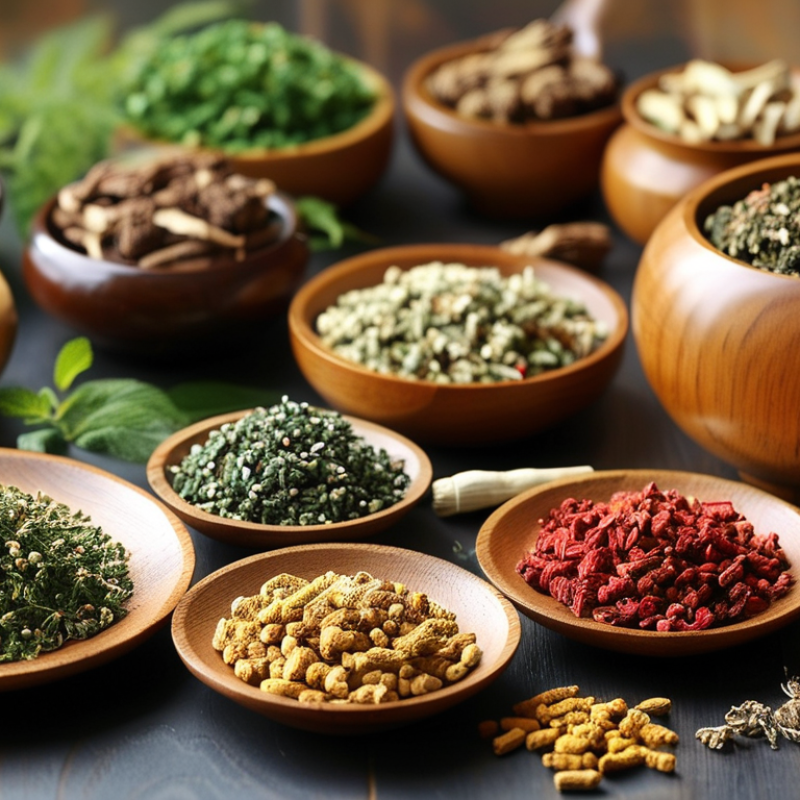
China boasts a rich diversity of herbs that hold value for global buyers. Renowned for their unique properties, these herbs have been utilized in traditional medicine for centuries. Ginseng, for example, is famed for its energy-boosting qualities. This herb demonstrates the depth of knowledge embedded in Chinese herbal practices. Yet, not everyone understands its proper applications.
Another prominent herb is goji berry, celebrated for its antioxidant benefits. The bright red berries are often added to teas and dishes. Many people still overlook their nutritional potential. While the herb is growing in popularity, some buyers question its sourcing and sustainability. It raises concerns about overharvesting and environmental impact.
Buyers entering the Chinese herbal market should consider the importance of quality assurance. Certifications and transparency are essential for reliable sourcing. Engaging with local suppliers can provide deeper insights into the herbal landscape. Nevertheless, navigating this market demands diligence and awareness of cultural nuances. Potential buyers might find themselves perplexed by the variety of choices available, showcasing both opportunity and challenge.
Chinese herbs have a long history rooted in traditional medicine. They are prized for their unique qualities and health benefits. Many herbs, like Ginseng and Goji berries, have become global favorites. Each herb offers specific advantages, making them sought after by buyers worldwide.
The quality of Chinese herbs is often linked to their growth environment. Climate, soil quality, and cultivation practices play significant roles. For instance, wild-harvested herbs are typically more potent than cultivated ones. Buyers value this potency. It reflects the herb’s effectiveness in holistic health.
When exploring these herbs, one must consider sourcing and authenticity. Reliable suppliers frequently provide certifications that guarantee quality. However, misinformation can lead to bad purchases. It is crucial to research thoroughly and seek expert guidance. Educating oneself about the common characteristics and properties of these herbs greatly enhances one's purchasing decisions.
This chart displays the quality scores of some of the top single herbs in China as assessed by global buyers. Ginseng holds the highest score, indicating its popularity and perceived quality in the global market.
In China, single herbs play a vital role in both culinary and medicinal applications. From fragrant spices to powerful health boosters, these herbs showcase the richness of Chinese culture. The versatility of herbs like ginger and garlic makes them staples in everyday cooking, enhancing flavors and providing health benefits. Ginger, for instance, can soothe digestive issues and add warmth to dishes. Garlic, revered for its immune-boosting properties, works wonders in recipes and health regimens.
These herbs also have deep roots in traditional medicine. Goji berries are celebrated for their high antioxidant content and are often used in soups and teas. Meanwhile, ginseng is prized for its potential health benefits, including energy enhancement and stress relief. While the science behind these claims is still developing, many people rely on these herbs to improve their well-being.
However, sourcing high-quality herbs can be challenging, and not all products meet strict safety standards. This inconsistency calls for awareness among consumers intent on exploring Chinese herbs.
When sourcing herbs from China, understanding the landscape is crucial. Many buyers overlook the importance of local knowledge. Engaging with local suppliers may lead to better quality and cost savings. Each region has its specialties. This can affect pricing and availability.
Tips: Research local herb varieties. Knowledge about their uses enhances your bargaining power. Be patient when negotiating. Establishing trust can take time.
Importing herbs involves strict regulations. Buyers should familiarize themselves with import requirements in their respective countries. Documentation is key. Always verify certificates of origin and quality standards. Mistakes can lead to shipment delays.
Tips: Keep communication clear and professional. Regular updates from suppliers can avoid misunderstandings. Don’t hesitate to ask questions and seek clarifications.
Planning to source herbs requires flexibility. Supply chain disruptions are common. Consider alternative suppliers as a backup. It's a practical strategy to ensure your business operates smoothly.
The global demand for Chinese herbs has surged in recent years. Market research indicates that the herbal market is projected to reach a value of $26.6 billion by 2025, fueled by rising interest in natural remedies. This trend aligns with the growing consumer shift towards herbal alternatives, especially in North America and Europe. Many buyers are eager to explore the potential of single herbs like ginseng and goji berries.
China serves as a leading supplier of these herbs. Reports show that more than 75% of Chinese herbal exports go to international markets. Buyers are particularly interested in sourcing high-quality, sustainable products. This demand highlights the need for transparency in sourcing methods. However, challenges remain in ensuring quality control and ethical harvesting practices. These factors can affect market stability and consumer trust.
Importantly, regulatory hurdles can complicate international trade. Buyers must stay informed about evolving laws regarding herbal imports. Continued collaboration with local suppliers is vital for overcoming these barriers. Focusing on education about quality standards will further enhance global market integration. The path ahead is promising, yet requires careful navigation.
| Herb Name | Scientific Name | Uses | Global Demand (Tonnes) | Market Trend |
|---|---|---|---|---|
| Ginger | Zingiber officinale | Digestive aid, anti-inflammatory | 120,000 | Increasing |
| Ginseng | Panax ginseng | Energy booster, immune support | 80,000 | Stable |
| Turmeric | Curcuma longa | Anti-inflammatory, antioxidant | 100,000 | Growing |
| Goji Berry | Lycium barbarum | Antioxidant, boosts immunity | 50,000 | Increasing |
| Chrysanthemum | Chrysanthemum morifolium | Cooling herb, eye health | 30,000 | Steady |
: Chinese herbs offer unique health advantages. Ginseng boosts energy, while goji berries provide antioxidants. Each herb has specific properties.
Climate, soil, and cultivation practices impact the potency of herbs. Wild-harvested herbs tend to be more potent than cultivated ones.
Buyers need to verify quality through certifications. They must also engage with local suppliers for better knowledge of the market.
Quality control and ethical sourcing pose significant challenges. Buyers often grapple with misinformation that can lead to poor purchasing decisions.
Transparency helps ensure that herbs are sourced sustainably. It builds trust between buyers and suppliers, essential for long-term relationships.
Rising interest in natural remedies is fueling global demand. The herbal market is expected to reach $26.6 billion by 2025.
Researching herbs and consulting experts is crucial. This helps prevent bad purchases and enhances the buying experience.
Education about quality standards is vital. It supports better sourcing practices and helps buyers navigate regulatory challenges.
Yes, overharvesting and environmental impacts are significant concerns. Buyers must consider sustainability when making purchases.
Staying informed about evolving laws is important. Working closely with local suppliers can help navigate these complexities.
This article provides a comprehensive overview of top single herbs in China, catering to global buyers interested in the unique qualities and benefits these herbs offer. It emphasizes the medicinal and culinary uses of popular single herbs, which are integral to traditional Chinese medicine and cuisine.
The article also outlines essential guidelines for sourcing and importing these herbs, helping international buyers navigate the market effectively. Additionally, it discusses current market trends, highlighting the growing demand for Chinese herbs worldwide. By understanding the key characteristics and qualities of single herbs, global buyers can make informed decisions in their purchasing efforts, tapping into the rich heritage and health benefits that these natural products provide.

Neo-Green Herbs