As global sourcing buyers navigate the complex landscape of herbal ingredients, understanding market trends is essential. The demand for herbal products surged by 20% in recent years. This shift reflects an increasing consumer preference for natural and organic products. Buyers must stay informed about key ingredients shaping this sector.
Herbal ingredients offer numerous benefits, such as promoting health and well-being. Over 75% of consumers now seek products enriched with these natural components. Data indicates that the global herbal market will continue to grow, potentially reaching $500 billion by 2025. Buyers should look for reliable sources and verify ingredient quality.
However, not all herbal ingredients are created equal. Variability in potency and efficacy can raise questions. Sustainable sourcing remains a challenge. Identifying trustworthy suppliers is critical for maintaining product integrity. Therefore, staying updated on industry reports and regulations is vital for informed decision-making in herbal ingredient sourcing.
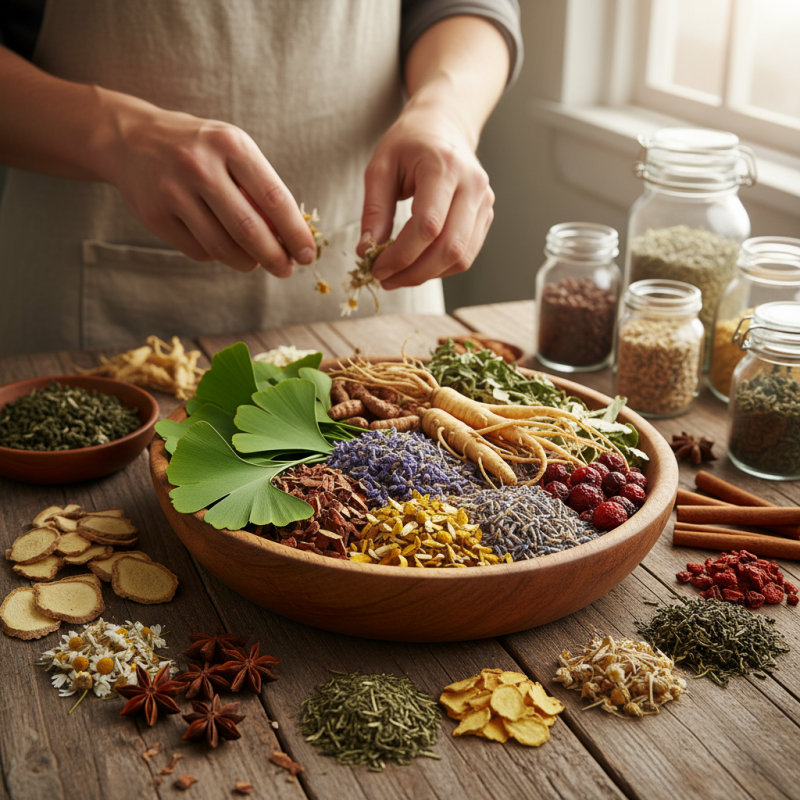
The global market for herbal ingredients is thriving. Many sourcing buyers are turning to natural solutions. These ingredients stand out for their unique benefits and wide usage.
One popular choice is ginger. It's known for its anti-inflammatory properties. Sourcing buyers value its versatility. Another favorite is turmeric, celebrated for its antioxidant effects. Its vibrant color also attracts attention in food products.
Additionally, ginseng remains a classic. Buyers appreciate its energy-boosting effects. However, selecting the right quality can be challenging. Buyers often seek reliable suppliers to ensure authenticity. The herbal market, while promising, requires careful navigation for successful sourcing.
| Rank | Herbal Ingredient | Primary Use | Region Sourced | Market Demand |
|---|---|---|---|---|
| 1 | Turmeric | Anti-inflammatory, Antioxidant | India, Southeast Asia | High |
| 2 | Ginger | Digestive Health, Anti-nausea | China, India | High |
| 3 | Ashwagandha | Stress Relief, Energy Boost | India | Medium |
| 4 | Peppermint | Digestive Aid, Headache Relief | USA, Europe | Medium |
| 5 | Chamomile | Relaxation, Sleep Aid | Europe, Egypt | Medium |
| 6 | Echinacea | Immune Support | USA, Canada | High |
| 7 | Holy Basil (Tulsi) | Stress Relief, Adaptogen | India | Medium |
| 8 | Goji Berries | Antioxidants, Eye Health | China | High |
| 9 | Lavender | Aromatherapy, Relaxation | France, Bulgaria | Medium |
| 10 | Lemon Balm | Anxiety Relief, Sleep Aid | Europe | Medium |
The global demand for herbal ingredients is influenced by various factors. Consumers today are more health-conscious. They seek natural remedies over synthetic solutions. This shift has led to increased interest in herbal products. Buyers often look for herbs that offer specific health benefits. Ingredients such as turmeric and ginger have gained vast popularity for their anti-inflammatory properties.
Moreover, the rise of wellness trends has driven this demand. People are prioritizing mental health and holistic well-being. Companies are responding by incorporating herbal ingredients into their offerings. For instance, adaptogenic herbs like ashwagandha are now common in supplements. This trend reflects a broader search for balance in daily life.
Supply chain transparency is also crucial. Buyers require reliable sources for quality ingredients. Sustainable farming practices are becoming a significant selling point. Ensuring ethical sourcing not only meets consumer expectations but also promotes biodiversity. Despite these trends, challenges remain. The herbal market can be unpredictable, with varying quality and availability. This tension highlights the need for ongoing research and strong supplier relationships.
Navigating regional sourcing trends for herbal products can be challenging. Start by understanding the specific needs of your market. Quality varies significantly by region, so knowing your sources is crucial. For instance, South America is recognized for its diverse herbs. This area offers unique botanicals, but sustainability practices are inconsistent.
Asia is another key player in herbal sourcing. Countries like India and China have rich traditions in herbal medicine. They provide high-quality ingredients, but ethical sourcing is vital. Evaluating certifications can help buyers ensure responsible procurement.
In Europe, there’s a growing trend for organic options. Regulations here are stricter, emphasizing purity and quality. Suppliers often have detailed documentation. However, the competition can be steep, requiring diligent research. Don't overlook local farmers and co-ops, which can provide fresh options. Sourcing locally may reduce carbon footprints while supporting community businesses.
When sourcing herbal ingredients, quality standards and certifications play a crucial role. Buyers must ensure the products meet safety and efficacy benchmarks. Third-party certifications help verify these standards. Organic certifications, for example, indicate that ingredients are free from synthetic pesticides and fertilizers. This not only assures quality but also promotes sustainability.
Regulations vary by region, adding complexity. For instance, some certifications are recognized globally, while others are regional. Buyers should conduct thorough research to understand the certifications necessary for their target markets. This knowledge can prevent potential issues and enhance the reliability of the supply chain.
Communication with suppliers is essential. Some may not fully understand the certification processes. Ensuring they have the appropriate documentation can sometimes be overlooked. Regular audits and inspections can help bridge this gap. Adhering to strict quality measures can be challenging, but it is critical for maintaining consumer trust in herbal products.
The global herbal market is evolving rapidly. Emerging herbal ingredients show promise in various sectors, particularly health and wellness. Ingredients like ashwagandha, moringa, and turmeric have gained attention. These herbs offer multiple health benefits, making them attractive to buyers. Their traditional uses are now backed by scientific research.
Despite the opportunities, sourcing herbal ingredients isn’t without challenges. Quality control remains a significant concern. Buyers must ensure they source from reliable suppliers. Sustainability is another critical issue. Overharvesting can threaten certain plants, prompting a need for responsible sourcing practices. The market demands ethical guidelines and traceability.
Moreover, consumer awareness is rising. Education about herbal properties is crucial. Some ingredients, though popular, may not meet everyone’s needs. Individual responses to herbal treatments can vary widely. It’s essential for buyers to remain informed about these variations. The future indeed holds exciting possibilities for herbal ingredients in global markets.
This chart displays the top 10 herbal ingredients currently in demand in global markets, along with their estimated market growth rates over the next five years. These ingredients are gaining popularity due to their natural health benefits and increasing consumer preference for herbal products.
: Ginger is known for its anti-inflammatory properties and versatility. It is widely used in various products.
Turmeric is celebrated for its antioxidant effects and vibrant color. It attracts attention in different food products.
Selecting the right quality of ginseng can be challenging. Authenticity is key for effective sourcing.
Ingredients like ashwagandha, moringa, and turmeric are becoming popular. They offer multiple health benefits.
Quality control and sustainability are significant concerns for buyers. Reliable suppliers are crucial for effective sourcing.
Rising consumer awareness about herbal properties is vital. Education helps buyers make informed decisions.
Individual responses to herbal treatments can vary. Not every ingredient suits every person’s needs.
Overharvesting can threaten certain plants. Responsible sourcing practices are essential to protect these resources.
Buyers need to ensure traceability and ethical guidelines are followed in sourcing practices.
Continuous education about ingredients' different properties is necessary for successful sourcing decisions.
The article "Top 10 Herbal Ingredients for Global Sourcing Buyers" explores the most sought-after herbal ingredients in the international market, highlighting key factors that drive their demand. It emphasizes the importance of understanding regional sourcing trends, providing insights into where buyers can find high-quality herbal products. Additionally, the article discusses the significance of quality standards and certifications that ensure the integrity and safety of herbal ingredients, which are crucial for fostering consumer trust.
Looking to the future, the article identifies emerging herbal ingredients that are gaining traction in global markets, suggesting a dynamic landscape for sourcing buyers. This ongoing evolution underscores the need for stakeholders to stay informed about market developments and sustainable practices in order to effectively meet the growing demand for herbal ingredients worldwide.

Neo-Green Herbs