Top 10 Herbal Ingredients Suppliers for Global Buyers

Time:2026-10-12 Author:Charlotte
0%

Global buyers need more than attractive product catalogs when sourcing Herbal Ingredients. They need dependable partners who can protect quality from harvest to delivery. This guide introduces ten suppliers with international experience across herbs, botanicals, extracts, powders, and functional plant materials.

The selection focuses on practical evidence, including traceability systems, laboratory testing, certification records, production capacity, and export support. A strong supplier should identify the plant species clearly and explain its cultivation, processing, and storage methods. Buyers should also review certificates of analysis, allergen statements, contaminant controls, and documentation required in the destination market. Small details matter. A sealed sample bag, readable batch code, and stable color can reveal much about operational discipline.

No supplier list is flawless. Product suitability can change by season, crop origin, and buyer specifications. A company with excellent extracts may not handle whole herbs well. Another supplier may offer competitive pricing but weaker communication during audits. This article therefore treats ranking as a practical starting point, not a final verdict. Readers should request current samples, verify independent test results, and compare lead times before signing contracts. Responsible sourcing also includes ethical labor practices, sustainable harvesting, and transparent communication about supply limitations. The best partnership is not always the cheapest one. It is the one that consistently delivers safe, documented, and specification-compliant ingredients while responding honestly when problems occur. That judgment requires evidence, patience, and occasional reconsideration.
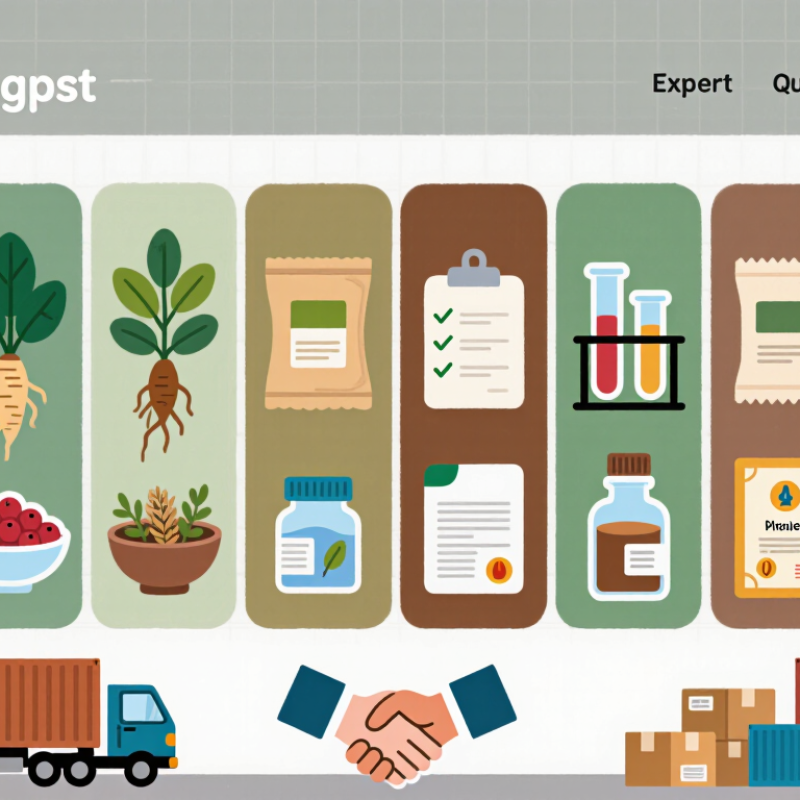
Top 10 Herbal Ingredients Suppliers for Global Buyers

What Defines a Reliable Herbal Ingredients Supplier

Top 10 Herbal Ingredients Suppliers for Global Buyers

What Defines a Reliable Herbal Ingredients Supplier

For global buyers, a reliable herbal ingredients supplier proves quality before discussing price. In procurement reviews, I look for clear botanical identification, consistent batch records, and staff who can explain processing choices. A supplier should provide a current certificate of analysis, not a recycled file. It should show test methods, specifications, and results for the exact lot. Small details matter.

Traceability is equally important. Each drum should connect to a documented harvest, processing site, and shipment record. Strong suppliers control moisture, microbial levels, heavy metals, pesticide residues, and other contaminants through validated testing. They also understand destination-market requirements and maintain current export and quality documents. A professional supplier maintains suitable quality systems rather than relying on verbal assurances. A clean facility, calibrated instruments, and retained samples reveal more than polished brochures.

Communication separates dependable partners from occasional sellers. They answer technical questions directly, disclose limitations, and report deviations before shipment. I value suppliers willing to send representative samples and discuss storage conditions, shelf life, and packaging. No supplier gets every detail right. Once, a minor labeling mismatch exposed a weak document-control process; correcting it mattered more than an apology. Buyers should still verify claims through independent testing when risk justifies it. Reliability is demonstrated repeatedly, batch after batch, not promised in a sales email.

What Defines a Reliable Herbal Ingredients Supplier?

Suggested buyer evaluation framework based on widely recognized quality, traceability, regulatory, and supply-chain practices.

Quality systems and testing receive the highest suggested weighting because herbal ingredients can vary by species, origin, harvest conditions, processing, and storage. Buyers should also verify traceability, regulatory documentation, sustainability practices, supply continuity, and technical support before approval.

Key Criteria for Evaluating Global Herbal Ingredient Vendors

Global buyers should judge herbal ingredient suppliers through evidence, not polished catalogs. Reliable vendors identify plant species, plant parts, origin, harvest season, and processing conditions. Ask for recent certificates of analysis, not generic files reused for every shipment. Test results should cover identity, microbial limits, heavy metals, pesticides, and active markers when relevant. Batch numbers must connect raw materials to production and shipping records. A pleasant warehouse smell is not proof of quality.

Supplier evaluation also requires operational checks. Review quality systems, change-control procedures, complaint handling, and recall readiness. Request samples from multiple lots, then compare color, aroma, solubility, and laboratory data. Independent testing can confirm supplier claims, especially when consistency matters. Responsible vendors explain country-specific documentation and communicate limitations honestly. Some evaluations still miss seasonal variation. That gap deserves attention. An attractive sample can hide weak traceability.

Tips: Build a scorecard covering quality, traceability, capacity, documentation, and response time. Test every lot. Keep records. Visit the facility when practical, or arrange a credible remote audit. Ask uncomfortable questions about rejected batches, subcontractors, storage humidity, and delayed shipments. A supplier that admits weaknesses may be more dependable than one promising perfect results.

Top 10 Herbal Ingredients Suppliers by Product and Regional Strengths

Top 10 Herbal Ingredients Suppliers for Global Buyers

Top 10 Herbal Ingredients Suppliers by Product and Regional Strengths

Global buyers often compare suppliers by crop access, processing skill, and regional reliability. Indian producers are strong in turmeric, ginger, ashwagandha, and botanical powders. Chinese suppliers commonly provide tea extracts, goji, and functional mushroom ingredients. European processors often specialize in standardized extracts, dried herbs, and strict documentation. Mediterranean suppliers offer rosemary, oregano, and thyme with strong culinary demand.

South American suppliers are known for acerola, yerba mate, and passionflower materials. North American companies frequently handle cranberry, echinacea, and clean-label blends. African suppliers may provide rooibos, baobab, and hibiscus with distinctive origin stories. Southeast Asian producers support lemongrass, pandan, and ginger sourcing. Central Asian suppliers can offer saffron and selected aromatic plants. Australian suppliers often focus on native botanicals and carefully controlled cultivation.

Product strength alone is not enough.

Experienced buyers should request a recent certificate of analysis, pesticide screening, heavy-metal results, microbiological data, and harvest information. A supplier with visible traceability is easier to audit. Batch photographs help, too.

I have found that color and aroma can change between seasons, even with the same specification. That weakness deserves attention.

Organic claims, extraction ratios, and shelf-life dates should be verified independently. Smaller suppliers may offer fresher materials, but their documentation can be uneven. Large processors may provide stable volume, yet flexibility is sometimes limited.

Quality Standards, Certifications, and Supply Chain Traceability

Top 10 Herbal Ingredients Suppliers for Global Buyers

Quality Standards, Certifications, and Supply Chain Traceability

For global buyers, a top-ten supplier list should begin with evidence, not attractive catalog photos. The WHO Global Report on Traditional and Complementary Medicine 2019 found that 170 of 194 Member States reported using traditional medicine. That scale raises a practical question: can every batch be verified? Suppliers should provide botanical identity, plant part, country, harvest season, and lot-specific certificates of analysis.

Quality starts at the field. Look for documented Good Agricultural and Collection Practices, controlled drying, pest management, and hygienic storage. For extracts, request marker-compound assays, solvent-residue tests, pesticide screens, heavy-metal results, microbial counts, and aflatoxin testing. ISO 22000 or HACCP certification supports food-safety systems, but certificates need scope and current audit dates. Organic certification matters only when the claim matches the destination market.

Traceability should work backwards and forwards. A supplier ought to link each finished drum to a farm, collection date, drying location, warehouse, and transport record. QR codes help, but they are not proof alone. In practice, neat digital trails can miss one transfer between traders. That gap deserves scrutiny. The FDA’s New Era of Smarter Food Safety blueprint promotes faster traceability across food chains. Buyers can test suppliers with a mock recall, checking whether affected lots and retained samples are identified within hours. No certificate is magic. Record every exception, even when the shipment passes.

How Global Buyers Can Select the Right Herbal Ingredients Supplier

Selecting a herbal ingredients supplier requires more than comparing prices. Quality begins with botanical identity, cultivation controls, and traceability. The WHO Global Report on Traditional and Complementary Medicine 2019 states that 88% of WHO Member States recognize traditional medicine use. This broad demand increases pressure on supply chains. Global buyers should request batch-specific certificates of analysis, including identity, potency, moisture, microbial limits, pesticides, and heavy metals. A generic certificate is not enough.

Visit the supplier’s processing site when possible. Check whether raw materials are separated by lot, stored away from humidity, and labeled with harvest details. Ask for evidence of Good Agricultural and Collection Practices, validated testing methods, and corrective-action records. ISO 22000-based food safety systems can support control, but certification alone cannot guarantee every batch. I have seen strong documents hide weak sampling practices. That risk deserves attention. Buyers should also review production capacity, lead times, export experience, and contingency plans for crop failure.

Tips: Compare at least three suppliers using the same checklist. Request retained samples before signing a large contract. Test them independently. Confirm botanical names, plant parts, extraction ratios, and solvent specifications in writing. The UNCTAD BioTrade Principles emphasize sustainability, traceability, and fair benefit sharing, so buyers should examine harvesting permissions and community impacts. Price matters, but an unusually low quote may signal overlooked testing, unstable sourcing, or inconsistent material. No checklist is perfect. Keep reviewing supplier performance after delivery.

Top 10 Herbal Ingredients Suppliers for Global Buyers - How Global Buyers Can Select the Right Herbal Ingredients Supplier

Rank Anonymous Supplier Profile Primary Supply Region Typical Herbal Ingredient Portfolio Quality and Food-Safety Systems to Require Traceability Expectation Routine Testing Evidence Export Documentation Typical MOQ Suitability Best Fit for Global Buyers Buyer Evaluation Score
1 Supplier Profile 01 China and East Asia Tea extracts, botanical powders, roots, mushrooms, standardized extracts HACCP or ISO 22000; documented allergen, sanitation and change-control procedures Batch-level
Farm or collection area, processing date and lot number
Identity, microbiology, heavy metals, pesticides and active-marker testing Commercial invoice, packing list, certificate of analysis and country-of-origin documents Medium to large commercial orders Brands requiring broad botanical selection and scalable production 92
2 Supplier Profile 02 India and South Asia Turmeric, ashwagandha, moringa, ginger, ayurvedic botanicals and spice extracts GMP-based manufacturing; HACCP or ISO 22000 preferred for food applications Batch-level
Supplier approval and raw-material intake records
Botanical identity, curcuminoids or other marker compounds, microbial and contaminant testing Certificate of analysis, phytosanitary documents where applicable and export declaration Small to large orders, depending on extract standardization Functional-food, supplement and traditional-herbal product manufacturers 91
3 Supplier Profile 03 Europe and the Mediterranean Milk thistle, chamomile, rosemary, sage, mint and certified organic herbs ISO 22000, FSSC 22000 or equivalent food-safety program; strong supplier-audit controls Farm-to-lot
Documented grower, harvest and processing history
Identity, pesticide-residue, microbiological, authenticity and organic-status testing Organic certificate where claimed, certificate of analysis and full product specification Medium to large orders with comparatively consistent specifications Buyers prioritizing regulatory documentation, consistency and organic sourcing 90
4 Supplier Profile 04 North America Echinacea, elderberry, cranberry, botanical concentrates and specialty extracts GMP controls, HACCP and documented preventive-control plans Batch-level
Electronic lot records and retained samples
Identity, potency, microbiology, heavy metals and stability-related testing Certificate of analysis, specification sheet, allergen statement and regulatory support file Small to medium orders for specialty ingredients Supplement companies seeking strong technical support and North American compliance familiarity 89
5 Supplier Profile 05 South America Yerba mate, guarana, acerola, cat's claw and tropical fruit botanicals HACCP or ISO 22000; documented controls for agricultural and forest-sourced materials Lot-level
Collection or farm information should be available on request
Identity, caffeine or marker-compound assay, pesticides and microbiological testing Certificate of analysis, origin documents and phytosanitary certificate when required Medium to large orders Buyers developing energy, antioxidant and regional-origin formulations 86
6 Supplier Profile 06 Africa Hibiscus, baobab, rooibos, African botanicals and dried herbal materials HACCP implementation or equivalent documented food-safety controls Lot-level
Harvest region and processor records should be maintained
Microbiology, moisture, foreign matter, heavy metals and botanical identity Certificate of analysis, origin documentation and export health documents where applicable Medium orders; seasonal availability may affect planning Buyers seeking distinctive botanicals and origin-based product positioning 84
7 Supplier Profile 07 Southeast Asia Lemongrass, pandan, ginger, galangal, cinnamon and tropical herbal powders HACCP or ISO 22000; validated drying and moisture-control processes Lot-level
Harvest and drying records should link to finished-product lots
Moisture, microbiology, pesticide residues, foreign matter and identity testing Certificate of analysis, packing list, invoice and applicable phytosanitary documents Small to medium orders for dried materials; larger orders for powders Food, beverage and culinary-herbal product developers 83
8 Supplier Profile 08 Central Asia and Eastern Europe Licorice, nettle, valerian, rosehip, dandelion and dried medicinal herbs GMP or HACCP-based controls; validated cleaning and foreign-material procedures Lot-level
Collection area, harvest season and processing records
Identity, moisture, microbiology, pesticide residues and heavy-metal screening Certificate of analysis, specification sheet, origin documents and customs paperwork Medium to large orders, often dependent on harvest season Buyers needing traditional medicinal herbs and dried plant materials 82
9 Supplier Profile 09 Turkey and the Middle East Saffron, sumac, thyme, sage, black seed and aromatic herb extracts HACCP or ISO 22000; authenticity and adulteration-control procedures are essential Lot-level
Origin and processing information should be recorded
Identity, authenticity, pesticide residues, microbiology and relevant active markers Certificate of analysis, origin certificate, invoice and export documentation Small to medium orders for high-value botanicals Premium food, beverage, spice and botanical supplement applications 81
10 Supplier Profile 10 Multi-region Trading and Processing Network Mixed herbs, standardized extracts, organic ingredients and custom blends Quality system must be verified at both the processor and original-material supplier level Verify carefully
Traceability should extend to the original farm or collection point
Testing scope depends on each botanical; independent laboratory confirmation is recommended Certificate of analysis, full specification, origin information and import compliance documents Flexible quantities, including trial and mixed-product orders New product development teams needing sourcing flexibility and multiple ingredient formats 79

FAQS

What information should a herbal ingredient supplier provide?

The supplier should identify the plant species, plant part, origin, harvest season, and processing conditions. Details matter. A polished catalog is not enough.

Why are batch-specific certificates important?

Recent certificates should match the exact shipment and lot number. Generic files may be reused incorrectly. Check dates, test methods, and laboratory results.

Which tests are useful for herbal ingredients?

Testing may include identity, moisture, microbial limits, heavy metals, pesticides, aflatoxins, and active markers. Extracts may also need solvent-residue testing. Testing requirements vary by product.

How can buyers check supply chain traceability?

Each finished container should connect to its farm, collection date, drying site, warehouse, and transport record. Ask for retained samples. Digital codes help, but they are not proof alone.

What should buyers inspect during a facility visit?

Check lot separation, labels, storage humidity, hygiene, drying controls, and pest management. Ask about rejected batches and subcontractors. A clean smell proves little.

How can buyers compare several suppliers fairly?

Use one scorecard for quality, traceability, capacity, documentation, pricing, and response time. Compare at least three suppliers. Keep the same questions for everyone.

Should buyers arrange independent laboratory testing?

Yes, especially when consistency or safety is important. Test samples from multiple lots before signing a large contract. Strong paperwork can hide weak sampling.

What warning signs suggest supplier risk?

Be careful with unusually low prices, missing harvest details, delayed answers, and certificates without scope or dates. Perfect promises deserve questions. Honest weaknesses may be safer.

Conclusion

Choosing the right Herbal Ingredients supplier is essential for companies seeking consistent quality, dependable delivery, and long-term cooperation in global markets. A reliable supplier should demonstrate strong manufacturing controls, transparent sourcing practices, stable production capacity, and clear communication. Buyers should evaluate vendors according to product range, regional expertise, technical support, pricing, minimum order requirements, lead times, and responsiveness to changing market needs.

Quality standards and supply chain traceability are equally important. Suppliers should provide appropriate certifications, documented testing procedures, batch records, contaminant controls, and clear information about origin and processing methods. The top suppliers typically distinguish themselves through specialized product strengths, broad regional coverage, flexible logistics, and the ability to meet different regulatory and commercial expectations. By comparing these factors carefully and requesting samples, specifications, compliance documents, and performance references, global buyers can select a supplier that supports product safety, operational efficiency, and sustainable business growth.

Charlotte

Charlotte

Charlotte is a seasoned marketing professional with a deep understanding of the company's portfolio and a passion for elevating its presence in the market. With a keen eye for detail and a commitment to excellence, she ensures that our professional blog is regularly updated with insightful articles......