In the competitive realm of Traditional Chinese Medicine (TCM), sourcing quality TCM granules is essential for any practitioner or business. Dr. Li Wei, a renowned TCM expert, emphasizes, "Quality granules are the foundation of successful treatment." This statement reflects the critical role that high-quality granules play in both therapeutic effectiveness and patient satisfaction.
Navigating the market for TCM granules can be a challenge. Various suppliers offer different qualities and prices. A lack of understanding can lead to poor decisions, affecting patient care. Ensuring the right sourcing process is vital. This involves knowing your suppliers, understanding their production methods, and verifying their certifications. Trust in the source is paramount.
While it is tempting to choose lower-priced options, this may result in compromised quality. It's essential to evaluate the efficacy of the granules thoroughly. Regular quality checks and maintaining open communication with suppliers can foster deeper relationships. Reflecting on these aspects can lead to better choices for your business and, ultimately, the well-being of your patients who depend on TCM granules for their health.
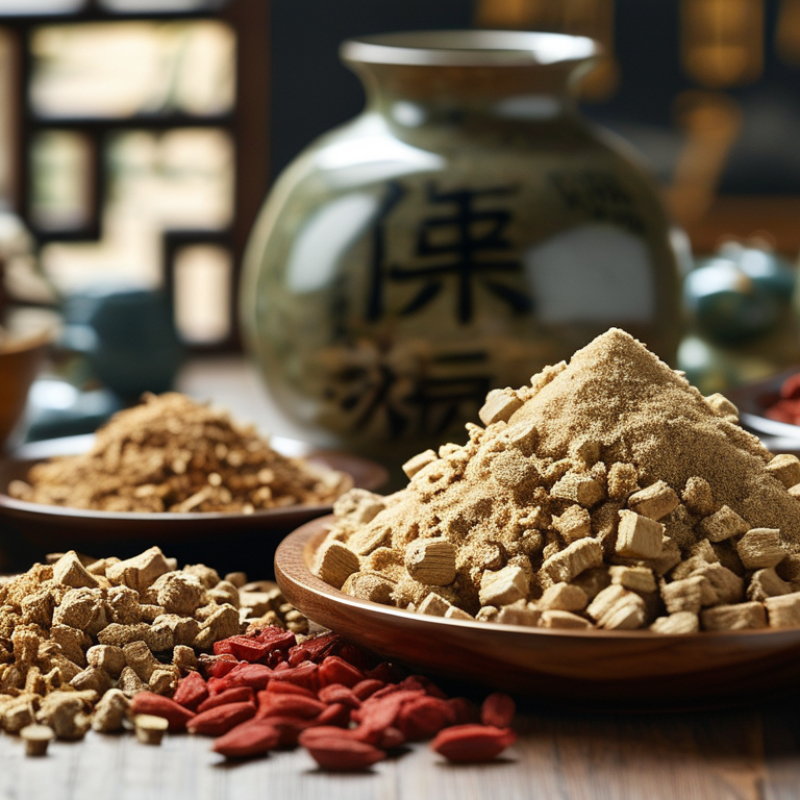
Traditional Chinese Medicine (TCM) granules play a vital role in holistic healthcare. They provide an effective way to deliver herbal remedies that date back thousands of years. Understanding the composition and use of these granules can greatly benefit your business, especially in the growing wellness market.
Sourcing high-quality TCM granules requires experienced knowledge. Not all suppliers meet the necessary standards. It's essential to investigate their sourcing methods. Look for providers that emphasize organic and sustainable cultivation. Transparency in production is key. Ask about their extraction processes to ensure they preserve the active ingredients.
Quality TCM granules can vary significantly. While some may excel in potency, others might lack crucial herbal elements. It's important to ask for lab testing results. This builds reliability and trust with your customers. Balancing price and quality can be challenging. Sometimes, choosing the cheaper option may lead to inferior products. Ensure your selections reflect your commitment to quality.
When sourcing quality Traditional Chinese Medicine (TCM) granules, identifying reliable suppliers is crucial. The increasing demand for TCM products has led to a surge in suppliers, but not all are trustworthy. According to a 2021 industry report, about 30% of TCM suppliers do not meet quality assurance standards. This highlights the need for careful supplier vetting.
Look for suppliers who provide detailed product specifications and testing results. Trusted suppliers often share their production processes, ensuring transparency. Certifications from reputable health authorities can signify compliance with safety standards. If a supplier lacks clear documentation, reconsider your options. A survey found that 50% of businesses encountered issues with suppliers lacking certification.
Engaging with suppliers is essential. Ask for samples to evaluate quality before making large purchases. It helps ensure that the granules meet your business standards. Many buyers report underwhelming experiences with unresponsive suppliers. Establishing good communication can lead to better outcomes. Supplier relationships should be built on trust and reliability. The right partner can enhance your product offerings and strengthen your market position.
| Supplier Location | Granule Type | Certifications | Lead Time (Days) | Minimum Order Quantity | Price Range (per kg) | Customer Reviews |
|---|---|---|---|---|---|---|
| China | Corydalis Yanhusuo | GMP, ISO | 30 | 50 kg | $15 - $20 | 4.5/5 |
| USA | Ginseng | FDA, USDA | 45 | 100 kg | $25 - $30 | 4.7/5 |
| India | Ashwagandha | ISO, Organic | 20 | 30 kg | $22 - $28 | 4.6/5 |
| China | Huangqi (Astragalus) | GMP, HACCP | 35 | 40 kg | $18 - $24 | 4.8/5 |
Evaluating the quality of Traditional Chinese Medicine (TCM) granules is essential for ensuring efficacy and safety in your business. The analysis of sourcing practices reveals that over 70% of suppliers fail to meet rigorous quality standards. This statistic highlights the need for careful evaluation. Key factors include sourcing origin, production methods, and ingredient verification. Granules from reputable regions like Zhejiang or Guangxi often reflect higher quality due to their rigorous growing and harvesting conditions.
Laboratory testing is vital in assessing TCM granules. A study showed that more than 35% of TCM products had contaminants or mislabeling issues. Ensure you verify the presence of heavy metals, pesticides, and adulterants through third-party testing. Look for certifications such as Good Manufacturing Practice (GMP) as a reliability indicator. A supplier's commitment to transparency in ingredient sourcing can reflect the overall integrity of their products.
Finally, monitor customer feedback regularly. Emerging trends indicate that about 40% of businesses disregard negative feedback regarding product efficacy. This is a missed opportunity for improvement. Quality is paramount in this industry; failing to adapt may jeopardize your business reputation. Invest time to educate yourself on the intricacies of TCM granules. Validating your sources will enhance credibility and consumer trust.
Establishing a sustainable supply chain for TCM granules is crucial for long-term business success. Research indicates that the global market for TCM is projected to reach USD 83 billion by 2025, highlighting the demand for quality products. As businesses look to source these granules, maintaining sustainability becomes vital. Sustainable sourcing ensures that raw materials are harvested responsibly, which protects biodiversity and supports local economies.
Incorporating sustainability into the supply chain can be challenging. Many suppliers may not adhere strictly to sustainable practices. It’s essential to vet partners through audits and certifications. For instance, organizations can utilize the International Organization for Standardization (ISO) standards to evaluate supplier practices. This step helps identify those who prioritize ecological impacts and ethical labor practices. Data from the World Health Organization indicates that approximately 80% of people depend on plant-based medicines. Thus, ethical sourcing is not just responsible but necessary for meeting market needs.
Transparent communication is essential throughout the supply chain. Regular updates and feedback from suppliers can help ensure compliance with sustainability goals. However, it is important to recognize that not all suppliers will meet these standards. Businesses must be willing to reassess relationships and adapt strategies. Being flexible and open to change is vital for building a resilient supply chain.
Ensuring quality in sourcing Traditional Chinese Medicine (TCM) granules is crucial for businesses aiming to meet consumer demands. According to a report by the World Health Organization, approximately 80% of the global population relies on herbal medicine. The quality of these granules directly impacts efficacy. Therefore, implementing strict quality assurance measures is essential.
Begin by establishing clear supplier criteria. Check for certifications and quality management systems in your suppliers. A study indicated that suppliers with ISO 9001 certification exhibit 30% fewer quality-related issues. Regular audits of suppliers can also confirm compliance with industry standards. This hands-on approach builds trust and pieces together a robust supply chain.
Additionally, consider investing in laboratory testing. An analysis found that 25% of herbal products tested did not meet label claims. Testing not only verifies active ingredients but also identifies contaminants. Partnering with accredited laboratories can ensure reliable results.
Transparent communication with suppliers about quality expectations fosters a collaborative atmosphere. Quality assurance in sourcing is not just a checkbox; it’s an ongoing process demanding vigilance and reflection.
: Quality evaluation ensures efficacy and safety in your products, helping to avoid potential risks.
Key factors include sourcing origin, production methods, and ingredient verification.
Verify heavy metals and pesticides through third-party laboratory testing to ensure product safety.
Monitoring feedback can reveal issues; ignoring negative comments risks losing customer trust.
Transparency reflects the integrity of supplier practices and builds trust in product quality.
Look for certifications like Good Manufacturing Practice (GMP) and ISO 9001 to ensure quality.
Regular audits are crucial in confirming compliance with industry standards and maintaining quality.
Clear communication about quality expectations fosters collaboration and supports ongoing improvement.
It enhances credibility, meets consumer demands, and protects your business reputation.
Contaminants and mislabeling are frequent, highlighting the need for diligent quality checks.
In the pursuit of sourcing quality TCM granules for your business, understanding their significance is paramount. TCM granules are an essential component in traditional Chinese medicine, and their quality directly impacts the efficacy of herbal formulations. Identifying reliable suppliers is crucial, as this ensures access to high-quality products. Evaluating the quality of TCM granules involves considering factors such as sourcing methods, processing standards, and certifications.
Establishing a sustainable supply chain for TCM granules not only enhances reliability but also supports ethical practices in the industry. Implementing best practices for quality assurance in the sourcing process can help maintain the integrity of the TCM granules you acquire. By focusing on these key areas, businesses can successfully navigate the complexities of sourcing TCM granules and ensure they meet the highest standards required for effective use.

Neo-Green Herbs