How to Source Medicinal Plants for Global Markets?

Time:2026-06-01 Author:Mason
0%

The global demand for medicinal plants is on the rise. These plants offer immense potential in the health and wellness sectors. However, sourcing them effectively is a challenging task. It's crucial to understand the markets, regulations, and sustainable practices involved. Many growers now face questions about quality and authenticity.

Medicinal plants are often harvested from diverse ecosystems. The challenge lies in ensuring their sustainability. Environmental impact is a major concern. Overharvesting can lead to species depletion. This puts pressure on ecosystems and local communities. Transparency in sourcing is essential.

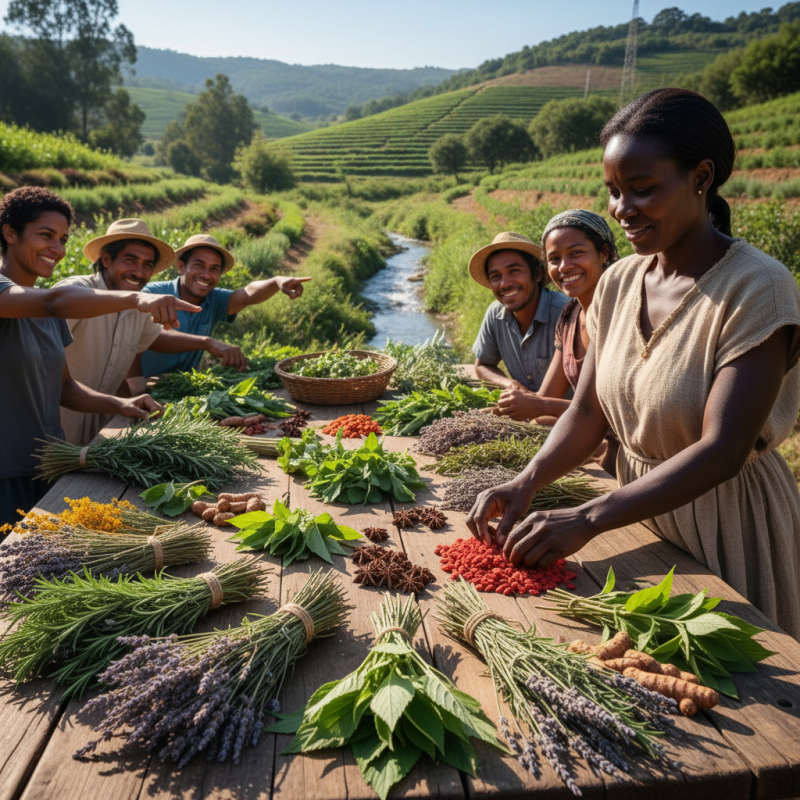
Knowing the right sources is vital for success. Collaborating with local farmers and communities can provide rich insights. They often have the best knowledge of local plants and their uses. Building relationships ensures ethical practices and higher quality products. Ultimately, understanding these complexities helps ensure that medicinal plants can meet global needs while supporting local biodiversity.
How to Source Medicinal Plants for Global Markets?

Strategies for Identifying High-Demand Medicinal Plants Globally

Identifying high-demand medicinal plants for global markets requires a strategic approach. Experienced researchers suggest focusing on regional preferences and traditional uses. For instance, the World Health Organization (WHO) reports that up to 80% of the global population relies on traditional medicine. This indicates a significant market for locally sourced medicinal plants.


To pinpoint high-demand species, conducting market research is crucial. Reports suggest that the herbal medicinal market is projected to reach $165 billion by 2025. Data indicates that plants like Turmeric and Ashwagandha are gaining traction due to their recognized health benefits. Moreover, emerging trends highlight the growing interest in sustainability. Consumers are increasingly seeking ethically sourced herbal products.


Engaging with local communities is equally important. Indigenous knowledge can reveal valuable insights into plant efficacy and potential market trends. However, challenges exist. Overharvesting and climate change threaten many species. Reflecting on sustainable practices is essential for long-term success in sourcing medicinal plants. Balancing demand and ecological preservation is a key consideration for companies looking to make a meaningful impact.

Evaluating Sustainable Sourcing Practices for Medicinal Plants

Sourcing medicinal plants for global markets requires a keen understanding of sustainability. Sustainable practices can significantly impact the environment. Consider how extraction methods affect biodiversity. Overharvesting is a real threat. A balanced approach is necessary to ensure the health of ecosystems.

Evaluating sourcing practices involves assessing community impact. Local populations should benefit from trade in medicinal plants. Fair trade practices can promote economic stability. Collaborating with local growers fosters trust. Building relationships leads to better quality products. Transparency in sourcing is crucial. Documentation can help trace plant origins and ensure ethical practices.

Certification plays a role in sustainability. Reliable certifications signal responsible sourcing. However, the system is not without flaws. Some certifications may lack rigorous standards. It's essential to remain critical and seek continual improvement. Identifying genuine partners can be challenging. Research and due diligence are vital in this evolving market.

Medicinal Plants Sourcing Practices (2023)

Understanding Regulatory Standards for Global Medicinal Plant Trade

When sourcing medicinal plants for global markets, understanding regulatory standards is crucial. Numerous countries have established guidelines to ensure the quality, safety, and efficacy of these plants. Familiarity with these regulations enhances credibility and builds consumer trust. It also opens pathways to international trade and partnerships.

Each region may have distinct requirements. For instance, some may demand extensive documentation of harvesting methods and processing standards. Others might focus on specific certifications. Ensuring compliance can be challenging. Regulations often evolve, and missing updates can lead to penalties. Industry stakeholders need a proactive approach to stay informed.

For farmers and suppliers, navigating this landscape can be overwhelming. Some may struggle with interpreting complex regulations. Engaging with industry experts can help clarify these issues. Reliable resources must be prioritized for consistent information. Collaboration with local authorities is also valuable. Building these relationships fosters a more robust supply chain. The intricate balance of meeting market demands and regulatory compliance is key for success.

Analyzing Market Trends in the Medicinal Plant Industry

The medicinal plant industry is seeing dynamic shifts. Growing consumer interest in natural remedies drives demand worldwide. In recent years, many markets have turned towards herbal solutions. This trend reflects a broader inclination towards sustainability and holistic health. Analyzing these shifts reveals valuable insights for sourcing.

Market research indicates increasing competition among suppliers. Many vendors face challenges in sourcing high-quality plants. Issues like climate change and land degradation affect availability. Local sourcing can help mitigate these challenges. However, stricter regulations can complicate this process. Understanding regional policies is crucial for access to diverse medicinal plants.

Moreover, consumer preferences are evolving. There is a clear trend towards organic and sustainably harvested plants. Transparency in sourcing is a growing demand. Companies must now provide clear information about their supply chains. This trend presents both opportunities and obligations. Reflecting on these factors is essential for effectiveness in this market. It is not just about meeting demand, but also about ethical sourcing practices.

Building Relationships with Local Growers: A Key to Sourcing Success

Building relationships with local growers is essential for sourcing medicinal plants. Establishing trust is a vital step in this process. Local growers possess invaluable knowledge about their land and traditional practices. Engaging with them fosters collaboration and transparency, enabling better sourcing decisions.

When approaching local growers, consider the following tips. Start with face-to-face meetings to discuss your goals and learn about their cultivation methods. This personal touch builds rapport and shows genuine interest. Be open to their suggestions; they may offer insights into plant varieties and harvesting techniques that align with local conditions.

Additionally, maintain clear communication. Regular check-ins with growers help you stay informed about crop availability and quality. This connection can lead to better pricing strategies and mutual benefits. However, it’s crucial to acknowledge potential challenges, such as seasonal yield fluctuations. Cultivating a flexible approach can help manage these uncertainties while strengthening your relationship with local sources.

FAQS

: What should be considered when identifying high-demand medicinal plants?

: Focus on regional preferences and traditional uses. Community insights can be valuable for understanding efficacy.

Why is market research important in the herbal medicinal market?

It helps identify trends and potential high-demand species, impacting long-term sourcing strategies.

What are the current trends in consumer preferences for medicinal plants?

There is a shift towards organic and sustainably harvested plants. Transparency in sourcing is increasingly demanded.

How do sustainability practices affect sourcing medicinal plants?

Unsustainable practices can threaten ecosystems. Overharvesting impacts biodiversity and long-term resource availability.

What role do local communities play in sourcing medicinal plants?

Engaging with them ensures fair trade and benefits. Building trust leads to better quality products.

What challenges exist in the medicinal plant industry?

Climate change and regulatory issues complicate sourcing. Competition among suppliers is also increasing.

Why is certification important in this market?

It signals responsible sourcing. However, some certifications may lack rigorous standards, requiring critical assessment.

How can companies balance demand and ecological preservation?

Sustainable practices must be prioritized to ensure long-term availability of medicinal plants.

What should companies reflect on regarding their sourcing practices?

It’s essential to consider ethical implications and community impact in sourcing strategies.

How can consumer trends impact medicinal plant sourcing?

Shifting preferences towards natural remedies and sustainable products create both opportunities and responsibilities for suppliers.

Conclusion

This article explores effective strategies for sourcing medicinal plants in global markets, emphasizing the importance of identifying high-demand species. It highlights the significance of evaluating sustainable sourcing practices to ensure long-term viability and environmental integrity. Understanding the regulatory standards governing the trade of medicinal plants is crucial for compliance and market entry.

Additionally, the article analyzes current market trends within the medicinal plant industry, providing insights into consumer preferences and demand shifts. Building strong relationships with local growers emerges as a key strategy for successful sourcing, enabling better access to quality plants and fostering community engagement. Overall, these strategies provide a comprehensive approach to navigating the complexities of the medicinal plant market.

Mason

Mason

Mason is a seasoned marketing professional with a deep expertise in the company's offerings and a passion for driving brand awareness. With a strong background in digital marketing strategies, he has an innate ability to connect with diverse audiences and effectively communicate product benefits.......