Choosing the right Herbal Manufacturer is crucial for quality herbal products. With a booming interest in natural remedies, it's essential to understand what a reliable herbal manufacturer offers. They provide a range of herbal supplements, teas, and extracts, but not all are created equal.
When selecting an herbal manufacturer, consider their credentials and experience. Look for companies with industry certifications and a commitment to quality. Their sourcing methods should reflect sustainability and ethical practices. Transparency is key; the best manufacturers share detailed information about their ingredients and production processes.
However, not every green label guarantees quality. Some manufacturers may exaggerate their benefits or lineage. It's wise to read reviews and seek recommendations. The herbal industry continues to evolve, making it even more crucial to stay informed and cautious. A well-chosen herbal manufacturer can support your health journey effectively.
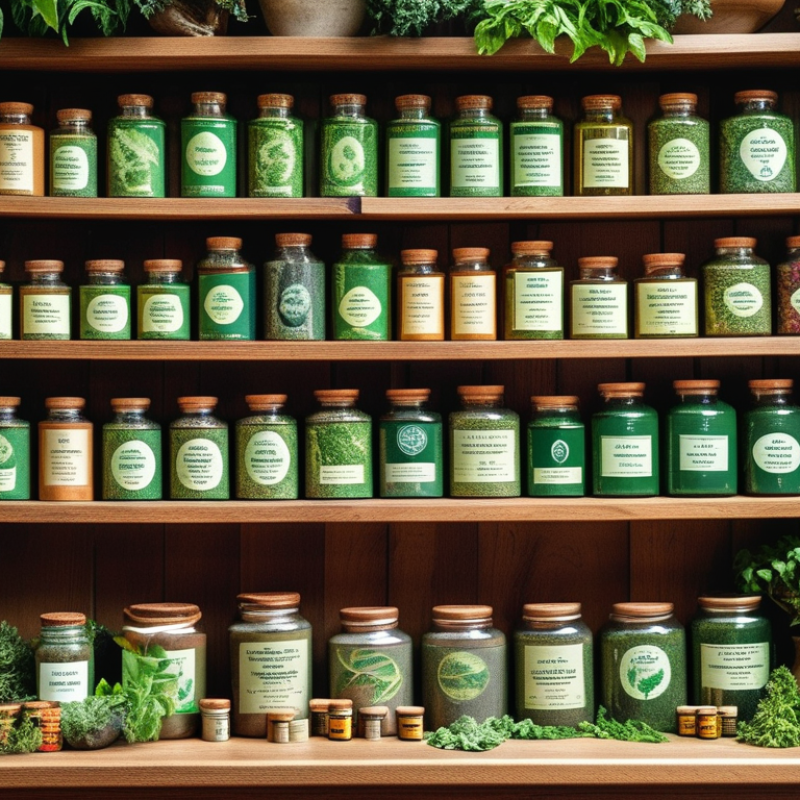
A herbal manufacturer plays a vital role in the supply chain of herbal products. They are responsible for sourcing, processing, and distributing natural herbs and botanical extracts. Understanding their function helps businesses ensure quality and effectiveness in products. These manufacturers bridge the gap between growers and consumers, making herbal products widely available.
When selecting a herbal manufacturer, consider their expertise in sourcing high-quality raw materials. Assess their quality control processes. Certification and compliance with industry standards are crucial indicators of reliability. Visit their facilities if possible to evaluate their practices. Look for transparency in sourcing and production methods.
Tips: Always request samples of their products to evaluate quality. Communication is also key; a responsive manufacturer is often a sign of professionalism. Trust your instincts; if something feels off during the process, reflect on whether they meet your expectations. The right partner can enhance your product line significantly.
Choosing a herbal manufacturer requires careful consideration of key certifications. These certifications ensure products meet safety and quality standards. Look for manufacturers that have certifications like GMP (Good Manufacturing Practices) and ISO (International Organization for Standardization). These demonstrate a commitment to maintaining high-quality production processes.
Another important aspect is the manufacturer's adherence to regulatory guidelines. They should comply with regional and international regulations. Third-party testing for purity and potency is also essential. This adds an extra layer of assurance that the herbs are free from contaminants. Yet, not every manufacturer follows through on these standards. Some may have certifications that are outdated or not verified.
When assessing a herbal manufacturer, it's important to ask questions. Investigate their sourcing practices and supply chain transparency. Reliable manufacturers should provide information on how they ensure the quality of their herbs. It’s a complex landscape, and not all claims are genuine. Practicing due diligence can help you make informed choices.
When choosing a herbal manufacturer, evaluating their quality control measures becomes vital. Quality control is not just a procedure but a promise of safety and efficacy. Studies show that nearly 50% of herbal products do not meet label claims. This highlights the need for rigorous testing and adherence to standards. Check if the manufacturer conducts third-party testing. This ensures transparency and enhances credibility in the herbal market.
Moreover, pay attention to the Good Manufacturing Practices (GMP) certification. According to industry reports, adhering to GMP reduces the risk of contamination and ensures product consistency. A reliable herbal manufacturer should be willing to provide documentation on their quality control processes. This includes batch testing results and sourcing information. If a manufacturer cannot share this data, it may raise red flags.
It’s also worth noting that herbal manufacturing is not foolproof. The variability in plant cultivation can impact final product quality. Changes in environmental conditions may alter active ingredient concentrations. So, potential buyers must remain vigilant. Look for manufacturers that are open about potential shortcomings as well as their commitment to improvement. This transparency can often indicate a deep-rooted respect for quality and consumer safety.
This chart represents the evaluation of different quality control measures implemented by herbal manufacturers. The data shows the percentage of companies that adopt specific measures to ensure product quality.
The herbal products market has been experiencing significant growth in recent years. According to a recent report by Transparency Market Research, the global herbal supplements market is expected to reach approximately $1 trillion by 2026. This trend reflects a rising consumer preference for natural remedies. People are increasingly seeking alternatives to conventional medicine. Natural products are perceived as safer and less invasive.
The demand for herbal products varies by region. In North America, herbal teas and dietary supplements are popular. The Asia-Pacific region leads in production, driven by countries like India and China. With a growing awareness of health benefits, many consumers are willing to invest in herbal remedies. Data indicates that around 28% of U.S. adults use herbal supplements regularly. This presents opportunities for manufacturers.
However, the market is not without its challenges. A saturation of products can lead to intense competition. Not all herbal manufacturers maintain high quality standards. Consumers need to be cautious. Quality assurance and sourcing transparency are critical. They should verify manufacturers' claims and check for third-party testing. Despite the booming market, choosing the right herbal manufacturer requires careful consideration and research.
Choosing a herbal manufacturer requires careful consideration. The herbal industry is growing, with the global market expected to reach $1.5 trillion by 2027, according to recent reports. Manufacturers play a crucial role in ensuring product quality and safety. They must adhere to strict regulatory standards and quality control mechanisms. Look for manufacturers with certifications such as GMP (Good Manufacturing Practices) and ISO compliance. These certifications reflect their commitment to quality.
Quality of raw materials is essential. Manufacturers should source herbs from reputable suppliers who practice sustainable harvesting. This ensures the efficacy and safety of their products. Consider the testing methods used for final products. Third-party lab testing can confirm potency and purity. A manufacturer that is transparent about their processes and ingredients is more reliable.
Experience matters too. Manufacturers with extensive industry knowledge often have better resources and technology. Check their track record and customer feedback. It's important to reflect on whether their practices align with your values. Choosing a herbal manufacturer is not just about quality but also about trust and shared ethics.
| Factor | Description | Importance |
|---|---|---|
| Quality Control | Ensuring products meet health and safety standards | High |
| Certifications | Look for GMP, ISO, or USDA Organic certifications | Medium |
| Experience | Years in business and familiarity with herbal products | High |
| Technology | Use of modern technology in production | Medium |
| Customer Service | Responsiveness and support for clients | High |
| Product Range | Variety of herbal products available | Medium |
| Pricing | Competitive pricing structures | Medium |
: Quality control ensures safety and efficacy in herbal products. Almost 50% of these products fail to meet label claims.
Check if they conduct third-party testing. This adds transparency and credibility to their processes.
Good Manufacturing Practices (GMP) certification ensures product consistency and reduces contamination risks in manufacturing.
They should share documentation like batch testing results and sourcing information. Lack of data can be concerning.
Yes, changes in cultivation conditions can impact active ingredient levels. This variability needs attention.
The market is growing. Many consumers prefer herbal remedies over conventional medicine for perceived safety.
No, not all manufacturers meet quality standards. Competition makes cautious selection essential for consumers.
About 28% of U.S. adults regularly use herbal supplements. This trend reflects increasing consumer interest.
A saturation of products can lead to competition. Consumers should be aware of quality assurance issues.
Look for quality assurance, sourcing transparency, and manufacturers that acknowledge potential shortcomings.
A Herbal Manufacturer plays a crucial role in the herbal product supply chain, ensuring quality and compliance with industry standards. When selecting a herbal manufacturer, it's essential to understand the various certifications and standards that indicate credibility and safety. Key certifications may include GMP (Good Manufacturing Practices) and other relevant quality assurances that reflect commitment to high production standards.
Evaluating the quality control measures implemented by a herbal manufacturer is equally important, as this ensures the final products meet consumer expectations. Additionally, analyzing market trends and the growing demand for herbal products can provide insights into the manufacturer’s ability to meet evolving consumer needs. Ultimately, factors such as manufacturing capabilities, ethical practices, and responsiveness should guide your choice in selecting a reliable herbal manufacturer for your business.

Neo-Green Herbs