What Is a Herb Supplier?

Time:2026-11-10 Author:Amelia
0%

A Herb Supplier sources, cleans, grades, and sells herbs to retailers, food producers, manufacturers, or other buyers. The products may be fresh or dried, whole or cut, culinary or aromatic. That sounds simple. It isn’t. Behind a jar of dried thyme may be several farms, a drying facility, storage records, and checks for identity and contaminants.

Reliable sourcing depends on more than a polished label. The World Health Organization’s 2019 Global Report on Traditional and Complementary Medicine drew on responses from 179 Member States. It documents the broad reach of traditional practices, but it does not certify individual herbs or prove that a product is safe or effective. The FAO’s 2019 report on biodiversity for food and agriculture notes that about 6,000 plant species are cultivated for food, while fewer than 200 make substantial contributions to global food production. That concentration makes traceable sourcing and crop diversity worth asking about.

A capable supplier should explain where its herbs come from, how lots are identified, and what quality checks apply. Buyers may request specifications, test results, and storage details. In the United States, FDA dietary-supplement manufacturing rules set quality requirements for manufacturers; supplier documentation can support their checks. Still, paperwork has limits. A certificate is useful, not a guarantee. Asking clear questions—and checking the answers—helps distinguish a dependable partner from a seller with attractive claims.
What Is a Herb Supplier?

What a Herb Supplier Is and What It Provides

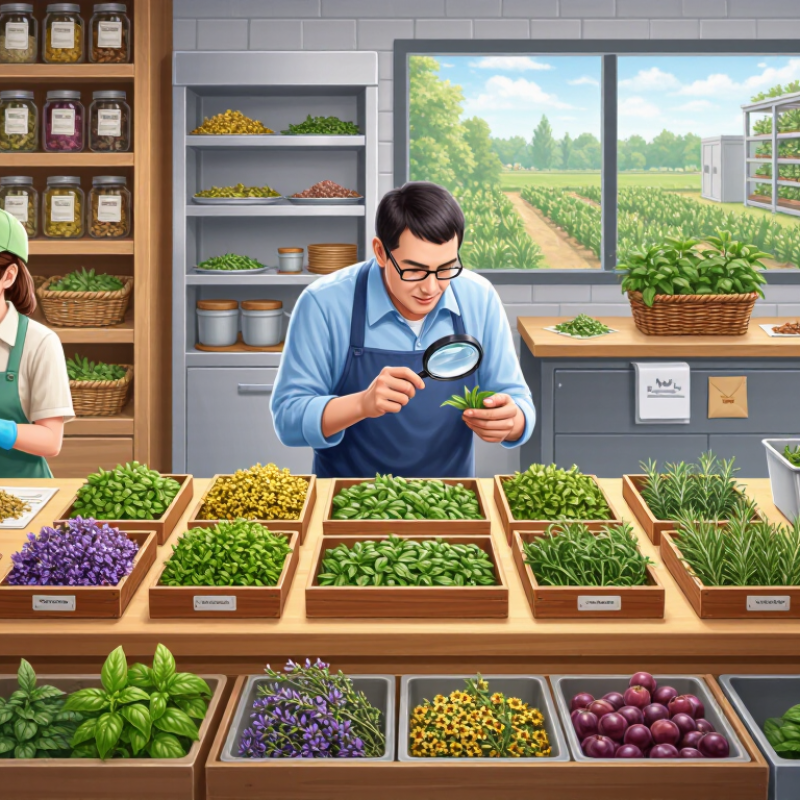
A herb supplier is a business that sources, prepares, and sells herbs to food makers, retailers, restaurants, and other buyers. Its work often begins with matching a requested herb to a suitable harvest, then continues through cleaning, sorting, drying, cutting, and packing. Some suppliers offer whole leaves, while others provide flakes, powders, or custom blends.

A reliable supplier provides more than a bag of herbs. Buyers may receive details about the plant’s origin, harvest or lot identification, processing method, storage guidance, and available quality checks. For example, a shipment of dried mint should arrive in sealed packaging, with a clear lot code and leaves that smell fresh rather than damp or stale. Samples can help buyers assess aroma, color, and cut size before placing a larger order. The exact documents and tests available vary, so it is sensible to ask what each record covers.

Good communication matters, too. A supplier should explain lead times, minimum order quantities, packaging options, and how it handles quality concerns. Ask how herbs are stored and protected from moisture, pests, and strong odors. Details matter. Even careful sourcing cannot make every harvest identical; weather and growing conditions can change color or flavor. A supplier’s records may look complete, yet the product still deserves a practical check. That small step can prevent an avoidable mismatch.

Common Types of Herbs and Supplier Products

Herb suppliers handle leafy aromatics such as basil, oregano, thyme, mint, parsley, and rosemary. Products may be sold fresh in chilled bunches, dried as whole leaves or flakes, or ground for blends. Some suppliers also offer herb oils and extracts for food manufacturing. The form changes the buying decision: fresh mint bruises easily, while dried oregano needs protection from moisture and light. Ask about harvest dates, batch identification, origin, and storage guidance. Practical checks matter.

Supplier catalogs often include single herbs, custom blends, bulk food-service packs, and retail-ready sachets. Grand View Research estimated the global spices and seasonings market at USD 21.48 billion in 2022, with projected annual growth of 6.5% from 2023 to 2030. MarketsandMarkets estimated USD 21.3 billion in 2022, forecasting USD 27.4 billion by 2027. These reports cover broader categories, not herbs alone, and use different market definitions. Still, they show why buyers compare consistency and format, not just price. A green color is not proof of freshness. I would also check aroma from a newly opened sample, though one sample cannot represent every batch.

How Herbs Are Sourced, Processed, and Distributed

What Is a Herb Supplier? How Herbs Are Sourced, Processed, and Distributed

A herb supplier connects growers and harvesters with food makers, retailers, and other buyers. Reliable sourcing starts with knowing what plant is being purchased, where it grew, and when it was harvested. Suppliers may work with farms or specialist collectors, then check incoming lots for identity, appearance, aroma, and visible contamination. Records matter. They help trace a batch back to its origin if questions arise.

After intake, herbs are cleaned and dried under controlled conditions to limit excess moisture. Leaves may stay whole, be cut, or be milled to a specified size. Each form suits different uses, but finer material can lose its aroma sooner. That trade-off deserves attention. Samples can be checked for moisture and consistency, though a sample cannot represent every part of a large shipment perfectly.

Finished herbs are packed in clean, protective containers and stored away from heat, light, and damp conditions. Suppliers coordinate delivery schedules and keep batch details linked to shipment records. A careful handoff protects quality, but distribution is not flawless: delays, changing harvest conditions, and natural variation can affect color or strength. Buyers should ask clear questions about origin, handling, and testing, then review the answers against their own needs.

Quality, Safety, and Regulatory Standards

What Is a Herb Supplier?

Quality, Safety, and Regulatory Standards

A herb supplier sources, processes, and distributes plant materials for food, cosmetic, or other permitted uses. Quality starts with clear identification: the botanical name, plant part, country of origin, and harvest details should match the product description. A sack labeled only “mint” leaves too much uncertain. Small details matter.

Reliable suppliers keep batch records and make them available for review. Testing may cover identity, moisture, microbial contamination, pesticide residues, or heavy metals, depending on the herb and its intended use. Ask whether samples represent the actual lot, and whether testing is performed by a qualified laboratory. A certificate can help, but it does not replace sensible questions.

Safety also depends on handling. Herbs stored in damp conditions may spoil; strong light can affect color and aroma. Regulatory requirements vary by location and intended use, so suppliers should understand the rules that apply to their products and provide relevant documentation. No single checklist fits every herb. I would not treat polished paperwork as proof of a sound supply chain; gaps can remain, and those deserve a closer look.

How to Evaluate and Choose a Herb Supplier

What Is a Herb Supplier?

How to Evaluate and Choose a Herb Supplier

A herb supplier sources, processes, and sells fresh or dried plant materials. Choosing one takes more than comparing prices. Handling practices and records influence what arrives in each shipment.

Ask where herbs are grown and how each lot is identified. Reliable suppliers should be able to connect a shipment to a harvest or processing batch. Request current specifications and relevant test reports for identity, moisture, and contaminants. Check that the report matches the lot you plan to buy. Useful evidence. A certificate without a matching lot number tells you less than it seems.

Order a small sample before committing to a large quantity. Check color, cut size, aroma, and packaging, while allowing for natural variation. Aroma alone can mislead. Ask about storage, pest prevention, transport, lead times, and complaint handling. Get key terms in writing; a phone conversation is not a record. No supplier is perfect, and not every document answers every question. Give more weight to traceable records and clear explanations than polished sales language. If answers stay vague, pause and reassess.

FAQS

What does a herb supplier provide?

A supplier sources, cleans, dries, cuts, and packs herbs. Some offer whole leaves, flakes, powders, or custom blends.

What details should a shipment include?

Ask for plant origin, lot identification, processing details, and storage guidance. A clear lot code helps connect the shipment to its records.

How can I check herb quality before ordering more?

Request a small sample. Check its color, cut size, aroma, and packaging. A quick look helps, but it cannot answer everything.

Which quality records are useful?

Request current specifications and relevant reports for identity, moisture, and contaminants. Confirm that each report matches the lot you plan to buy.

What should dried mint smell and look like?

It should smell fresh, not damp or stale. Check that the package is sealed and the leaves look suitable for your needs.

What should I ask about storage and transport?

Ask how herbs are protected from moisture, pests, and strong odors. Details matter. Storage conditions can affect what arrives.

Why can two herb shipments look different?

Weather and growing conditions can change color or flavor between harvests. Natural variation happens, though it may still affect your recipe.

How should I compare suppliers?

Compare traceable records, clear explanations, lead times, minimum quantities, and complaint handling. Put key terms in writing; a phone call is easy to forget.

Conclusion

A Herb Supplier is a business that provides herbs and related products to customers such as food producers, retailers, restaurants, and individual buyers. Its offerings may include fresh or dried herbs, whole leaves, cut or powdered forms, and selected blends. Different herbs suit different culinary and general-purpose needs, so a supplier may offer a broad range of varieties and product formats.

Herbs typically move from growers or harvesters through sorting, cleaning, drying or other appropriate processing, packaging, and distribution. Reliable suppliers use careful handling and storage to help preserve freshness and product consistency. They should also follow relevant quality, safety, labeling, and regulatory standards, with clear information about product origin and handling where available. When choosing a supplier, consider the range and consistency of its products, its sourcing practices, quality controls, documentation, delivery options, and responsiveness. Comparing these factors can help buyers find a dependable partner suited to their needs.


Amelia

Amelia

Amelia is a seasoned marketing professional with a wealth of expertise in our company’s core offerings. With an unwavering passion for driving growth and innovation, she plays a pivotal role in shaping our marketing strategies and enhancing brand visibility. A key aspect of her responsibilities......