What Is a Granules Supplier and How Do You Choose One?

Time:2026-11-17 Author:Madeline
0%

A Granules Supplier provides processed material in small, free-flowing pieces for manufacturing or other industrial uses. The term can cover polymer resin, fertilizer, recycled material, and more, so the first question is simple: which granules does your process actually need? A resin used for injection molding, for example, may require different flow properties and moisture control from material used in extrusion. Small differences matter.

Choosing a supplier is not just a price comparison. Ask for a clear technical data sheet, batch identification, and details about how specifications are checked. If possible, test a sample on your own equipment. Look at particle size, color, dust, packaging, and how consistently the material feeds. These details can reveal problems that a brief sales call will not. A polished brochure is not proof. Documentation and practical testing are more useful.

Reliability also includes communication and delivery. Confirm minimum order quantities, typical lead times, packaging options, and how the supplier handles a delayed shipment or an off-spec batch. Ask whether the quoted product will remain available, especially if changing material would require production trials. The lowest price may not be the lowest cost if quality varies or deliveries arrive late. Still, no checklist can remove every risk; supplier claims deserve verification, and a sample is only a snapshot. A careful comparison helps you find a partner whose material, service, and records fit your real production needs.
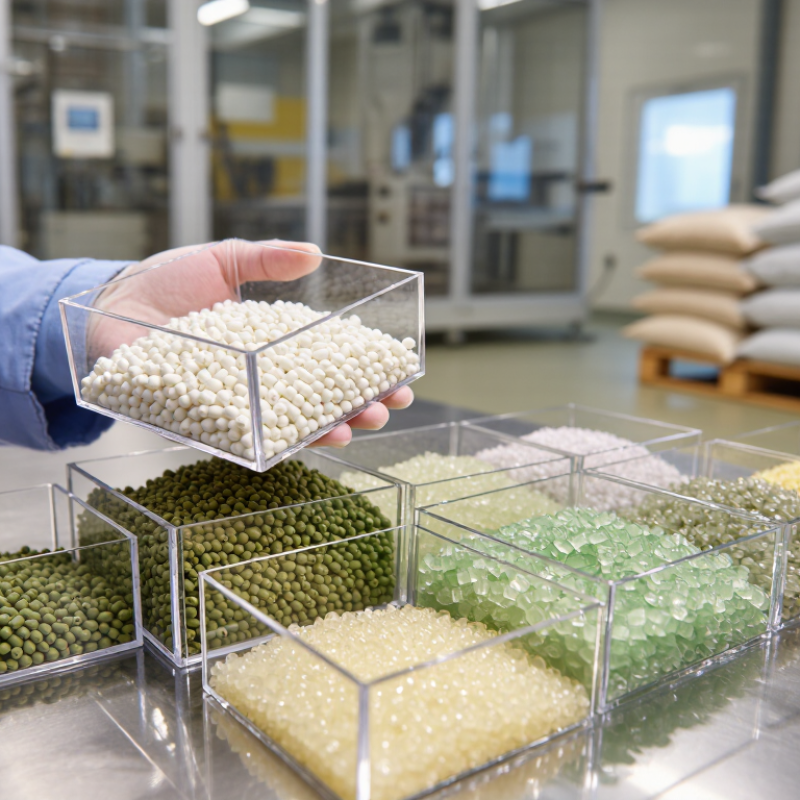
What Is a Granules Supplier and How Do You Choose One?

What a Granules Supplier Is and the Materials It Provides

A granules supplier provides small, solid particles used as raw materials in manufacturing. Depending on the application, these may include plastic, rubber, mineral, fertilizer, or recycled-material granules. Buyers use them to make products such as molded components, coated surfaces, and construction materials. The supplier may also offer drying, screening, blending, or packaging services. Particle size and composition matter. They affect feeding, melting, flow, and the consistency of the finished product.

Ask for a technical data sheet that lists composition, particle-size range, moisture level, and recommended storage conditions. Reliable suppliers should explain how batches are tested and how they handle changes in raw materials. A catalog can look tidy; real batches can vary. Request a sample and compare its appearance and processing behavior with your requirements. It is also sensible to confirm packaging, delivery timing, and traceability before placing a large order. Paperwork helps, but it does not replace a practical trial.

Tips: Keep a sample from each approved batch. Store granules in sealed packaging, away from moisture and heat. If the material clumps, smells unusual, or feeds inconsistently, pause production and contact the supplier.

How Granules Are Produced, Tested, and Delivered

For polymer granules, a supplier does more than sell pellets. It turns a specified resin or recycled feedstock into consistent, traceable material. Production commonly involves melting, extrusion, cooling, and cutting. The process sounds simple. It isn’t. Heat, moisture, or contamination can change how granules perform in a customer’s equipment. The OECD’s 2022 Global Plastics Outlook reports that global plastics production reached 460 million tonnes in 2019, while only 9% of plastic waste was ultimately recycled. That scale makes clear material records and reliable quality checks especially important for recycled inputs.

Ask how each batch is tested, not just whether it has a certificate. Useful checks may include moisture, particle size, contamination, and melt flow, depending on the resin and application. Request the test method, acceptance limits, and a sample report tied to a specific lot. A report should be readable and consistent. Still, a passing result cannot guarantee identical processing on every production line; equipment and storage conditions matter too. For delivery, confirm packaging, batch identification, lead times, and how damaged or damp shipments are handled.

Tips: Compare a trial batch with your actual process. Keep a retained sample, and record lot numbers, test results, and delivery condition. Small details matter. A sealed bag with a clear label can prevent a costly mix-up.

Granule Sizing: Standard Sieve Openings Used in Quality Testing

During production, granules can be screened into size fractions and tested with standard sieves. The bars show nominal ASTM E11 sieve openings—not a measured product batch—so suppliers should confirm that each lot meets the buyer’s specified size distribution.

What to Assess When Comparing Granules Suppliers

When comparing granules suppliers, start with a written specification: material type, size range, moisture limit, color, and intended use. A clear supplier should explain how each batch is checked and provide current test records, such as a certificate of analysis where appropriate. Look for batch numbers that connect documents to the bags or containers you receive. Paperwork matters, but it is not the whole story.

Ask for a sample from a typical production batch, then test it using your own process. Check how evenly the granules flow, whether their size varies, and whether they produce the expected result. Small differences matter. Ask how the supplier stores material, controls contamination, and handles a batch that misses agreed specifications. Also compare lead times, minimum order sizes, packaging, and delivery costs; a low unit price can hide inconvenient fees. Notice how clearly technical questions are answered. Vague replies are a concern, though one awkward email alone may not tell you much. I would avoid judging a supplier from a single sample or polished document. Repeat checks over time give a more dependable picture.

How to Verify a Supplier’s Quality and Compliance

A granules supplier provides material in pellet or particle form for manufacturing, processing, or other industrial use. Before placing an order, ask for a current specification sheet with measurable limits for particle size, moisture, and other relevant properties. Then compare it with a certificate of analysis for the exact production lot. The numbers should match the agreed limits, not just look reassuring. Details matter. Check which test methods were used and whether the report identifies the batch clearly.

Request evidence of quality controls, such as inspection records, calibration schedules, and procedures for handling out-of-specification batches. If a certification is offered, confirm its scope and validity; a certificate alone does not prove that every shipment meets your requirements. Ask how lots are traced from production through packaging, and what notice you will receive if a process changes. A small sample can reveal uneven granules, excess dust, or damaged packaging, but visual checks cannot replace appropriate testing. For critical applications, consider independent laboratory testing against your own acceptance criteria. Requirements vary by material and intended use, so verify applicable standards for your market. I would not treat a polished sales response as proof; asking the same technical questions twice may feel awkward, but inconsistencies are worth investigating.

What Is a Granules Supplier and How Do You Choose One? - How to Verify a Supplier’s Quality and Compliance

Verification Area What to Request How to Verify Good Evidence Warning Signs
Product specification Current technical data sheet and agreed acceptance limits for the specific granule grade. Compare stated properties with your process needs and purchase specification. Defined test methods, units, tolerances, revision date, and grade identification. Vague descriptions, missing test methods, or specifications that change without notice.
Batch quality and consistency A recent certificate of analysis (CoA) for a representative lot and a sample for evaluation. Check that the CoA identifies the lot, test results, units, test methods, and release status; compare results with agreed limits. Lot-specific results and documented controls for out-of-specification material. A generic CoA reused for multiple lots or results without traceable lot information.
Quality management system Quality-system details and, if relevant to your requirements, a current certificate such as ISO 9001. Confirm the certificate’s scope, site, validity dates, and issuer with the certification body or its directory. A valid certificate covering the relevant activities and production location. Expired documents, unclear scope, or a certificate that does not cover the supplied site or activity.
Regulatory and safety documents A current safety data sheet (SDS) and applicable declarations for the product, destination, and intended use. Review the SDS format and content against the rules applicable in the destination market; confirm product-specific claims with supporting documents. Documents identify the material and revision date, with regulatory statements relevant to the intended market. Blanket compliance claims without evidence or documents that refer to a different material or market.
Traceability and change control Lot coding, traceability procedures, and a written process for notifying customers of material or process changes. Ask how a delivered lot can be traced to production records and how a mock recall or trace exercise is handled. Consistent lot identifiers and documented procedures for traceability and change notification. No lot-level records or unannounced changes to formulation, process, or production location.
Contamination and handling controls Information on contamination prevention, storage conditions, packaging, and handling controls relevant to the material. Review procedures and inspect the facility or request an audit when risk and purchasing volume justify it. Documented cleaning, segregation, packaging integrity, and storage practices appropriate to the product. Unclear handling controls or packaging that is damaged, unsealed, or unsuitable for transport.
Supplier capability and continuity Production capacity, lead times, minimum order quantities, and contingency arrangements for supply interruptions. Compare commitments with your forecast and confirm lead times, order terms, and escalation contacts in writing. Transparent capacity information and a practical plan for communicating delays or shortages. Unconfirmed delivery promises or inconsistent answers about capacity and continuity.
Commercial and sample evaluation Written quotation, sample terms, packaging details, and agreed criteria for sample approval. Test the sample under relevant production conditions and align commercial terms with the approved specification. A documented sample assessment, clear pricing basis, and written agreement on product requirements. Pressure to place an order before technical review or unclear charges and acceptance terms.

Note: Compliance requirements depend on the granule type, intended application, and destination market. Confirm applicable obligations with qualified regulatory or legal professionals.

How to Select a Supplier for Your Application and Supply Needs

A granules supplier should match the material to your process, not just offer an attractive price. Start by describing the application: the equipment used, operating temperature, required strength, and expected finish. Ask for a specification sheet covering particle size, moisture limits, and other properties that affect processing. Details matter. A small variation can cause uneven feeding or a rough surface.

Request a sample and test it under conditions close to your normal production run. Check whether the supplier can provide batch records, quality certificates, and clear guidance when a result falls outside specification. In practice, a neat datasheet cannot show exactly how a batch will behave on your line. That part takes testing, and sometimes a second test is wise. I would not skip it just to save a few days.

Then compare supply terms with your actual demand. Confirm minimum order quantities, packaging, delivery windows, and how much notice is needed for repeat orders. Ask how shortages or delayed shipments are handled, and whether the supplier can keep specifications consistent across deliveries. A low unit price may not help if storage space is limited or lead times are unpredictable. Be candid about your forecast, but leave room for changes; forecasts are rarely perfect. Choose a supplier whose technical support and communication fit the application as well as the purchasing schedule.

FAQS

How are polymer granules typically produced?

Resin or recycled feedstock is melted, extruded, cooled, and cut into pellets. Small process changes matter.

Which tests should I ask about?

Ask about moisture, particle size, contamination, and melt flow when relevant. Request test methods and acceptance limits. One test rarely tells the whole story.

What should a useful batch report include?

It should show results linked to a specific lot number. Compare the report with the label on each bag. Clear records help prevent mix-ups.

Can a passing test guarantee smooth production?

No. Equipment, storage, and handling can affect results. A passing report is useful, but not a promise.

How can I check whether granules suit my process?

Test a sample using your own equipment. Watch how evenly it flows and whether the finished material meets expectations. Keep notes.

What details should I compare between suppliers?

Compare specifications, lead times, minimum order sizes, packaging, and delivery costs. A low unit price may come with extra fees.

How should granules be stored and delivered?

Ask how material is stored and protected from moisture or contamination. Confirm packaging, lot identification, and how damaged shipments are handled. Check the bags on arrival.

How much should I trust one sample or document?

Use both as evidence, not a final verdict. Repeat checks over time. I might give paperwork too much weight; actual production results deserve attention too.

Conclusion

A Granules Supplier provides granulated materials for manufacturing and other industrial applications, with options that may vary in composition, size, shape, and performance. Understanding how granules are made, tested, packaged, and delivered helps buyers assess whether a supplier can meet their technical requirements and production schedule. Consistent quality and dependable supply are important because variations in material properties can affect processing and finished products.

When comparing suppliers, consider their quality-control processes, testing documentation, production capacity, delivery reliability, and ability to provide clear information about materials and compliance. Ask how batches are checked and whether relevant specifications can be verified before placing an order. The right Granules Supplier is one whose materials suit your application and whose service, communication, and supply arrangements align with your needs. Comparing these factors can help you make a practical, well-informed choice.


Madeline

Madeline

Madeline is a dedicated marketing professional with a wealth of expertise in our company's core offerings. With a keen understanding of the industry, she brings a unique perspective to her role, consistently delivering high-quality content that highlights the superior aspects of our products. As......