The bulk herbs industry has grown significantly over the years. According to recent reports, the global market is expected to reach $4.2 billion by 2025. This surge is driven by a growing demand for natural remedies and culinary herbs. Industry experts emphasize the importance of efficient sourcing strategies.
Dr. Emily Green, a noted authority in herbal procurement, states, "Sourcing bulk herbs requires both precision and knowledge." Effective sourcing can enhance quality while reducing costs. However, many businesses struggle to navigate the complexities of this supply chain. There's an increasing need for transparency and trustworthiness in supplier relationships.
Navigating the bulk herbs market is not straightforward. Sourcing without proper research can lead to subpar quality. It's essential to understand market trends, certifications, and herb specifications. Honest communication with suppliers fosters reliable connections. Taking time to refine sourcing processes can yield positive outcomes. In this rapidly evolving market, businesses must adapt to thrive.
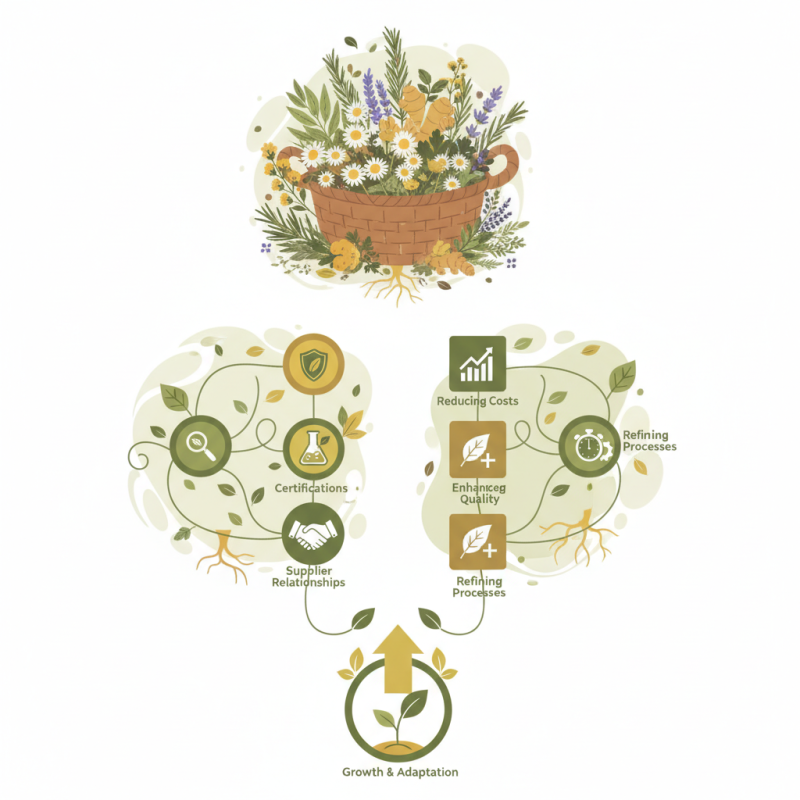
Sourcing bulk herbs efficiently plays a vital role in various industries, from culinary to medicinal. Understanding the importance of sourcing can enhance product quality and reduce costs. According to a report from the Specialty Food Association, the demand for herbs is projected to grow by 8% annually. This growth underscores the need for reliable sourcing methods.
When sourcing herbs, transparency is key. Many suppliers do not disclose sourcing practices. This lack of transparency can affect quality. A study by the American Botanical Council highlighted that 30% of herbal products tested did not match their labeled contents. By seeking suppliers who prioritize quality and ethical practices, businesses can ensure they offer safe and effective products.
Geographical factors also influence herbal sourcing. Regions known for specific herbs may offer better quality and lower prices. However, fluctuations in climate and political stability can disrupt supply chains. A reflective approach is needed here. Businesses must stay informed about regional developments. This awareness can help mitigate risks in sourcing and ensure a steady supply of high-quality herbs.
When considering bulk herbs, finding reliable suppliers is crucial. Quality herbs can greatly influence your product’s effectiveness and customer satisfaction. Start by researching potential suppliers thoroughly. Look for reviews and testimonials. A supplier with positive feedback often indicates reliability.
Network within the herbal community. Attend trade shows or local markets. Engaging directly with suppliers can provide insight into their quality and practices. Do not hesitate to ask for samples before committing to a larger order. Testing herbs ensures they meet your standards.
Establish clear communication. Reliable suppliers will respond promptly and professionally. They should be transparent about their sourcing methods and quality control processes. Don’t overlook the importance of certifications. These can validate their practices but also give you reassurance about their operation. If a supplier seems evasive, trust your instincts and explore other options.
When sourcing bulk herbs, evaluating quality standards is crucial. Many buyers overlook this aspect, leading to subpar products. According to recent industry reports, 78% of herb suppliers fail to meet established quality benchmarks. This statistic highlights the importance of implementing rigorous quality assessments before procurement.
Quality can be gauged through multiple factors. Look for certifications that confirm herb authenticity and safety. For instance, the USDA Organic certification ensures the herbs are free from synthetic additives. Additionally, consider testing for contaminants like heavy metals and pesticides. A study found that nearly 15% of herbal products contained harmful residues, raising concerns about consumer safety.
Engaging with suppliers is vital. Ask them about their sourcing practices and transparency in reporting. While many suppliers may provide basic information, less than 30% offer detailed quality control processes. This lack of transparency can be a red flag. Remember, building a reliable supply chain requires diligence and active engagement with producers. Reflection on one's procurement strategies can lead to improved sourcing practices and better product outcomes.
When negotiating bulk herb prices, having a solid understanding of your market is crucial. Research current trends and price ranges. Compare suppliers and gather insights from industry reports. This knowledge gives you leverage during negotiations. Make sure to establish a clear budget upfront. Having a defined limit helps prevent overspending.
Communication plays a key role in negotiations. Be transparent about your needs and expectations. Offer to share your buying patterns with suppliers. Building a trustworthy relationship can lead to better deals in the long run. Additionally, don’t shy away from discussing potential price breaks for larger orders. This can incentivize suppliers to provide favorable pricing.
Sometimes, suppliers may counter your offers with prices that seem high. Reflect on their reasoning and be open to finding common ground. It’s important to be flexible while standing firm on essential aspects. A successful negotiation requires patience and a willingness to adapt. Keep the lines of communication open and foster a collaborative environment.
| Tip | Description | Source | Estimated Price Range ($/lb) |
|---|---|---|---|
| Research Suppliers | Investigate and compare multiple suppliers for quality and pricing. | Herb Industry Reports | 10-20 |
| Negotiate Bulk Discounts | Inquire about discounts for larger orders to maximize savings. | Supplier Outreach | 15-25 |
| Evaluate Quality | Request samples to assess the quality of herbs before making a purchase. | Quality Assessment Protocols | N/A |
| Build Strong Relationships | Establish rapport with suppliers for better service and terms. | Networking Conferences | N/A |
| Stay Informed | Keep up with market trends and pricing to leverage negotiation. | Market Analysis Websites | 8-18 |
When sourcing bulk herbs, logistics and storage are crucial factors that can affect quality and efficiency. Proper handling ensures that the herbs retain their potency and flavor. Temperature control is essential. Keeping herbs in a cool, dry environment prevents mold and preserves freshness.
Consider investing in airtight containers. This helps avoid moisture exposure and keeps the herbs aromatic. Labeling containers properly will aid in tracking expiration dates and usage. Remember that herbs have a finite shelf life. Regular inventory checks are necessary. They help in minimizing waste and ensuring you use herbs at their best.
Effective transportation methods can save time and costs. Using climate-controlled transport can protect herbs during transit. Packing herbs properly can prevent damage. Over-packing can lead to crushed or compromised herbs. Therefore, always assess your packing strategies. Pay attention to the balance of quality and cost throughout the supply chain. It's an ongoing process that requires reflection and adjustment.
: Sourcing bulk herbs enhances product quality and reduces overall costs. Reliable sourcing methods are essential as demand grows.
Transparency affects quality. Many suppliers don’t disclose sourcing practices, impacting the effectiveness of herbal products.
Regions known for specific herbs may provide better quality. However, climate changes and political issues can disrupt supply chains.
Research market trends and price ranges. Having this knowledge gives you leverage during the negotiation process.
Be transparent about your needs. Sharing your buying patterns can build trust and may lead to better deals.
Reflect on their reasoning and be open to compromise. Flexibility can help achieve a mutually beneficial agreement.
Establish a clear budget. Knowing your limits will help you negotiate more effectively and prevent overspending.
Yes, patience is crucial. Successful negotiations require time and a willingness to adapt to changing circumstances.
Always prioritize suppliers who value quality and ethical practices. Reflect on the importance of sustainability in sourcing.
Yes, fluctuations can have serious impacts on supply. It’s important to stay informed about regional developments.
Sourcing bulk herbs efficiently is crucial for businesses looking to maintain quality and competitiveness in the market. Understanding the importance of sourcing involves identifying reliable suppliers who can provide high-quality products consistently. Evaluating quality standards is essential in bulk herb procurement, as this ensures that the herbs meet safety and efficacy requirements.
Effective negotiation strategies can help secure better prices for bulk herbs, ultimately impacting the bottom line. Additionally, logistics and storage considerations are vital to prevent spoilage and preserve the integrity of the herbs. By focusing on these key areas, businesses can streamline their processes and establish a robust supply chain for bulk herbs, thereby enhancing their overall operations.

Neo-Green Herbs