Why Choosing the Right Herb Supplier Matters for Your Business?

Time:2026-06-16 Author:Sophia
0%

Choosing the right Herb Supplier is pivotal for any business in the herbal product market. According to a recent report by the Herbal Industry Association, the global herbal supplement market is projected to reach $3.5 billion by 2027. This growth highlights the need for reliable sources of quality herbs. Experts like Dr. Emily Thompson, a renowned herbalist, emphasize, “The success of herbal businesses heavily relies on the quality and consistency provided by their suppliers.”

The relationship with an herb supplier can impact product quality, pricing, and ultimately customer satisfaction. If a supplier offers inconsistent quality, businesses may face significant challenges in maintaining their reputation. Data from market analysis shows that 70% of customers are willing to switch brands if they experience low product quality. This statistic underscores the importance of choosing a trusted partner.

Reflection is necessary in this fast-evolving industry. Finding an ideal herb supplier requires thorough research and due diligence. Not every supplier meets the expected standards. Businesses must be vigilant in assessing their suppliers to avoid pitfalls. Making informed choices about herb sources can lead to long-term success in a competitive market.
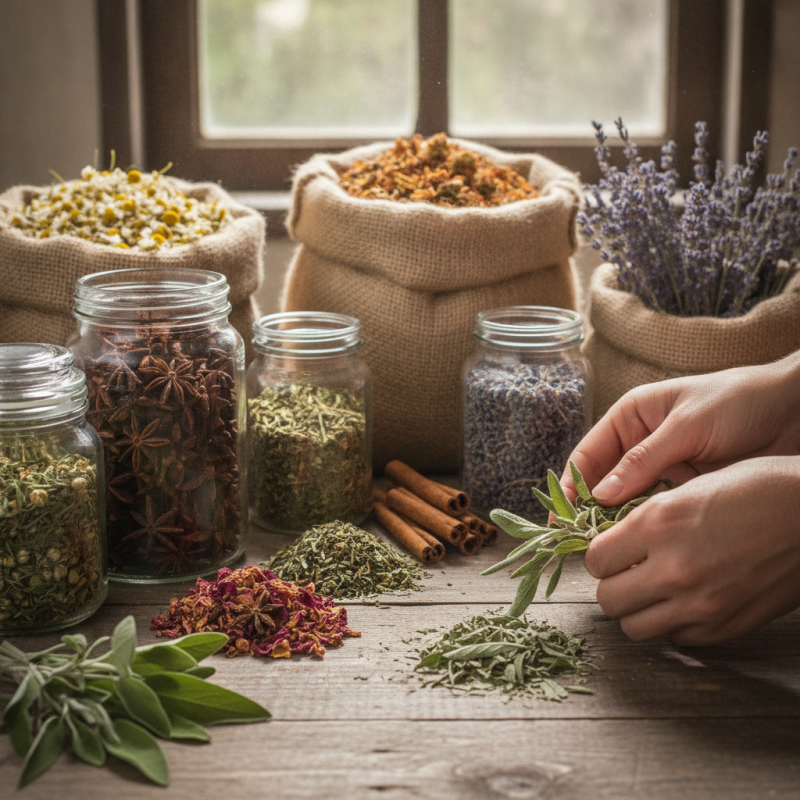
Why Choosing the Right Herb Supplier Matters for Your Business?

Understanding the Importance of Quality Herbs for Your Business

Choosing the right herb supplier directly impacts your business. Quality herbs enhance your product offerings and improve customer satisfaction. When herbs are fresh and potent, they elevate flavors and provide the therapeutic benefits that customers seek. After all, low-quality herbs can ruin a recipe and harm your brand's reputation.

Tips for selecting a reputable supplier: Look for those who prioritize quality sourcing. Ask about their cultivation practices and certifications. Visiting their farms or facilities can give you insight into their operations and commitment to quality. It’s essential to trust your supplier.

Consider the variety they offer. A diverse herb selection enables you to create unique products. However, not all herbs are easy to source. Reflect on the freshness and the supply chain. An unreliable supplier may lead to inconsistent quality. This can affect everything from taste to health claims, so choose wisely.

Identifying the Key Qualities of a Reliable Herb Supplier

Choosing the right herb supplier can profoundly influence your business's success. A reliable supplier not only ensures quality but also provides consistency. In an industry where 70% of consumers prioritize natural ingredients, quality assurance becomes critical.

Key qualities of a dependable herb supplier include transparency and sourcing practices. Suppliers should be open about where and how they harvest their herbs. Research shows that 68% of businesses that use certified organic herbs report higher customer satisfaction. Trust is built when suppliers can verify their claims through third-party certifications or lab tests.

Furthermore, the supplier's ability to meet demand is essential. A surprising 55% of businesses have faced delays in product delivery due to unreliable suppliers. This can hinder sales and damage reputations. Flexibility and capacity to scale with your business will help you navigate market fluctuations. Remember, your choice of supplier reflects your brand’s commitment to quality and customer trust.

Why Choosing the Right Herb Supplier Matters for Your Business?

Quality Criteria Importance
Herb Purity No fillers or additives Ensures safety and efficacy
Sourcing Practices Sustainable and ethical sources Supports environmental responsibility
Testing and Certification Third-party lab tests Verifies quality and safety
Customer Service Responsiveness and support Affects overall satisfaction
Product Range Variety of herbs offered Provides options for different needs
Price Structure Competitive and clear pricing Ensures budget adherence

Evaluating Supplier Credentials and Certifications

When selecting an herb supplier, evaluating their credentials is crucial. Certified organic suppliers often reflect higher quality standards. According to the Organic Trade Association, organic herb sales increased by over 10% in the past year. This surge highlights consumer demand for genuine, safe products. It’s essential to verify that suppliers have appropriate certifications like USDA Organic or Non-GMO Project Verified.

Buyers should also assess suppliers' industry experience. A supplier with at least five years in the field may indicate reliability. An analysis by Research and Markets showed that experienced suppliers tend to have lower rates of product recalls or customer complaints. Their understanding of sourcing and quality control can greatly affect your business's reputation.

Tip: Always request documentation for certifications. This step can save you potential compliance issues later.

Questions to ask include: How do they handle product testing? Do they have a system for traceability? Suppliers with robust testing processes demonstrate a commitment to safety. Make sure your partner aligns with your business values.

Importance of Herb Supplier Credentials

Exploring the Impact of Supplier Relationships on Business Success

Choosing the right herb supplier can significantly influence your business's success. Research indicates that 70% of companies face supply chain disruptions, leading to financial losses. The relationship between suppliers and businesses can affect product quality and availability. A solid partnership fosters trust and reliable communication. This is essential in maintaining consistent inventory levels and meeting customer demand.

A recent industry report highlighted that businesses with strong supplier relationships see a 15% increase in overall efficiency. When suppliers understand your needs, they can provide tailored solutions. This dynamic enhances innovation and can lead to new product development. Conversely, relying on a subpar supplier can result in delayed shipments and compromised quality. Such issues can tarnish your brand's reputation.

In today’s competitive marketplace, suppliers are more than just vendors; they are strategic allies. A study by the Institute for Supply Management found that 58% of businesses prioritize long-term relationships with suppliers. Trust and collaboration ultimately drive success. Failing to nurture these relationships can lead to missed opportunities and setbacks. Exploring better partnerships may require some trial and error. However, the payoff is often worth the effort.

Strategies for Building Long-Term Partnerships with Herb Suppliers

Building strong partnerships with herb suppliers is crucial for business success. According to a recent industry report, 70% of businesses in the herbal sector claim that reliable suppliers significantly impact their operations. Establishing long-term relationships can lead to better pricing, consistent quality, and a more stable supply chain. Many companies overlook the importance of regular communication. Suppliers appreciate transparency, and sharing business goals creates a collaborative atmosphere.

Regularly evaluating supplier performance is vital. The same report highlights that 40% of businesses conduct annual reviews of their herb suppliers. These evaluations should focus on quality standards, delivery times, and responsiveness. A step that often gets neglected is seeking feedback from staff who interact with suppliers. This can provide valuable insights into supplier reliability and product quality.

Another strategy involves engaging in joint projects with suppliers. This could be product development or marketing initiatives. Sharing growth strategies fosters loyalty and encourages suppliers to prioritize your needs. According to industry experts, such partnerships can lead to a 30% increase in sales for businesses that invest in them. Reflecting on these elements is essential for optimizing your supplier network. Building resilience through strong supplier relationships can set a business apart in a competitive market.

FAQS

: Why is it important to evaluate supplier credentials?

: Evaluating supplier credentials ensures you partner with reliable sources that meet quality standards and certifications.

What certifications should herb suppliers have?

Suppliers should ideally have certifications like USDA Organic or Non-GMO Project Verified to guarantee product safety.

How does supplier experience impact reliability?

Suppliers with over five years of experience typically demonstrate better reliability and lower rates of product recalls.

What questions should I ask potential suppliers?

Ask about their product testing methods and traceability systems to gauge their commitment to safety and quality.

How do supplier relationships affect business performance?

Strong relationships with suppliers can lead to improved efficiency and consistent product quality, positively impacting your business.

What role does communication play in supplier partnerships?

Regular and transparent communication fosters trust and collaboration, which can enhance the overall partnership.

How can I evaluate supplier performance?

Regular reviews focusing on quality, delivery, and responsiveness can help assess supplier effectiveness.

Why is feedback from staff important?

Staff insights on suppliers can reveal strengths and weaknesses, aiding in decision-making for supplier relationships.

What benefits can joint projects with suppliers bring?

Engaging in joint projects can enhance loyalty and lead to better alignment with your supplier's priorities.

What challenges might arise in supplier relationships?

Neglecting communication or failing to nurture relationships can lead to missed opportunities and potential setbacks.

Conclusion

Choosing the right herb supplier is crucial for any business that relies on quality herbal products. Quality herbs not only enhance your offerings but also build credibility with your customers. Understanding the importance of sourcing high-quality herbs involves identifying a reliable herb supplier who possesses the necessary certifications and credentials. Evaluating these factors ensures that you partner with suppliers who adhere to quality standards and ethical practices.

Furthermore, the relationship you cultivate with your herb supplier can significantly influence your business success. Establishing strong, long-term partnerships can lead to better pricing, consistent supply, and collaborative opportunities. By focusing on building trust and communication with your herb supplier, your business can thrive in a competitive market.


Sophia

Sophia

Sophia is a dedicated marketing professional with an exceptional depth of knowledge about her company's products and services. With a keen understanding of market trends and customer needs, she crafts insightful blog posts that not only inform but also engage readers, enriching the company’s online......