Selecting the right Herb Granules can significantly influence your culinary outcomes. In the booming herb and spice market, growing by over 5% annually, the demand for quality granules has surged. According to a report from the Spice Association, approximately 30% of consumers prioritize convenience and flavor in their herb selections.
Expert chef and herbalist, Dr. Emily Carter, emphasizes, "Quality Herb Granules enhance flavors while simplifying meal prep." This insight reflects a trend where busy individuals seek efficiency without sacrificing taste. However, not all granules are created equal.
Many products on the market lack consistency in flavor and quality. Consumers often face confusion due to misleading labels. When choosing Herb Granules, it’s crucial to consider sourcing, processing methods, and ingredient integrity. A slight oversight can lead to a less satisfying cooking experience. The importance of making informed choices cannot be overstated.
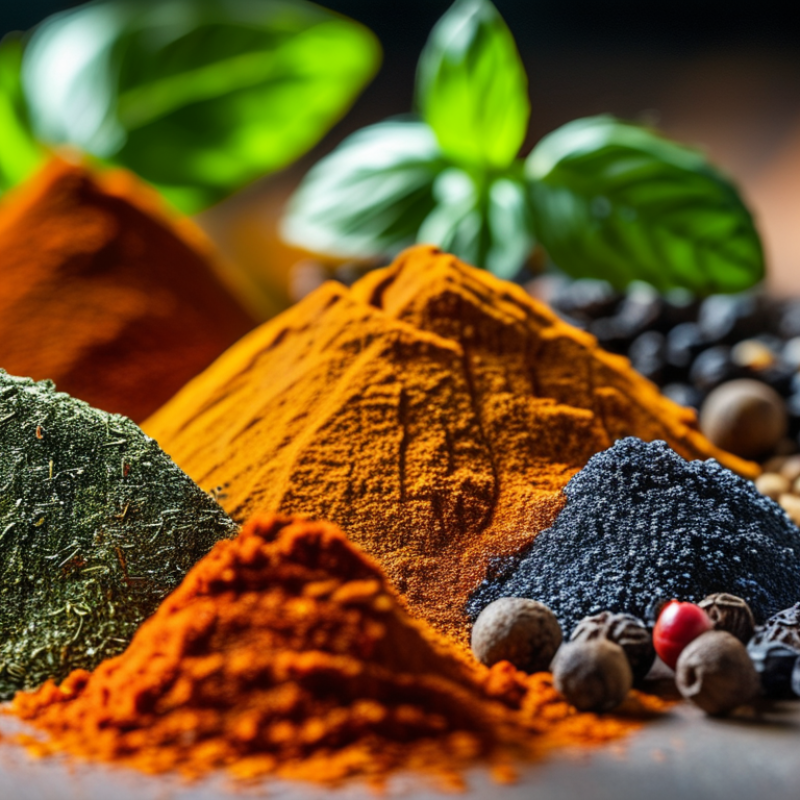
When selecting herb granules, it's crucial to understand the variety available. Herb granules can be categorized into several types, each serving unique culinary purposes. For instance, dehydrated herbs, like basil or parsley, bring a concentrated flavor. These are ideal for soups or stews, where they can rehydrate and release their essence.
Another option is blended herb granules. These often combine multiple herbs and spices for a distinct flavor profile. They are perfect for marinades or seasoning mixes. However, their flavors can sometimes overpower a dish. It's important to consider balance when using these blends.
Lastly, there are organic herb granules. They usually lack preservatives and additives. Choosing organic might benefit health-conscious consumers. However, they may be more expensive and less shelf-stable. Remember, the best choice depends on your cooking style and needs. Reflect on your usual recipes to determine what will enhance your meals most effectively.
When selecting herb granules, several key factors can significantly influence your culinary experience. The freshness of the herbs is paramount. Fresh herbs pack more flavor and essential oils. According to a 2022 industry report, granules made from recently harvested herbs retain 70% of their flavor compared to older options, which can lose potency over time.
Another consideration is the granule size. Finer granules integrate easily into mixes and sauces, while larger granules add texture. A 2023 market analysis highlighted that chefs often prefer medium-sized granules for versatility. These provide a good balance between flavor release and texture, making them ideal for various dishes.
Also, check the sourcing practices. Herbs from sustainable farms tend to be of higher quality. Ethical sourcing can affect the taste and aroma of the granules. The 2021 Sustainable Herbs Program found that herbs grown under optimal conditions yielded a 50% increase in flavor compared to conventionally grown herbs. Therefore, investing time in selecting granules based on these factors can enhance your cooking outcomes tremendously.
When selecting herb granules, sourcing the right ingredients is crucial. High-quality herb granules often come from trusted suppliers. Ideally, these suppliers should be transparent about their growing practices. It’s essential to know where the herbs are sourced. Local farms often provide fresher options than those grown overseas. Look for suppliers that prioritize sustainable farming methods. This not only supports local economies but also guarantees better flavor and nutrition.
Ingredient sourcing plays a vital role in the granules' potency. Freshly harvested herbs retain more essential oils and nutrients compared to older stock. When herbs are processed and dried quickly, they maintain their character. It's important to pay attention to the color and aroma of the granules. Granules with vibrant colors and a strong scent often indicate higher quality. A lack of aroma may raise concerns about freshness and potency.
However, not all suppliers uphold high standards. Some may use lower-quality ingredients to cut costs. This can lead to a subpar flavor experience. It’s wise to research and read reviews, but remember that not all reviews tell the full story. Thoroughly assessing the sourcing practices of your preferred brands can guide you toward making informed choices. Prioritize quality over convenience, and don’t hesitate to ask questions about ingredient origins.
When selecting herb granules, consider how their flavor profiles interact with your dishes. Not all herbs complement every culinary creation. For instance, rosemary offers a robust and earthy taste, making it ideal for roasted meats. Conversely, basil adds a fresh and sweet note, perfect for sauces and salads. The key lies in understanding these nuances.
Flavor intensity is also crucial. Some granules are potent, while others are subtle. Use stronger herbs sparingly. Imagine using too much thyme in a delicate chicken dish. The dish could become overwhelmed, losing its harmony. On the other hand, adding a hint of dill can elevate your cream-based sauces. Think about balance.
Consider experimenting. Taste the herbs individually before combining them. This helps you identify which flavors you enjoy. Trust your palate. Sometimes, the perfect match might surprise you. Reflect on your choices. Are they enhancing your meals, or do they need adjustment? Explore various combinations to discover what truly works for you.
When evaluating herb granules, cost and quality are crucial. Many consumers assume a higher price equals better quality. This isn’t always true. Some affordable options offer fantastic flavor and potency. It's essential to assess what works best for your cooking style. Sometimes, less is more.
Researching the ingredients helps too. Quality granules contain pure herbs without additives. Look for products that list all ingredients clearly. This transparency signals reliability. Be cautious of brands that use vague terms or additives. You want to savor pure flavor, not fillers.
Taste tests are invaluable. Experiment with different brands to identify your favorites. A less expensive granule might surprise you with its bold flavors. While premium options often boast exceptional quality, finding a balance between cost and taste is vital. Reflect on what you value most—cost-effectiveness, flavor depth, or sourcing methods. Your preferences define the best choice for you.
| Herb Type | Quality Rating (1-5) | Price per Ounce ($) | Organic Certification | Usage Recommendations |
|---|---|---|---|---|
| Basil | 4 | 1.50 | Yes | Pasta, Pizza, Salads |
| Oregano | 5 | 2.00 | No | Italian Dishes, Marinades |
| Thyme | 4 | 1.75 | Yes | Soups, Stews, Roasted Veggies |
| Parsley | 3 | 1.25 | Yes | Garnish, Salad Dressings |
| Cilantro | 4 | 1.80 | No | Salsas, Thai Dishes |
: Herb granules are concentrated forms of herbs used for flavoring dishes. They come in various types for different culinary needs.
Dehydrated herbs, like basil or parsley, deliver concentrated flavors. Blended granules mix multiple herbs, creating unique profiles.
Yes, blended granules can sometimes dominate the flavor. Balance is essential to prevent overpowering other ingredients.
Organic herb granules lack preservatives and additives, appealing to health-conscious cooks. However, they may be pricier and less stable.
Consider the flavor profiles of each herb. Match them to your dishes for complementary flavors that enhance your meals.
Flavor intensity varies. Strong herbs should be used sparingly to avoid overwhelming delicate dishes, ensuring harmony in flavors.
Yes, tasting herbs alone allows you to find your favorite combinations. Reflection on choices can enhance your culinary experience.
Overusing thyme can overshadow subtle flavors, disturbing dish balance. Always consider the overall harmony of your meal.
Adding a hint of dill can enhance cream-based sauces, providing freshness and balance. Small adjustments can lead to great improvements.
Reflect on typical recipes you prepare. Identifying common flavors helps guide your herb selection for better meal enhancement.
When choosing the best herb granules for your culinary needs, it's essential to understand the various types available in the market. Each type offers unique flavors and aromas, which can significantly impact your dishes. Key factors to consider include the specific culinary uses, ingredient sourcing, and the flavor profiles of the granules. High-quality herb granules are sourced from reputable suppliers who prioritize freshness and purity.
Additionally, it's crucial to balance cost and quality, as this can affect your cooking experience and the overall success of your recipes. By analyzing the different flavor profiles and matching them with your specific culinary requirements, you can enhance your dishes and elevate your cooking. Ultimately, selecting the right herb granules will ensure that your meals are flavorful and satisfying.

Neo-Green Herbs