In the competitive world of health and wellness, choosing the right Private Label Supplements can be a daunting task. Industry expert Dr. Emma Hart, a renowned nutritionist, once stated, “Quality and reliability are key when selecting private label products.” This highlights the importance of informed decisions in this sector.
Private Label Supplements offer a unique opportunity for businesses. They allow brands to create their identity and cater to specific customer needs. However, not all products are created equal. Understanding the production process and sourcing quality ingredients is crucial. Many newcomers overlook these aspects, leading to costly mistakes.
A solid product line can elevate a brand. Yet, finding trustworthy manufacturers is often a challenge. Engaging with suppliers is vital for establishing reliable partnerships. Building your Private Label Supplements brand requires diligence and the right strategies. Consider your target market and their preferences before making decisions. Honesty and research can make a genuine difference.
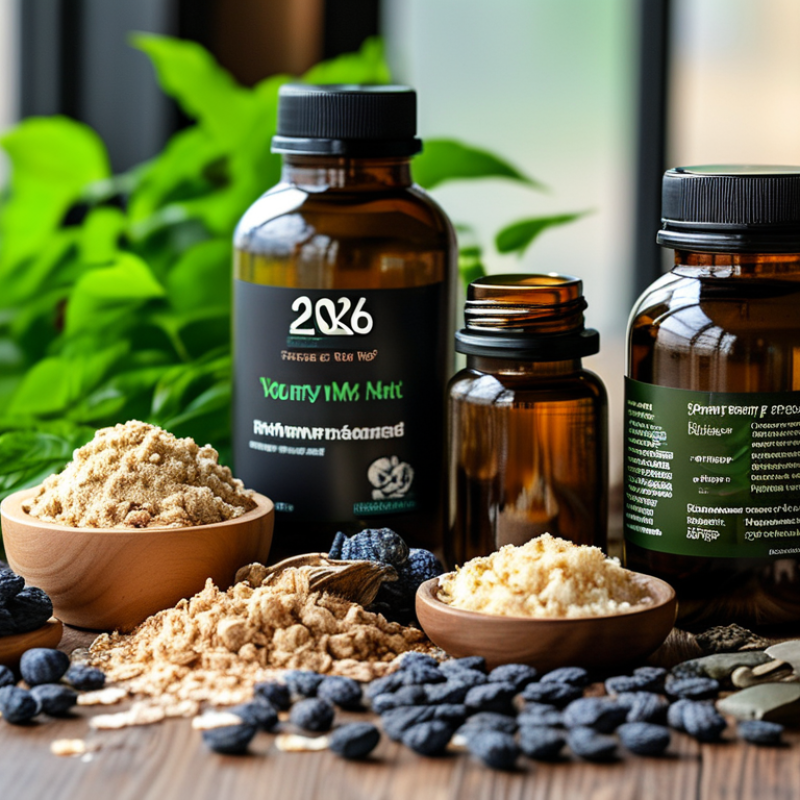
When selecting private label supplements, understanding the basics is crucial. Private label supplements are products manufactured by one company and branded by another. They allow businesses to offer unique products without the complexities of production. This approach can boost your brand and increase consumer trust.
Consider your target market when choosing supplements. Know their needs and preferences. Research trending ingredients that resonate with your audience. For example, if you focus on fitness enthusiasts, whey protein or BCAAs might appeal to them. Speak directly to your consumers through packaging and marketing. Use clear and concise language that conveys the benefits.
Tip: Always request samples from manufacturers before committing. This allows you to evaluate quality and effectiveness. Look for transparency in ingredient sourcing. A well-documented supply chain and third-party testing can enhance credibility. Another point to reflect on: pricing should mirror both quality and perceived value. Too high diminishes sales, too low can suggest inferiority. Balancing cost and quality is an ongoing lesson in this industry.
When choosing private label supplements, understanding your target market is essential. A recent report by IBISWorld indicates the vitamin and supplement industry is estimated to reach $63 billion by 2025. Knowing customer preferences can directly impact your sales.
Start by researching demographic trends. Are your potential customers fitness enthusiasts, seniors, or health-conscious parents? Tailoring your products according to their needs is crucial. For instance, millennials prioritize clean ingredients. In contrast, older adults may seek joint health support. Use surveys or focus groups to gain direct insights.
Tips:
Offer multiple formats. Some customers prefer pills, while others like powders or gummies. Diverse options can capture a wider audience.
Also, consider seasonal trends in your marketing strategy. Many consumers increase supplement intake during winter months for immune support. Reviewing sales data can help identify these patterns and inform your product offerings.
Assessing your competition is also vital. Look at their product ranges and customer feedback. This approach can highlight gaps in the market. Identifying these opportunities can set your brand apart, but ensure your offerings are genuinely beneficial.
When choosing private label supplements for your business, evaluating quality is crucial. Start by checking the ingredients list.
Natural ingredients often indicate a higher quality product. Look for certifications that ensure the supplements meet industry standards. This includes
Good Manufacturing Practices (GMP) and third-party testing. These certifications provide an extra layer of reliability.
Compliance with regulations is another vital aspect. Different regions have specific laws governing supplement ingredients and labeling. Understanding these laws protects your business.
It also builds trust with your customers. Research is key. Consistently review manufacturers and their processes.
A reputable supplier should be transparent about their sourcing and production methods.
Consider sample testing before making bulk purchases. This allows you to evaluate taste, effectiveness, and overall quality.
Experimenting helps in refining your product selection. It's beneficial to gather feedback from a select group of customers.
This input can guide your decisions. The landscape of supplements is competitive, and attention to detail can set your brand apart.
When selecting a reliable manufacturer for private labeling, consider their experience in the industry. A manufacturer with a strong track record will understand the nuances of supplement production. Their reputation should reflect quality and consistency. Ask for references and testimonials. This can provide insight into their reliability.
Quality control is essential. Inquire about their testing procedures and certifications. Ensure they follow good manufacturing practices. A credible manufacturer will be transparent about their processes. Even small lapses can lead to significant issues. Don’t overlook the importance of packaging options. The right packaging enhances product appeal and safeguards quality.
Communication matters. A manufacturer who responds promptly demonstrates commitment. Regular updates throughout the production process build trust. Be prepared for possible challenges. No manufacturer is perfect. Miscommunication or delays can occur. Having open dialogues can alleviate potential issues. Aim to create a partnership that promotes growth and success.
When it comes to packaging for private label supplements, branding plays a crucial role. Your product’s packaging is often the first interaction a customer has with your brand. Eye-catching designs can draw attention on crowded shelves. A unique logo and cohesive color scheme can create a lasting impression. However, many businesses overlook the importance of materials. Sustainable packaging not only appeals to eco-conscious consumers but also reflects a commitment to quality.
Effective branding goes beyond just appearance. It involves crafting a story that resonates with your target market. Your labels should clearly communicate the benefits of your supplement. Authenticity is key here; consumers appreciate transparency. Use your brand’s voice in your messaging to build trust. Mistakes in branding can confuse customers. An inconsistent design or unclear messaging can lead to misinterpretations.
Take time to consider your target audience. Their preferences can greatly influence your packaging decisions. For instance, an older demographic may prefer larger text for readability. In contrast, younger audiences might appreciate bold and modern designs. Conducting market research can unearth valuable insights. Be willing to adapt and refine your approach as needed. Not every idea will resonate, and that’s part of the process.
: Private label supplements are made by one company and branded by another. They simplify product offerings for businesses.
Knowing the target market helps tailor products to meet consumer needs, boosting sales and engagement.
Research trending ingredients that resonate with your target audience’s preferences. This ensures product relevance.
Always request samples from manufacturers. This helps evaluate quality and effectiveness before making decisions.
Look for transparency in ingredient sourcing. A documented supply chain and third-party testing build trust.
Pricing should reflect quality and perceived value. Find a balance; too high may deter sales, too low may imply inferiority.
Analyzing competitors can reveal market gaps. This helps identify opportunities to differentiate your brand effectively.
Use surveys or focus groups. Direct feedback provides valuable insights into customer needs and trends.
Choosing the right Private Label Supplements for your business involves several critical considerations. First, it's essential to understand what private label supplements are and how they can fit into your overall product strategy. Identifying your target market and their specific needs is crucial, as it enables you to tailor your offerings effectively.
Next, evaluating the quality and compliance standards of the supplements is vital to ensure safety and efficacy. This should be followed by selecting a reliable manufacturer that can deliver consistent quality while adhering to industry regulations. Finally, developing effective packaging and branding strategies will help your products stand out in a competitive marketplace. By taking these steps, you can successfully integrate private label supplements into your business model and meet customer demands.

Neo-Green Herbs