Why Choose Chinese Herbs for Your Health and Wellness Needs?

Time:2026-05-16 Author:Liam
0%

Chinese Herbs have been used for centuries in traditional medicine. They offer a holistic approach to health and wellness. Each herb carries unique properties that can aid in various health challenges. This ancient practice emphasizes balance and harmony within the body.

Incorporating Chinese Herbs into your routine can support overall well-being. Many people seek alternative therapies to address issues like stress, digestion, and immunity. The vast array of available herbs can be tailored to personal needs. However, it’s essential to consult with a knowledgeable practitioner. Misuse can lead to unintended consequences.

Embracing Chinese Herbs is a journey. It requires patience and understanding of how each herb interacts with your body. This exploration can reveal new pathways to health. As you consider these remedies, reflect on your health goals. Choose wisely for a balanced and enriched life.
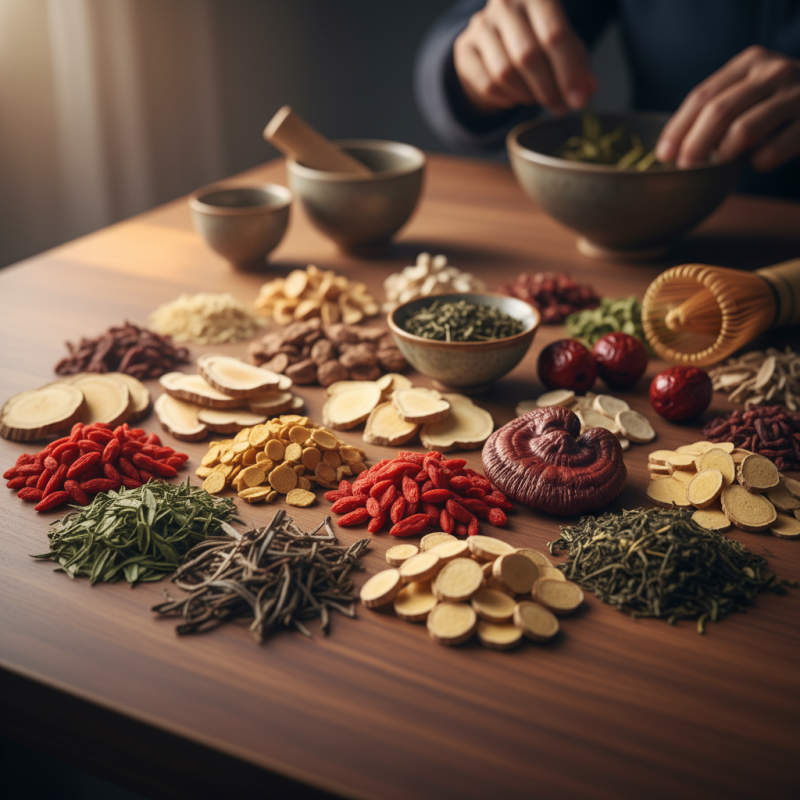
Why Choose Chinese Herbs for Your Health and Wellness Needs?

Benefits of Chinese Herbs for Enhancing Overall Health

Chinese herbs have garnered attention for their potential health benefits. These natural remedies have been used for centuries, promoting overall wellness in various ways. One major advantage is their ability to enhance immune function. Ingredients like astragalus and reishi mushrooms are known for boosting immunity and increasing resistance to illnesses. This is essential in today's fast-paced, demanding environments.

Another compelling aspect is their role in stress relief. Herbs such as ashwagandha and chamomile can offer calming effects, helping to reduce anxiety levels. Many people struggle with stress, making it vital to find effective solutions. Incorporating these herbs into your daily routine can improve mental clarity and emotional balance.

Tips: Start with small doses to observe how your body reacts. Consult a professional before making significant changes to your regimen. Remember, not every herb suits everyone. Personal experience matters. Listen to your body and tweak accordingly. This trial-and-error approach can enhance your wellness journey.

Historical Significance of Chinese Herbal Medicine in Wellness

Chinese herbal medicine has a rich history that dates back thousands of years. Ancient texts showcase its depth and complexity. These texts document various herbs and their uses in promoting health and balancing the body's energy. Knowledge was passed down through generations, enhancing its credibility. Practitioners learned to understand the unique properties of each herb. This experience laid the foundation for today’s practices.

In traditional Chinese culture, herbs are not seen merely as remedies. They embody a holistic approach to health. Each herb interacts with others to create balance. This belief emphasizes the interconnectedness of the body and nature. Some practices may feel unusual or unfamiliar to modern expectations. Yet, they reflect an understanding of health that is comprehensive and preventive.

Over time, the integration of Chinese herbs into wellness has remained significant. It reflects the desire to harmonize body, mind, and spirit. Increasing interest from the West highlights its relevance today. Despite challenges, the principles of balance and prevention offer valuable insights. Many look to these ancient remedies for guidance in modern health challenges. The exploration of these herbs can lead to personal reflections and growth in one's wellness journey.

Commonly Used Chinese Herbs and Their Therapeutic Properties

Chinese herbal medicine has a rich history, showcasing its effectiveness in promoting health and wellness. Many people choose these natural remedies for their holistic healing properties. Among the most commonly used herbs, Ginseng stands out. It is known for boosting energy and improving mental clarity. People often report feeling more focused and alert after using it.

Another popular herb is Ginger. This root is celebrated for its anti-inflammatory effects. It can help ease digestive issues and reduce nausea. Many individuals find comfort in sipping ginger tea when feeling under the weather. Licorice root is also noteworthy. It has soothing properties that can alleviate sore throats and support adrenal health.

When exploring these herbs, personal experiences and professional guidance are essential. Each person may react differently to herbal remedies. It's crucial to monitor your body's response. Consulting with a knowledgeable practitioner can further ensure safe use. In the world of herbal medicine, not every remedy works universally. This is where personal experimentation and mindfulness come into play.

Integrating Chinese Herbs into Modern Health Practices

Integrating Chinese herbs into modern health practices is gaining traction. Research indicates that over 50% of adults in the U.S. have tried complementary and alternative medicine. Chinese herbs, with their rich history, offer unique benefits. They support overall health, improve energy, and enhance mental clarity. Many people are seeking natural alternatives to pharmaceuticals.

A study published in the Journal of Traditional Chinese Medicine highlights the effectiveness of certain herbs in managing chronic conditions. For instance, ginseng is known to boost immune function and improve endurance. These findings suggest that incorporating herbs can complement conventional treatments. However, users should consult with healthcare providers to ensure safety and efficacy.

Tips: Start by learning about individual herbs. Explore their potential benefits and uses. Consider combining herbal remedies with existing wellness practices. Monitor your body's reactions carefully. This approach helps create a balanced and personalized health regimen. Be open to adjusting your practices as needed, based on what feels right for your body. Keep in mind, not every herb works for everyone. Listening to your body is key in this journey.

Safety and Considerations When Using Chinese Herbs for Health

Using Chinese herbs can be beneficial, but safety should always come first. Research indicates that over 30% of herbal formulations may contain contaminants or adulterants. This highlights the need for sourcing herbs from reputable suppliers. Quality matters, as contaminants can lead to unwanted side effects.

Consulting a healthcare professional is crucial when using Chinese herbs. A study found that over 60% of people using herbal products do not disclose their usage to their doctors. This can lead to interactions with conventional medications, causing harm. Understanding potential side effects is just as important as recognizing health benefits.

Another consideration is individual variability. Just because a herb is effective for one person does not guarantee the same for another. Factors like genetics, overall health, and existing conditions play a role. It’s advisable to start with small doses to monitor how your body reacts before increasing intake. Evaluating your experiences with Chinese herbs is part of a responsible approach to health and wellness.

Benefits of Chinese Herbs for Health and Wellness

FAQS

: What are common Chinese herbs used for health?

: Popular herbs include Ginseng, Ginger, and Licorice root. They promote energy, digestive comfort, and soothe sore throats.

How does Ginseng benefit health?

Ginseng boosts energy and enhances mental clarity. Many feel more focused after using it.

What are the effects of Ginger?

Ginger is known for its anti-inflammatory effects. It can ease digestive issues and reduce nausea.

Why is consulting a healthcare provider important?

A professional can ensure the safe use of herbs and help avoid interactions with other medications.

Can Chinese herbs work for everyone?

No, individual responses vary. What works for one person might not work for another.

How should I start using herbal remedies?

Begin by learning about herbs, monitoring your body's reactions, and adjusting based on your needs.

What should I watch for when selecting herbs?

Ensure you source herbs from reputable suppliers to avoid contaminants or poor quality.

How can I safely incorporate herbs into my routine?

Start with small doses and evaluate your body's reactions before increasing. Personal experimentation is key.

Are there risks with herbal supplements?

Yes, over 30% of herbal formulations may contain contaminants. Always prioritize safety and quality.

What if I experience side effects?

If you experience unwanted effects, it’s important to reassess your use of the herb and consult a healthcare provider.

Conclusion

Chinese herbs have been a cornerstone of traditional health practices for centuries, offering numerous benefits for enhancing overall wellness. Their historical significance in Chinese medicine underscores a holistic approach to health, focusing on balance and natural healing. Various commonly used herbs possess unique therapeutic properties that can support various bodily systems, making them a valuable addition to modern health practices.

Integrating Chinese herbs into contemporary wellness regimens can provide a complementary approach to conventional treatments. However, it is essential to consider safety and proper usage when incorporating these herbs into your health routine. Understanding their benefits and potential risks will help individuals make informed choices for their health and wellness needs, ultimately leading to better overall well-being through the power of Chinese herbs.


Liam

Liam

Liam is a dedicated marketing professional with a profound expertise in the industry, where he excels at highlighting the unique advantages of our core products. With a keen understanding of market trends and consumer needs, Liam frequently updates our company’s professional blog, providing......