Chinese Herbal Extracts have gained significant attention in global markets. Their unique properties and historical significance make them appealing to buyers worldwide. These extracts are not just popular for their medicinal benefits; they also play a vital role in traditional wellness practices.
In recent years, the demand for high-quality Chinese Herbal Extracts has surged. Many countries are now looking to integrate these potent ingredients into their health products. This shift highlights the need for buyers to understand the various types and their specific uses. Challenges remain, especially in sourcing reliable suppliers who maintain quality and authenticity.
Understanding the complexities of Chinese Herbal Extracts can be overwhelming. Buyers must navigate factors such as extraction methods, purity levels, and potential impurities. Collaborating with experienced professionals can provide valuable insights. As the market evolves, so does the importance of reliable information and ethical sourcing practices. This landscape continues to develop, and reflection on best practices is essential for successful engagement in this sector.
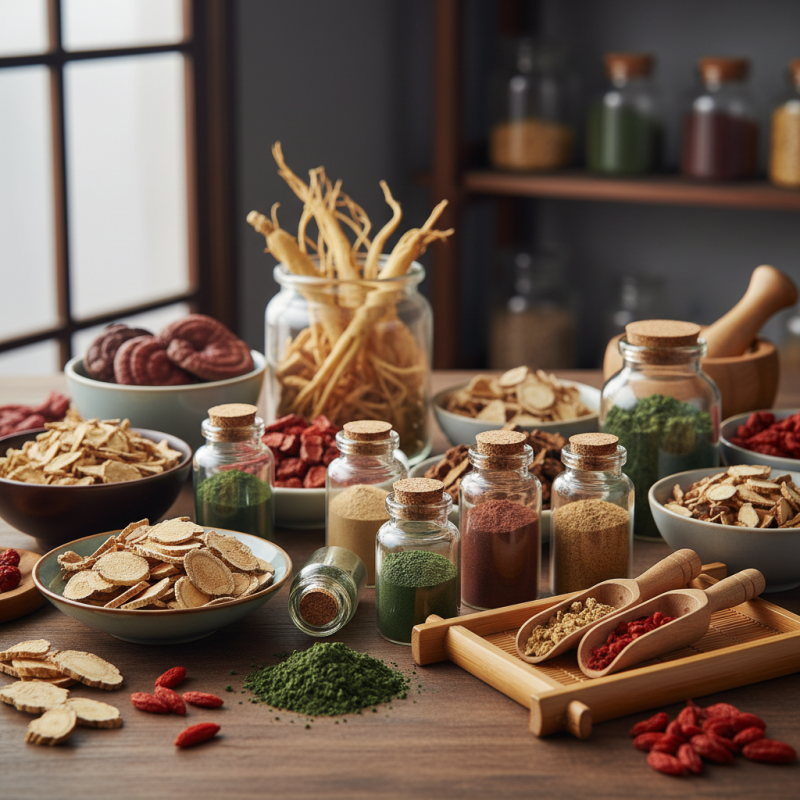
Chinese herbal medicine has a rich history, deeply rooted in traditional practices. This ancient healing art utilizes various plant parts to enhance health and well-being. Global interest is growing as more people seek alternative remedies.
Understanding the principles behind these herbs is essential. They often work through a holistic approach, considering the body and mind as interconnected. Many herbs have unique properties, like anti-inflammatory or calming effects. However, not all herbs are suitable for everyone. Individual responses can vary widely. This emphasizes the need for research and professional guidance.
Despite the growing popularity, challenges remain. Quality control and sourcing pose significant issues. Variability in potency and purity exists among suppliers. Buyers must be cautious. Engaging with credible sources can enhance knowledge and ensure safe use. It's crucial to reflect on the sourcing practices of herbal extracts, as sustainability is a key concern.
Traditional Chinese herbs have gained global recognition for their health benefits. This surge in interest is due to an increasing demand for natural remedies and holistic health solutions. Many buyers are looking for effective herbal extracts that are both potent and reliable.
Among the most sought-after herbs are Ginseng, Goji berries, and Turmeric. Each of these herbs has unique properties. Ginseng is famous for boosting energy and improving cognitive function. Goji berries are valued for their antioxidant qualities. Turmeric, with its active compound curcumin, is celebrated for anti-inflammatory benefits. However, buyers must ensure quality sourcing, as some extracts may not meet purity standards.
Despite the promising market for Chinese herbal extracts, challenges persist. Not all suppliers maintain rigorous quality control. Some products may lack proper labeling or accurate ingredient disclosure. This leads to confusion and skepticism among global buyers. Establishing reliable partnerships with experts can mitigate these issues. Quality assurance should be a priority for any buyer venturing into this sector.
The global market for Chinese herbal extracts is witnessing substantial growth. According to a recent report by Grand View Research, the market is projected to reach USD 83.0 billion by 2027. This surge is driven by a rising demand for natural and organic products among consumers. The trend highlights a shift toward health-conscious choices. Buyers are increasingly exploring herbal solutions for various ailments and wellness.
In North America and Europe, interest in Chinese herbal remedies is growing. A study from the National Center for Complementary and Integrative Health shows that 10.9% of adults in the U.S. use herbal products. This indicates a potential market ripe for Chinese herbal extracts. Moreover, trade data reveals that exports have increased over the past five years, particularly to European countries. However, misconceptions about efficacy still linger. Education and transparency could enhance trust among buyers.
While the prospects are promising, challenges remain. Quality control is inconsistent across suppliers. Buyers often seek certifications to ensure reliability. Furthermore, regulatory barriers may complicate the entry of new products. These factors require careful navigation. Addressing them is essential for building sustainable market relationships.
| Extract Name | Key Benefits | Region of Popularity | Market Growth Rate (%) | Export Trends |
|---|---|---|---|---|
| Ginseng Extract | Boosts energy and immunity | North America, Europe | 8.5% | Increasing demand for supplements |
| Goji Berry Extract | Rich in antioxidants, skin health | Asia, North America | 10.1% | Strong market in health food |
| Turmeric Extract | Anti-inflammatory, pain relief | Worldwide | 12.0% | Growing use in pharmaceuticals |
| Rhodiola Extract | Stress relief and mental clarity | Europe, North America | 9.3% | Rising popularity in adaptogens |
| Moringa Extract | Nutrition powerhouse, rich in vitamins | Asia, Africa, North America | 15.5% | Expanding in organic markets |
Quality standards play a crucial role in the global distribution of Chinese herbal extracts. Buyers must understand various certifications. These standards ensure safety, efficacy, and quality. For example, Good Manufacturing Practices (GMP) are vital. They dictate how products are produced and handled. This helps prevent contamination and ensures consistent quality.
Another important aspect is the testing of herbal products. Comprehensive testing for potency and purity is essential. This includes checking for heavy metals, pesticides, and microbial contamination. Analytical methods like HPLC and GCMS are commonly used. Transparency in testing procedures builds trust with consumers.
Certification bodies vary, and some may lack acknowledgment. Buyers should verify the credibility of these certifications. Genuine certifications can be a mark of reliability. However, the landscape is complex. Not all suppliers may understand these standards. Knowledge gaps can lead to discrepancies. It is critical for buyers to educate themselves on these matters.
Sourcing Chinese herbal extracts presents both challenges and opportunities for global buyers. One major challenge is ensuring the quality and authenticity of the products. Many suppliers claim premium quality, but not all can deliver. This inconsistency can lead to buyer frustration and distrust in the sourcing process.
Buyers often face difficulties in navigating regulatory requirements. Different countries have unique standards for herbal extracts, which can complicate import procedures. Additionally, the language barrier may hinder effective communication with suppliers. Misunderstandings can occur, resulting in delays or incorrect orders.
On the flip side, the booming interest in natural remedies creates significant opportunities. Growing consumer awareness about health benefits drives demand for authentic Chinese herbal products. Buyers who invest time in researching suppliers may find reliable partners. Building relationships with reputable manufacturers allows for better quality control and trust. Networking within industry circles enhances insight on market trends and supplier recommendations.
: They offer health benefits like improved energy, cognitive function, and antioxidant properties.
There is a growing interest in natural remedies and holistic health solutions among consumers worldwide.
Ginseng, Goji berries, and Turmeric are among the most sought-after herbs with unique properties.
Buyers need to focus on quality sourcing and look for products that meet purity standards.
Issues like inconsistent quality control and lack of accurate labeling can create confusion and skepticism.
Certifications ensure safety, efficacy, and quality, helping to build trust between suppliers and consumers.
HPLC and GCMS are analytical methods used to check potency and purity for contaminants.
Not all suppliers understand quality standards, which may cause discrepancies in product quality.
It is expected to reach USD 83.0 billion by 2027, driven by rising consumer demand for natural products.
There is a notable shift towards health-conscious choices and interest in herbal solutions for various wellness needs.
Chinese Herbal Extracts have gained prominence in global markets due to the increasing interest in natural health products and traditional medicine practices. This article provides an overview of Chinese herbal medicine, highlighting its significant role in health and wellness worldwide. It explores key traditional herbs and their extracts that are integral to international trade, such as Ginseng and Goji berries, and examines current market trends that are shaping the demand for these products.
Furthermore, the article delves into the quality standards and certifications required for Chinese herbal products, ensuring safety and efficacy for consumers. Despite the growing market, sourcing Chinese Herbal Extracts presents both challenges and opportunities, including issues related to sustainability and regulatory compliance. By addressing these topics, the article aims to provide valuable insights for global buyers interested in incorporating Chinese herbal extracts into their offerings.

Neo-Green Herbs