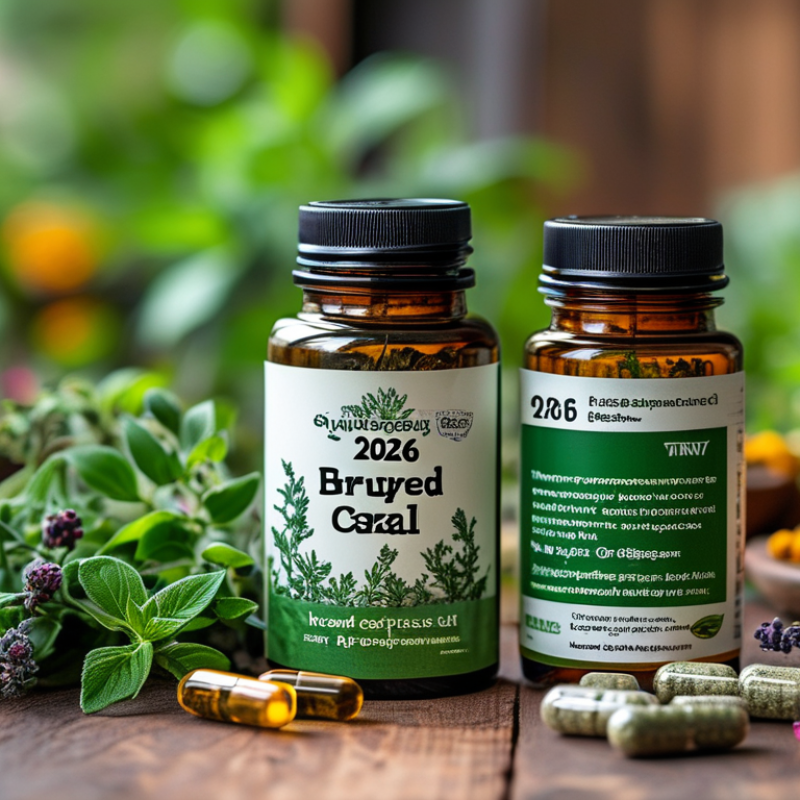
In recent years, the demand for Herb Capsules has surged among health-conscious consumers. These capsules offer a convenient way to incorporate herbal remedies into daily wellness routines. With numerous options available, it's essential for global buyers to identify high-quality products that suit their needs.
When selecting Herb Capsules, consider the source of the ingredients. Organic and sustainably sourced herbs often reflect higher quality. Transparency in labeling is also crucial. Look for brands that provide detailed information about their sourcing and production processes.
However, not all products live up to their claims. Some capsules may contain fillers or lower-quality ingredients. Therefore, it’s vital to research and choose established brands with a reputation for reliability. While many options exist, discerning buyers will invest time to ensure they select the best products for their health.
Overview of Herb Capsules in the Global Market
Herb capsules have gained popularity in the global market due to their convenience and potential health benefits. Many consumers prefer them over traditional herbal remedies for their easy consumption and more precise dosing. But the rise in demand also brings concerns about quality and reliability. Buyers should be vigilant about ingredient sourcing, manufacturing processes, and the reputation of suppliers.
Understanding the various herbs available in capsule form is essential. Common options include turmeric, ashwagandha, and ginseng. Each of these herbs has distinct properties. Turmeric is known for its anti-inflammatory effects, while ashwagandha may help with stress relief. Buyers should research each herb’s benefits and potential side effects to ensure safe use. Engaging with customer reviews can provide insights into user experiences and product efficiency.
The global market is diverse, with varying standards. Not all capsules are created equal. Some may contain fillers or additives that can diminish their effectiveness. Checking for third-party testing and certifications can help assure product reliability. Balancing personal health goals with informed choices is key. Consumers should reflect on their needs and the scientific backing of the herbs they choose to invest in.
2026 Best Herb Capsules for Global Buyers
| Herb Type |
Benefits |
Country of Origin |
Recommended Dosage (mg) |
Popular Uses |
| Turmeric |
Anti-inflammatory, antioxidant |
India |
500-2000 |
Joint health, digestive support |
| Ginger |
Digestive aid, anti-nausea |
China |
500-1000 |
Nausea relief, motion sickness |
| Ashwagandha |
Stress relief, energy booster |
India |
300-600 |
Stress management, mood enhancement |
| Garlic |
Heart health, immune support |
Global |
600-1200 |
Heart disease prevention, cold defense |
| Green Tea |
Antioxidant, metabolism booster |
China |
250-500 |
Weight loss, heart health |
Key Factors to Consider When Purchasing Herb Capsules
When purchasing herb capsules, it is crucial to consider several key factors. Quality of ingredients should be a primary focus. Research shows that up to 30% of herbal supplements may contain contaminants. This could include heavy metals or microbial pathogens. Ensuring that the capsules are tested by third-party labs can significantly reduce the risk of consuming unsafe products.
Another important factor is the extraction method used. Herbal extracts can vary widely in potency. Methods like cold-pressing or CO2 extraction tend to yield higher quality and more bioavailable compounds. According to industry studies, products using superior extraction techniques often perform better, leading to an increase in consumer satisfaction rates.
Lastly, transparency in sourcing is vital. Consumers now demand to know where their herbs are grown. Ethical sourcing practices contribute to both product integrity and sustainability. A recent survey indicated that 65% of consumers are willing to pay more for products that are ethically sourced. While the abundance of options can be overwhelming, focusing on these criteria will help buyers make informed choices when selecting herb capsules.
Top Herb Capsules for Different Health Goals
When selecting herb capsules for specific health goals, it’s essential to focus on individual needs. Certain herbs target specific issues like immunity, digestion, or stress relief. For instance, a report by the Global Council on Adaptogens indicates that adaptogenic herbs, such as ashwagandha and rhodiola, are gaining popularity for their stress-relieving properties. These choices are growing, with a market projection of a 10% annual growth rate by 2025.
Another key consideration is the quality of the herbs. Research published in the Journal of Herbal Medicine emphasizes that not all herb capsules are created equal. The sourcing, processing, and purity levels of herbs can vary significantly. Mislabeling and contamination are serious issues. A study found that nearly 30% of herbal products were mislabeled, which can impact health outcomes.
Pay attention to certification and testing. Third-party testing ensures the product's contents match the label. It’s also worth noting that personal tolerance levels may vary. Some individuals may experience adverse reactions even with well-regarded herbs. Therefore, it is crucial to consult with a healthcare professional before starting any new supplement regimen. These steps help in making informed choices while navigating the diverse options available in the market.
Quality Certifications and Standards for Herb Capsules
When selecting herb capsules, quality certifications play a crucial role. Certifications such as GMP (Good Manufacturing Practice) and NSF International indicate that products meet high safety and quality standards. According to industry reports, nearly 75% of consumers prefer supplements from certified facilities. This statistic highlights the growing demand for transparency in health products.
Certifications ensure that herb capsules are free from contaminants and accurately labeled. A 2022 survey found that 68% of herbal supplement users prioritize third-party testing. This testing verifies ingredient potency and purity. A brand that adheres to these standards promotes trust and reliability.
While certifications are essential, buyers should remain vigilant about misleading claims. Some products may falsely advertise certifications or lack proper testing. This reflects a significant concern within the industry. Consumers should research the certification bodies and verify claims independently. This approach fosters a more informed purchasing decision, ultimately leading to better health outcomes.
Consumer Reviews and Feedback on Popular Herb Capsules
When selecting herb capsules, consumer reviews play a vital role. Many users express their thoughts online, highlighting what works and what doesn't. You can find valuable information in these reviews, whether it's about effectiveness, taste, or side effects. Users often share personal experiences that can guide your choices.
Tips for choosing the best herb capsules include checking the ingredient list carefully. Look for capsules made from high-quality herbs, properly sourced and processed. Reading multiple reviews can also provide a broader perspective on a product's performance.
Try to pay attention to feedback regarding the dosage and any reported side effects.
Some consumers note that certain brands have inconsistent quality. One batch may be effective while another might not yield the expected results. This highlights the importance of sourcing capsules from reputable manufacturers. Reflecting on reviews can help you avoid disappointing purchases.
Engaging with the community discussing these products can also be quite enlightening. You might discover insights that aren’t immediately obvious from the product descriptions alone.
FAQS
: They are convenient and offer precise dosing. Many prefer them over traditional remedies for ease of use.
Look into the herbs' benefits, potential side effects, and ingredient sourcing. Customer reviews can also provide useful insights.
Popular options include turmeric, ashwagandha, and ginseng. Each has unique properties and potential health benefits.
It ensures product safety and reduces the risk of contaminants. Testing helps verify the quality of the ingredients used.
Different methods yield varying potency. Cold-pressing or CO2 extraction often results in more bioavailable compounds.
It enhances product integrity. Many consumers prefer products that are sustainably sourced, even at a higher price.
Reviews provide insights into effectiveness and possible side effects. They highlight experiences that can influence your decisions.
Focus on ingredient quality, reported side effects, and dosage information. These details can guide you effectively.
Some brands show inconsistent quality. A product may work well one time but not in another batch.
Participating in discussions online can offer insights. You might discover valuable experiences from other users.
Conclusion
Herb capsules have gained significant popularity in the global health market due to their convenience and concentrated benefits. When purchasing herb capsules, buyers should consider key factors such as the source of the herbs, extraction methods, and the intended health goals. Different formulations are available to address various health concerns, from immune support to digestive health.
Quality certifications and industry standards play a crucial role in ensuring the safety and efficacy of herb capsules. Customers are encouraged to review consumer feedback and ratings to make informed decisions. By understanding these aspects, global buyers can effectively navigate the herb capsule market and select options that align with their health needs.

 Neo-Green Herbs