In the competitive world of manufacturing and distribution, identifying the right granules supplier is crucial. Buyers worldwide seek more than just product availability; they need reliability, quality, and expertise. Granules serve as essential materials in various industries, including plastics, pharmaceuticals, and food production. A trusted supplier can make a significant difference in operational efficiency.
The year 2026 presents unique challenges and opportunities for global buyers. With evolving market trends and sustainability demands, granules suppliers must adapt. Quality assurance and innovation play vital roles in supplier selection. Some suppliers excel in specific areas, yet overlook others. This inconsistency can lead to uncertainties for buyers.
Choosing the best granules supplier involves careful analysis. Innovative developments may come from unexpected places, while established suppliers may falter. Buyers must remain vigilant. Reflecting on past partnerships and supplier performance is essential to making informed decisions. These insights ensure that buyers can select a supplier who not only meets their current needs but also aligns with future goals.
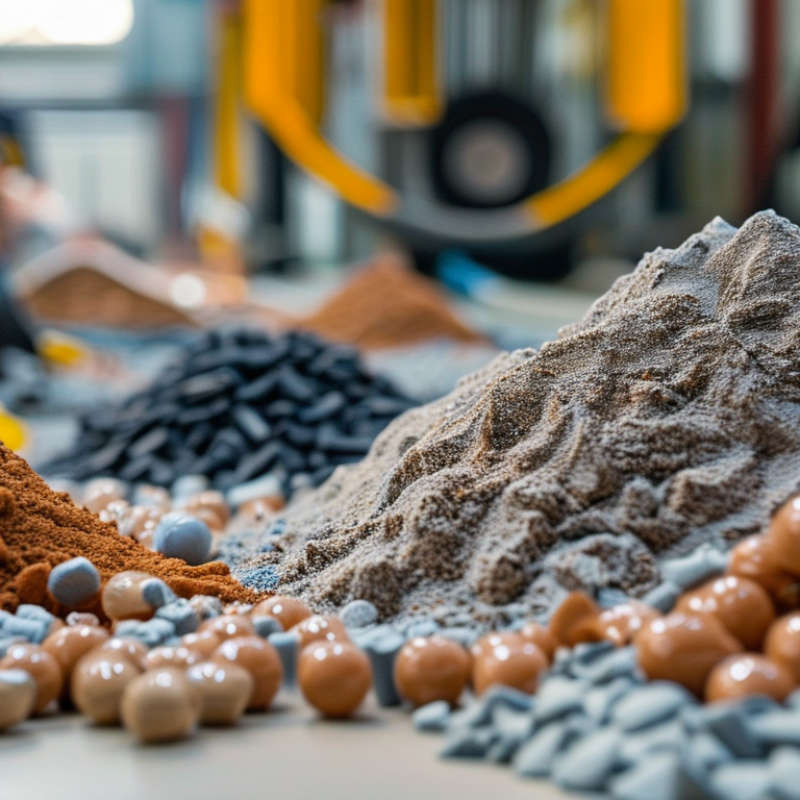
The granules market is expected to experience significant growth by 2026. A report from industry analysts predicts a CAGR of 5.2% over the next few years. This growth is driven by increasing demand for plastic granules in packaging and automotive sectors. More industries are looking for sustainable options, which boosts the market further.
A key insight is the regional variation in demand. North America and Asia-Pacific are leading markets. Europe follows closely due to strict regulations on plastic use. These regions present unique challenges and opportunities. Understanding local market dynamics is essential for global buyers.
**Tips:** Engage with reliable suppliers who provide certifications. This helps ensure compliance with international standards. Stay updated on market trends and regulatory changes to adapt your sourcing strategy effectively. Robust data analysis can guide decision-making, ensuring you select the right type of granules for your needs.
When selecting a granules supplier, various factors come into play.
Quality assurance stands out as a critical element.
Buyers need consistent product quality to maintain their own production standards. Regular audits and certifications can help in verifying the quality claims of suppliers.
It’s essential to check for compliance with international standards.
Pricing is another key consideration. Competitive pricing doesn’t always mean the best value.
An attractive price may reflect lower quality. Balancing cost and quality is crucial for global buyers.
Buyers should also evaluate suppliers’ transparency in pricing.
Delivery reliability can impact production timelines. Delays in shipments can disrupt operations.
It’s vital to assess the supplier's logistics capabilities. Understand their track record in order fulfillment and delivery times.
A history of missed deadlines could signal potential risks. Communication skills of the supplier are important too.
Responsive and clear communication fosters smoother transactions.
Building a solid relationship relies on trust and mutual understanding.
In the competitive landscape of granules suppliers, it is essential to analyze various players in the market. Understanding their offerings helps buyers make informed decisions. Supplier characteristics range from product quality to delivery reliability. A thorough assessment is essential for effective procurement.
Tips: Identify suppliers with transparent quality control processes. Look for certifications that guarantee product standards.
Comparative analysis reveals that regional suppliers may offer unique advantages. Local suppliers can provide shorter lead times and tailored solutions. However, global suppliers often have the infrastructure to support large-scale operations. Balancing these attributes can be challenging.
Tips: Consider the supply chain efficiency when evaluating potential suppliers. Engage with suppliers to discuss their logistics capabilities.
Conducting a detailed supplier analysis involves more than just numbers. Factors such as customer service, flexibility, and innovation play significant roles. Establishing strong relationships with suppliers can lead to better pricing and terms over time. However, not all suppliers may meet expectations. It is vital to reassess partnerships regularly for continuous improvement.
Tips: Schedule regular reviews with suppliers to discuss evolving needs. Stay open to feedback from your team and the suppliers themselves.
The granules industry is evolving rapidly. Sustainability is now a critical focus. Many suppliers are exploring eco-friendly materials. Recycled plastics and biodegradable options emerge as popular choices. This shift aims to reduce environmental impact. However, challenges remain in sourcing and production. Finding reliable, sustainable raw materials can be tough.
Innovation drives this sector forward. Advanced technologies enable better quality and lower waste. Manufacturers invest in research to improve processes. Automation enhances efficiency, but it also raises concerns. While it minimizes human error, it can lead to job loss. The industry must balance both efficiency and employment.
Buyers increasingly seek transparency. They want to know where materials come from. This demand can pose challenges for suppliers. Adapting to new sustainability criteria requires time and resources. Not all companies are prepared for such changes. Collaboration is essential within the industry. Sharing knowledge could lead to better solutions for everyone involved.
| Supplier Region | Sustainability Practices | Innovation Focus | Market Share (%) | Certifications |
|---|---|---|---|---|
| North America | Biodegradable materials, Renewable energy use | Advanced recycling technologies | 25% | ISO 14001, LEED Certified |
| Europe | Waste reduction initiatives, Carbon-neutral operations | Smart packaging solutions | 30% | ECOCERT, B Corporation |
| Asia | Recycled materials usage, Energy efficiency | Nanotechnology in granulation | 20% | ISO 9001, Green Label |
| South America | Local sourcing, Eco-friendly processes | Bio-based granules | 15% | FSC Certified, Carbon Trust Standard |
| Africa | Community engagement, Low-impact materials | Use of agricultural by-products | 10% | SA8000, EcoLabel |
The granules supply chain is evolving rapidly. Demand for granules is driven by diverse industries, including pharmaceuticals, food, and agriculture. According to a recent report by Grand View Research, the global granules market was valued at approximately $5 billion in 2022, with a projected CAGR of 6.5% from 2023 to 2030. This growth reflects increasing applications and technological advancements in granule production.
Future trends indicate a shift toward sustainable practices in granule manufacturing. Experts emphasize the importance of eco-friendly sourcing and production methods. Transparency in supply chains becomes critical as buyers demand higher quality and ethically produced products. Data from the International Granules Association shows that up to 45% of industry leaders prioritize sustainability in their procurement processes. This trend reflects a broader consumer demand for responsible production.
However, challenges remain. Supply chain disruptions have tested the resilience of granule suppliers. Recent events revealed vulnerabilities, leading to increased costs. Buyers must remain vigilant and adaptable. Industry leaders suggest that fostering collaboration and innovation can mitigate risks. Embracing new technologies may provide solutions, yet not all companies are ready for such change.
: The market is projected to grow at a CAGR of 5.2% over the next few years.
North America and Asia-Pacific are the leading markets, followed closely by Europe.
Local market dynamics present unique challenges and opportunities for global buyers to navigate.
Quality assurance, pricing transparency, delivery reliability, and communication skills are crucial factors.
Consistent product quality is essential to maintain production standards in a buyer's operations.
Delays in shipments can disrupt operations, making reliable delivery vital for maintaining timelines.
An attractive price could indicate lower quality; balancing cost and quality is important.
Local suppliers often provide shorter lead times and tailored solutions, but may lack infrastructure.
Good customer service, flexibility, and innovation are key for establishing solid supplier relationships.
Regular reviews can identify areas for improvement and ensure suppliers meet evolving needs effectively.
The article titled "2026 Best Granules Supplier for Global Buyers Insights?" offers a comprehensive overview of the granules market, emphasizing critical factors that influence the choice of granules suppliers for buyers worldwide. It highlights key aspects such as quality, pricing, and reliability, which are paramount in supplier selection.
Additionally, the piece delves into a comparative analysis of top granules suppliers globally, showcasing their strengths and areas for improvement. The discussion extends to sustainability and innovation within the granules industry, reflecting the growing importance of environmentally-conscious practices. Finally, it outlines future trends expected to shape the granules supply landscape, providing valuable insights for global buyers keen on making informed decisions regarding their suppliers.

Neo-Green Herbs