Sourcing reliable Bulk Herbal Extracts requires more than comparing prices on a supplier website. Global buyers need consistent potency, clear documentation, and dependable communication. This guide introduces ten suppliers that may support manufacturers, formulators, and distributors across international markets. The selection focuses on practical evidence, including botanical identification, extraction methods, batch testing, and supply capacity.
A credible supplier should provide a current Certificate of Analysis for each lot. Testing may cover active compounds, heavy metals, pesticides, microbes, and residual solvents. Traceability matters too. Buyers should be able to follow a product from harvested plant material to sealed shipment. Look for GMP-based production, suitable quality certifications, and transparent statements about origin. Details matter.
Packaging can reveal operational discipline. Moisture-resistant bags, tamper-evident seals, and readable batch labels reduce avoidable problems. Logistics also deserve attention, especially when extracts cross borders or face temperature and humidity changes. Regulatory acceptance varies by destination, so buyers must verify local requirements before placing an order. No supplier fits every market.
That is worth remembering.
This overview uses a buyer-focused approach, but it is not a substitute for independent due diligence. Supplier records can change, and online claims may become outdated. Request recent samples, verify laboratory documents, and confirm minimum order quantities in writing. Some evaluations remain imperfect because performance depends on the product, season, and destination. Still, careful comparison can reduce quality risks and support more stable global sourcing decisions.
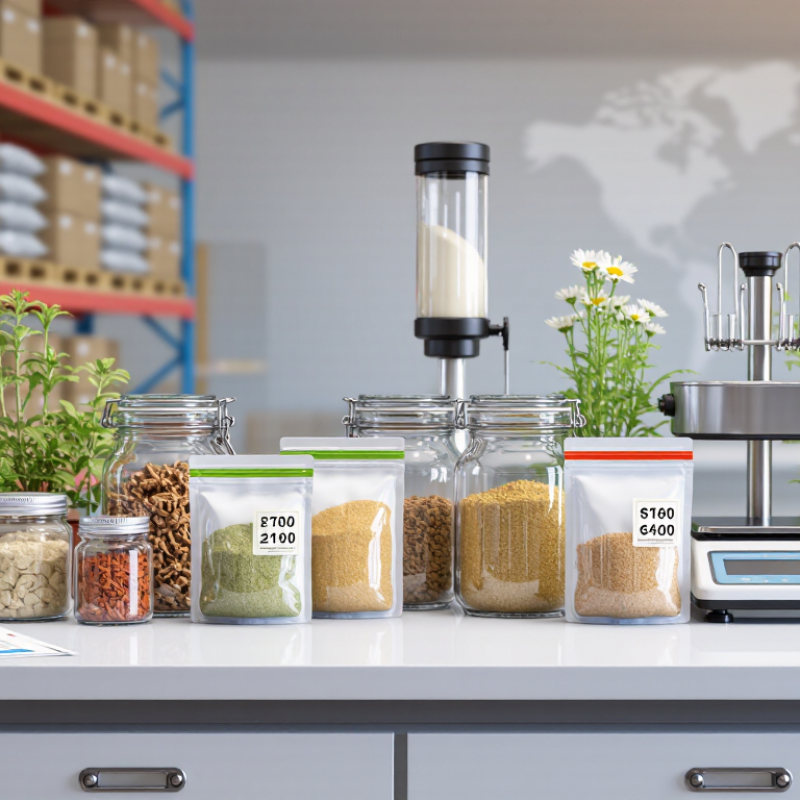
A reliable bulk herbal extract supplier shows its work before asking for a large order. Buyers should receive clear botanical names, plant parts, extraction ratios, and solvent details. A current certificate of analysis should match the exact batch, not a generic sample. It should cover identity, marker compounds, moisture, heavy metals, pesticides, and microbiological limits.
Practical experience matters during supplier evaluation. Request a small sample and compare its color, aroma, solubility, and test results. Appearance alone proves little. Ask how materials are sourced, stored, and traced through production. Reliable facilities usually maintain documented quality systems, calibrated equipment, trained staff, and controlled batch records. Third-party testing can add confidence, but it does not replace supplier accountability.
Global buyers also need export documents and destination-market compliance support. Packaging should protect extracts from heat, light, oxygen, and moisture during transit. Ask about shelf-life studies and recommended storage conditions. Communication is another useful test. Do representatives answer technical questions clearly, or do they avoid specifics?
No supplier is flawless. Even strong systems can experience delays, testing deviations, or documentation errors. The important question is how openly the supplier reports and corrects them. A dependable partner welcomes audits, explains limitations, and provides corrective-action records. Trust grows from repeated evidence, not polished promises.
| Supplier Profile | Primary Sourcing Region | Typical Extract Forms | Common Botanical Formats | Typical Commercial MOQ | Standard Lead Time | Quality Documentation | Testing Expectations | Best Fit for Global Buyers | Reliability Score |
|---|---|---|---|---|---|---|---|---|---|
| Profile A | China and East Asia | Spray-dried powders, granules, liquid extracts | Tea, ginseng, reishi, astragalus | 25–100 kg per item | 4–8 weeks after artwork and specification approval | COA SDS GMP evidence Traceability records | Identity testing, moisture, microbiology, heavy metals, pesticide screening | Importers seeking broad botanical selection and competitive bulk pricing | ★★★★☆ 4.3/5 |
| Profile B | India and South Asia | Standardized powders, dry extracts, oleoresins | Turmeric, ashwagandha, ginger, boswellia | 25–200 kg per item | 3–7 weeks for standard products | COA GMP HACCP Allergen statement | Marker-compound assay, microbial limits, aflatoxins, pesticides, heavy metals | Supplement manufacturers requiring well-known Ayurvedic botanicals | ★★★★☆ 4.4/5 |
| Profile C | Europe and Mediterranean region | Water extracts, glycerin extracts, standardized dry extracts | Milk thistle, artichoke, elderberry, nettle | 50–250 kg per item | 5–10 weeks, depending on harvest and certification status | GMP HACCP Organic documentation Full specification | Botanical authentication, active-marker assay, residual solvents, microbiology | European and North American buyers prioritizing regulatory documentation | ★★★★★ 4.7/5 |
| Profile D | North America | Dry extracts, liquid concentrates, encapsulation-ready powders | Green tea, cranberry, echinacea, saw palmetto | 50–500 kg per item | 4–9 weeks after technical approval | GMP HACCP Non-GMO statement Lot traceability | Identity, potency, microbial analysis, heavy metals, residual solvents where applicable | Finished-product brands needing North American compliance support | ★★★★☆ 4.5/5 |
| Profile E | South America | Dry powders, freeze-dried extracts, concentrated liquids | Yerba mate, guarana, acerola, cat's claw | 50–300 kg per item | 6–12 weeks, influenced by seasonal supply | COA Origin statement Sustainability records Pesticide report | Species identification, marker assay, microbial testing, pesticides, heavy metals | Buyers looking for region-specific plants and distinctive origin stories | ★★★★☆ 4.2/5 |
| Profile F | Africa and the Middle East | Dry extracts, powdered botanicals, hydroalcoholic extracts | Hibiscus, moringa, baobab, black seed | 25–200 kg per item | 5–11 weeks, depending on raw-material availability | COA GMP or HACCP Country-of-origin documents SDS | Botanical identity, moisture, microbial limits, aflatoxins, heavy metals | Natural-food, wellness, and functional-beverage producers | ★★★★☆ 4.1/5 |
| Profile G | Southeast Asia | Water extracts, dry extracts, essential-oil-containing extracts | Turmeric, pandan, gotu kola, ginger, cinnamon | 25–150 kg per item | 4–8 weeks for regular inventory items | COA GMP evidence Allergen statement Shelf-life data | Identity, curcuminoid or marker assay, microbial testing, pesticides, heavy metals | Buyers developing botanical beverages, teas, and dietary supplements | ★★★★☆ 4.3/5 |
| Profile H | Central and Eastern Europe | Standardized dry extracts, tinctures, granules | Valerian, chamomile, hawthorn, bilberry | 50–250 kg per item | 5–10 weeks, with longer periods during harvest gaps | GMP HACCP Pharmacopoeial methods Change-control policy | Botanical authentication, active compounds, microbiology, pesticides, solvent residues | Pharmaceutical, nutraceutical, and clinically positioned product developers | ★★★★★ 4.6/5 |
| Profile I | Multi-origin global sourcing network | Custom blends, standardized powders, liquid extracts | Multi-herb formulas and functional botanical systems | 100–1,000 kg per finished blend | 6–14 weeks, including formulation and validation | COA Technical data sheet Batch records Stability information | Identity, potency, microbial limits, allergens, contaminants, blend uniformity | Large brands requiring formulation support and consistent multi-ingredient supply | ★★★★☆ 4.5/5 |
| Profile J | Certified-organic supply regions worldwide | Organic dry extracts, organic powders, organic tinctures | Turmeric, ginger, peppermint, milk thistle, ashwagandha | 25–250 kg per item | 6–12 weeks, subject to organic raw-material availability | Organic certificate GMP or HACCP COA Supply-chain audit records | Organic-status verification, identity, microbiology, pesticides, heavy metals | Organic, clean-label, and sustainability-focused international brands | ★★★★☆ 4.6/5 |
Check botanical identity, plant part, origin, extraction method, and active-marker levels. Request recent, batch-specific test reports. A brochure is not enough.
Ask for a certificate of analysis, origin statement, extraction ratio, and traceability records. Request pesticide, heavy-metal, microbial, and residual-solvent results. Verify laboratory details.
Generic certificates may not describe your actual shipment. Batch documents connect test results with a production lot. That link matters.
Yes. Compare color, aroma, flow, sediment, and marker levels. Keep a retained sample for later comparison. Small samples reveal practical differences.
Look for GMP, HACCP, ISO 22000, or equivalent systems. Review cleaning controls, allergen procedures, storage conditions, and recall processes. Do not trust labels alone.
Ask about minimum order quantities, harvest-season lead times, packaging, and temperature controls. Clear technical answers often show stronger problem-solving ability. Pricing tells only part.
Not always. It should match the product, destination market, and customer requirements. Confirm the certificate’s scope and validity. Requirements can differ.
Compare two or three production batches before signing a long agreement. Recheck specifications after reformulation. No checklist catches everything. Mistakes remain possible.
This guide explores what makes a reliable bulk herbal extract supplier for international buyers, focusing on consistent quality, transparent sourcing, production capacity, and responsive customer service. It presents practical criteria for comparing the top ten supplier types, including ingredient traceability, standardized extract specifications, testing procedures, documentation, packaging options, lead times, and the ability to support both small trial orders and large-scale purchasing. These factors help buyers evaluate whether a supplier can deliver dependable Bulk Herbal Extracts for different industries and markets.
The article also explains why certifications, good manufacturing practices, contaminant testing, and clear quality-control systems are essential when selecting a supplier. Global buyers are encouraged to review product samples, certificates of analysis, manufacturing standards, export experience, communication efficiency, and compliance with applicable destination-market requirements. By comparing suppliers through these measurable factors rather than relying only on price, buyers can build stable supply relationships and choose a partner that supports product consistency, regulatory confidence, and long-term business growth.

 Neo-Green Herbs