What Are the Benefits of Using Concentrated Granules in China?

Time:2026-07-09 Author:Aria
0%

In recent years, the use of Concentrated Granules has gained significant traction in China's agricultural sector. Industry reports indicate that the market for these granules is projected to grow by 15% annually. This growth highlights their rising importance in enhancing crop productivity and reducing wastage. Experts like Dr. Li Jun, a leading agronomist, state, "Concentrated Granules optimize nutrient delivery, benefiting both farmers and the environment."

The advantages of Concentrated Granules are multifaceted. They provide precise nutrient targeting, which minimizes run-off and environmental impact. Furthermore, the compact nature of these products often results in lower transportation costs and easier storage. However, awareness and education on their use remain essential. Some farmers still rely on traditional fertilizers, which are less efficient. This gap indicates a need for ongoing education about the benefits of innovative solutions.

While the advantages are clear, challenges remain. The initial investment in Concentrated Granules can be daunting for smallholders. Moreover, not all farmers have access to information about these alternatives. Bridging this knowledge gap is crucial to maximize the potential of Concentrated Granules in enhancing agricultural practices across China.
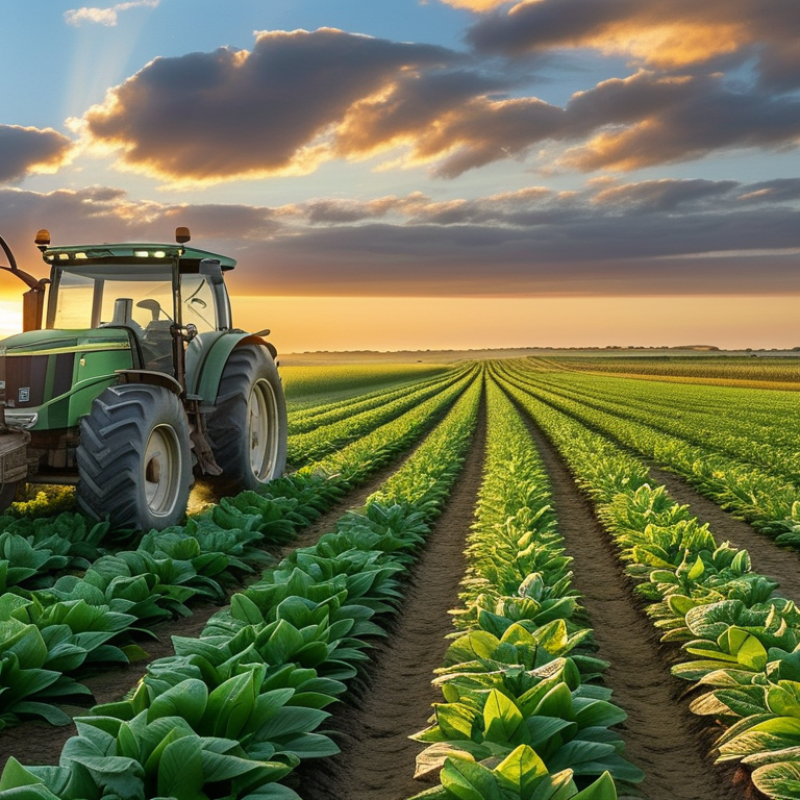
What Are the Benefits of Using Concentrated Granules in China?

Overview of Concentrated Granules in China

Concentrated granules have gained significant traction in China's agricultural industry. These products offer a way to enhance crop nutrition while reducing environmental impact. According to a report by the China Agricultural University, the use of concentrated granules can improve nutrient delivery efficiency by up to 30%. This is critical in a country with vast agricultural demands.


Consumers are increasingly aware of sustainability. Concentrated granules help minimize the overall carbon footprint of farming practices. Their compact form allows for easier transportation and storage, which is particularly relevant given the logistical challenges in remote areas of China. Interestingly, the production of such granules has also been shown to consume 20% less energy compared to traditional fertilizers.


The adoption of concentrated granules, however, is not without challenges. Farmers may require training to effectively switch from traditional fertilizers. This transitional phase can be difficult, as it involves a learning curve on application techniques. Thus, ongoing education and support are necessary to maximize the benefits of these innovative products. An awareness of such complexities is crucial for stakeholders involved in the agricultural sector in China.

Advantages of Using Concentrated Granules in Agriculture

Concentrated granules are becoming increasingly important in agriculture across China. One major advantage is their ability to enhance nutrient efficiency. According to recent industry reports, these granules can improve nutrient uptake by up to 30%. This means crops receive more of the essential elements they need for growth, leading to higher yields.

Another benefit is decreased environmental impact. Using concentrated granules reduces the amount of fertilizer needed. For example, farmers can achieve the same results with 40% less product, significantly lowering the risk of runoff into waterways. Efficient usage contributes to sustainable agricultural practices.

Tip: Always conduct soil tests before application. Understanding soil nutrient levels can help you choose the right granules and application rates.

The formulation of these granules also offers flexibility for various crops and conditions. However, improper usage can lead to under- or over-fertilization, reminding farmers to stay informed about the latest practices.

Tip: Consult local agronomists for tailored advice on granule application. Their expertise can help maximize your crop potential while minimizing waste.

Environmental Impact of Concentrated Granules

The environmental impact of concentrated granules in China is significant. These granules often lead to reduced waste during production and application. According to the China National Chemical Information Center, the use of concentrated granules can reduce the carbon footprint by up to 30% compared to traditional forms. This reduction is vital for China, where industrial pollution is a pressing issue.


However, the production process for these granules can still be energy-intensive. Reports show that while granules minimize waste, the initial manufacturing phase often relies on non-renewable energy sources. This raises questions about sustainability. It’s essential to explore ways to transition to more renewable energy in production to maximize environmental benefits.


Moreover, although concentrated granules have lower transportation costs due to their compact nature, transporting them still contributes to emissions. The logistics involved can offset some of their benefits. Continuous advancements in technology are needed to make the entire lifecycle more efficient and eco-friendly. Industry leaders must address these challenges to enhance the positive environmental impacts of concentrated granules.

Economic Benefits for Farmers and Manufacturers

The use of concentrated granules can significantly impact the agricultural landscape in China. These granules allow farmers to optimize their inputs, leading to more efficient crop production. By utilizing concentrated forms of fertilizers and pesticides, farmers can reduce waste and improve yield. This approach not only conserves resources but also lowers costs associated with transportation and storage.

In terms of economic benefits, manufacturers see a positive shift as well. Concentrated granules require less packaging and handling, reducing production costs. This cost-effectiveness can lead to better pricing strategies, potentially increasing sales. Moreover, the smaller volumes needed for application mean that farmers can invest in higher-quality products. Over time, the cumulative economic benefits can enhance the overall sustainability of the agricultural sector.

However, challenges exist. Not all farmers are familiar with the technology behind concentrated granules. Some may find it difficult to adapt. Education and training will be crucial to ensure proper usage. Manufacturers must also work on creating awareness about the benefits and correct application methods. Addressing these gaps will determine the success of concentrated granules in the market.

Future Trends in the Use of Concentrated Granules in China

The future trends of using concentrated granules in China reflect an evolving agricultural landscape. As farmers look for efficiency and sustainability, these granules offer a promising solution. They provide higher nutrient concentration per application, reducing transport costs and minimizing environmental impact. However, the challenge lies in adopting the right formulations that cater to local soil and crop needs.

Innovations in technology are driving the development of these granules. For instance, advancements in precision agriculture enable farmers to apply these inputs more accurately. This trend emphasizes tailored applications rather than a one-size-fits-all approach. Yet, there are ongoing debates about the long-term effects of concentrated granules on soil health. Many experts urge caution, advocating for more research to ensure these products do not lead to adverse outcomes.

Moreover, the market for concentrated granules is becoming increasingly competitive. As awareness grows, regulatory frameworks will need to adapt to ensure safety and effectiveness. Farmers might feel overwhelmed by the options available, which can lead to confusion. Ensuring that growers receive adequate education and guidance is essential in navigating this complex environment.

FAQS

: What are concentrated granules?

: Concentrated granules are products that enhance crop nutrition and efficiency in farming.

How do concentrated granules improve nutrient delivery?

They can enhance nutrient uptake by up to 30%, providing crops with essential elements needed for growth.

What is the environmental impact of concentrated granules?

These granules can reduce the carbon footprint by up to 30%, minimizing the overall environmental impact of farming.

Can using concentrated granules lower fertilizer use?

Yes, they can achieve similar results with about 40% less product, decreasing runoff risks.

Are there challenges in using concentrated granules?

Yes, farmers may need training on application techniques, which can create a learning curve.

How can soil testing help with granule application?

Conducting soil tests allows farmers to understand nutrient levels, ensuring the right granules and application rates are chosen.

What should farmers be cautious about when using concentrated granules?

Improper usage can lead to under- or over-fertilization, so staying informed about practices is essential.

Does the production of concentrated granules consume renewable energy?

Often, it relies on non-renewable energy sources, raising questions about long-term sustainability.

How do transportation costs affect the environmental benefits?

Although granules are compact, transportation contributes to emissions, offsetting some advantages.

What role do agronomists play in using concentrated granules?

Consulting local agronomists can provide tailored advice, helping to maximize crop potential while minimizing waste.

Conclusion

Concentrated Granules have become increasingly significant in China's agricultural landscape, offering numerous benefits to farmers and the environment. These granules enhance nutrient delivery, allowing for targeted fertilization that minimizes waste and optimizes crop yields. The use of Concentrated Granules significantly reduces environmental impact by lowering nutrient runoff and improving soil health, making them a more sustainable option for modern farming practices.

Economically, Concentrated Granules present advantages for both farmers and manufacturers by improving crop productivity and reducing the cost of inputs. As the agricultural sector in China continues to evolve, the future trends indicate a growing adoption of Concentrated Granules, driven by advancements in technology and increasing awareness of sustainable practices. This shift not only supports agricultural efficiency but also contributes to long-term economic viability in the farming community.


Aria

Aria

Aria is a dedicated marketing professional with a deep passion for innovative strategies and a keen understanding of our company's product offerings. With a wealth of experience in the industry, Aria excels at crafting engaging content that highlights the unique features and benefits of our......